Meaning
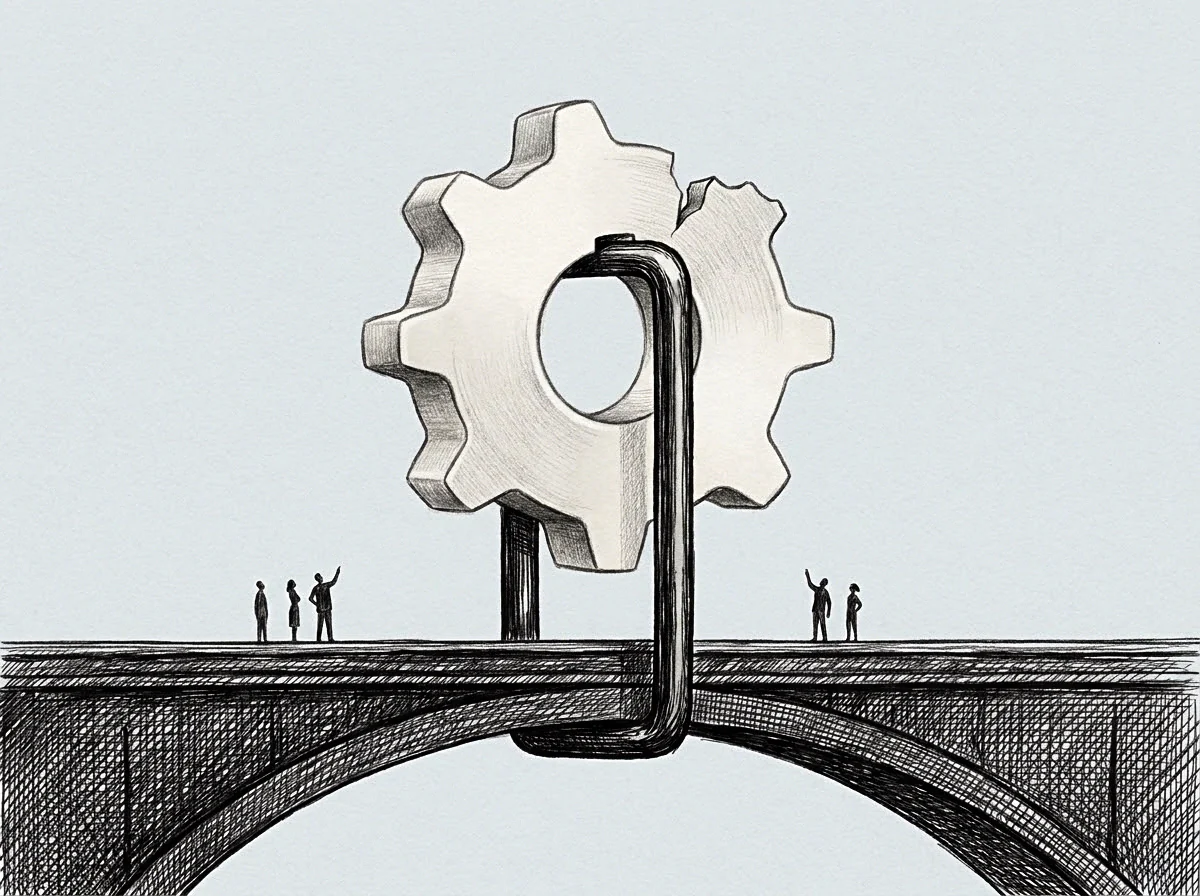
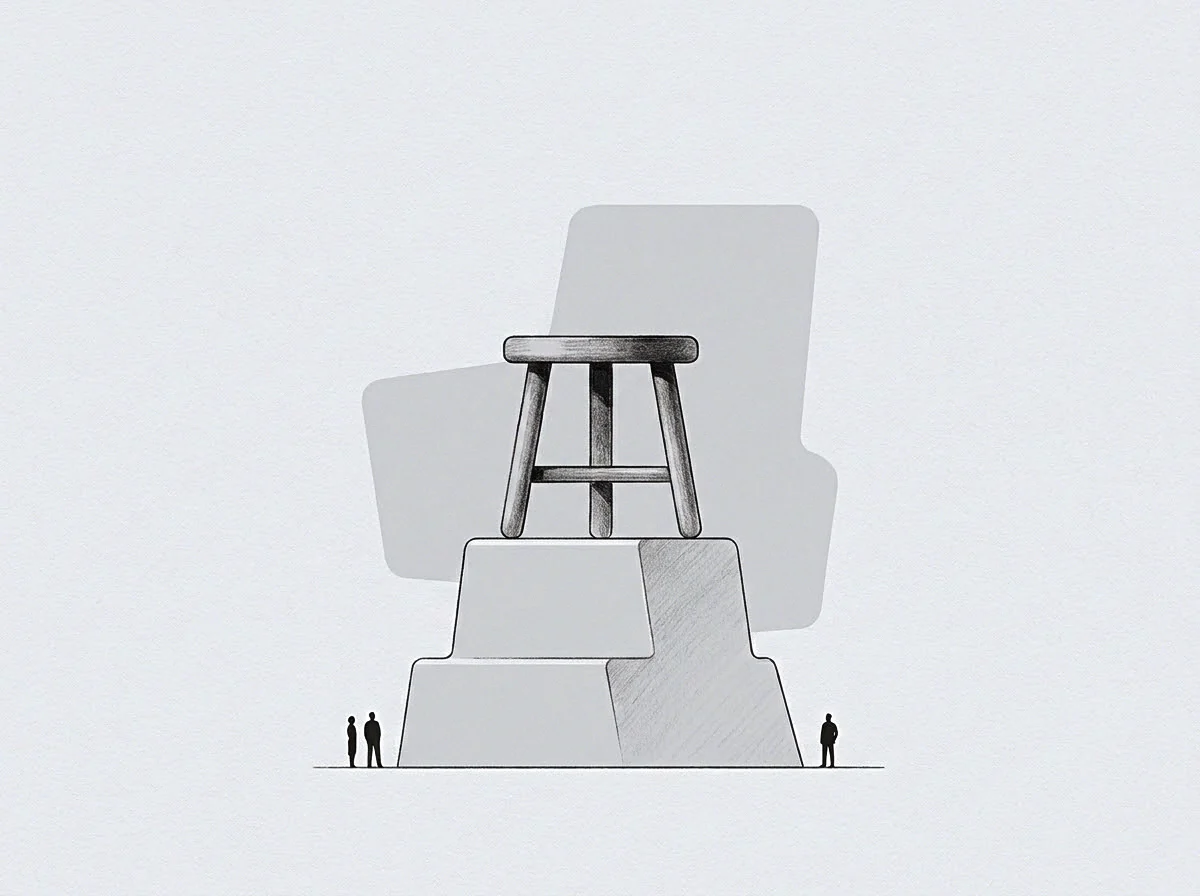
Informal, unwritten evaluations of contributions and perceived imbalances in effort between business partners represent a common source of interpersonal tension in entrepreneurial ventures. In many founding teams, co-founders keep an unstated score of who works longer hours, who brings in more sales, or who took the greatest early financial risk. This unspoken tracking can lead to sudden, severe conflicts if the formal equity split does not match these internal calculations.
It represents a real risk to the stability of the company’s leadership.
Partnership Friction
When team members do not communicate their expectations directly, they build up resentment over time. This unstated score creates a hostile environment that makes collaborative decision-making difficult. It often leads to a sudden breakdown in trust, which can freeze company operations and jeopardize investor relationships.
Addressing these feelings early prevents small grievances from turning into company-ending disputes.
Equity Realignment
To resolve these imbalances, partners must occasionally adjust their formal equity splits or compensation packages. This adjustment aligns the legal structure of the business with the actual contributions of each partner.
Structured Dialogue
Regular, formal reviews allow founders to discuss their contributions openly and adjust their roles as the company grows. This process transforms the unspoken expectations into clear, actionable agreements. It ensures that all partners feel valued and remains committed to the shared goal.