
Managing Financial Performance Covenants During Unexpected Commercial Growth
Unexpected commercial growth strains debt covenant compliance when cash inventory conversion lags behind trailing earnings calculations in senior loan agreements.

Gauge
Commercial growth reshapes a balance sheet well before trailing accounting metrics register the shift. When customer bookings double across a single quarter, payroll, inventory purchasing, and vendor commitments expand on day one. Credit agreements written twelve to twenty-four months earlier judge solvency on historical performance rather than current sales pace, leaving a business with record contract volume running directly into a technical default under its senior facilities.
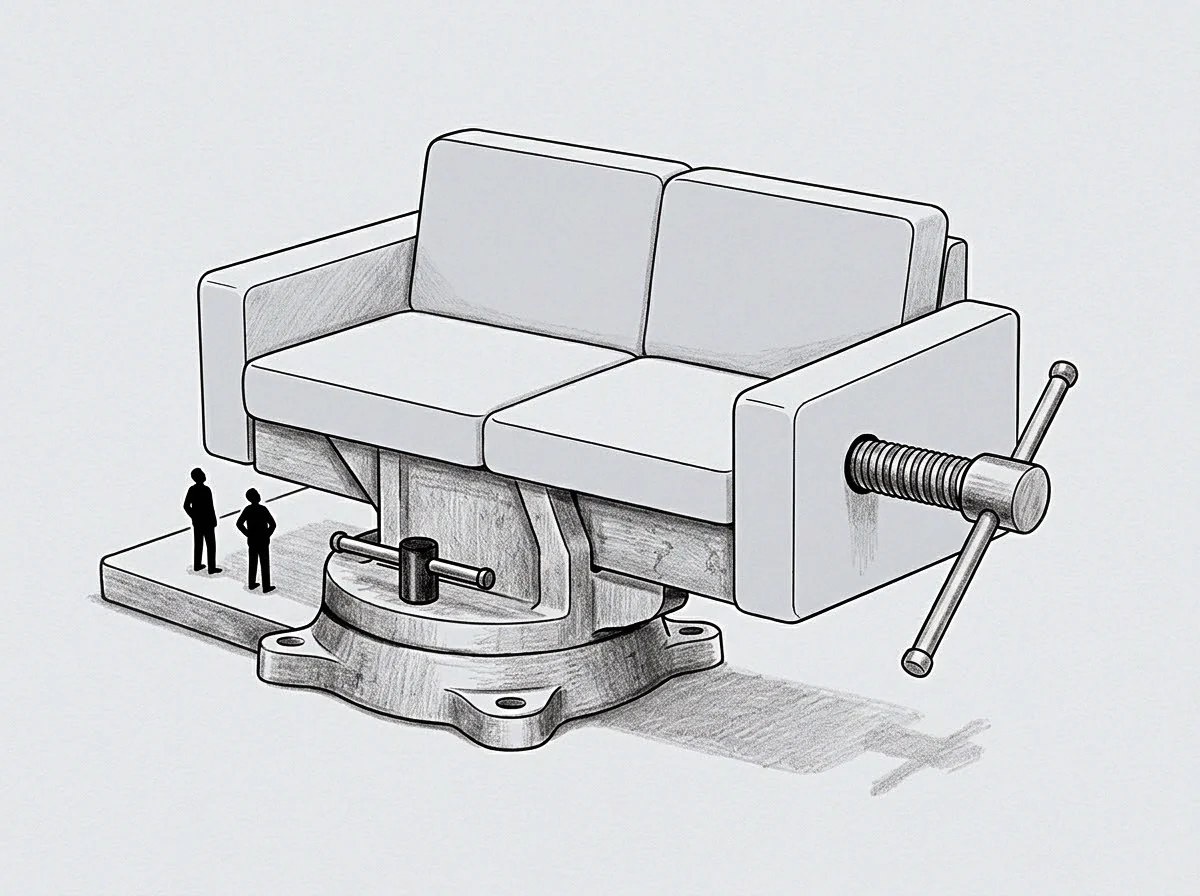
The Trailing EBITDA Accounting Lag
Credit agreements test operational profitability using consolidated net income adjusted for interest, taxes, depreciation, and amortization over a rolling four-quarter period. New contracts closed in the fourth quarter provide only three months of recognized earnings to that historical calculation base, even though the outlays to deliver those accounts hit the balance sheet immediately. Suppliers require payment for raw materials and software infrastructure within thirty days, yet enterprise customers routinely negotiate terms that push cash receipts out sixty to ninety days.
Covenants weigh those historical earnings against debt balances recorded on a single compliance date. Drawing a revolving facility to cover inventory and fulfillment staffing inflates total debt right away. The calculation creates an immediate optic of credit deterioration: the numerator reflects the entire funding requirement of new volume, while the denominator still carries nine months of pre-expansion earnings.

Borrowing Ratios Under Working Capital Strain
Funded debt covenants cap the ratio of net senior debt against historical earnings. Because growth absorbs cash before it generates any, companies routinely pull on short-term revolving credit lines to bridge operations, raising the senior debt reported on quarterly compliance certificates. Standard tests make no concession for the creditworthiness or ultimate value of the fresh accounts receivable generated by that expansion.
Managing corporate liquidity through an expansion phase means watching this threshold friction directly. Teams frequently assume revenue gains will reassure lenders, missing the mechanical lag built into compliance formulas. In a standard loan document without dedicated carve-outs, a dollar borrowed to fulfill high-margin demand counts the same as a dollar borrowed to fund operational losses.
Standard compliance certificates peg default status directly to trailing twelve-month performance, turning operational execution into an unexpected technical breach.

Drain
Cash conversion timing decides whether an expanding company stays inside its debt boundaries. Winning accounts requires upfront liquidity, but maintenance covenants penalize the resulting drop in balance-sheet reserves. If operating cash outflows outpace receipts, liquidity drains away regardless of how strong contract margins look on paper.
| Covenant Metric | Standard Calculation Formula | Expansion Impact Mechanism | Structural Remediation Term |
|---|---|---|---|
| Funded Debt Ratio | Total Senior Debt / Rolling TTM EBITDA | Revolving credit draws inflate senior debt instantly while TTM EBITDA excludes future contract revenue. | Annualized EBITDA adjustments for executed enterprise contracts. |
| Fixed Charge Coverage Ratio | (EBITDA – CapEx – Cash Taxes) / (Debt Principal + Cash Interest) | Unfinanced capital expenditures required for growth reduce numerator cash flow. | Temporary expansion of permitted CapEx baskets during expansion phases. |
| Minimum Consolidated Liquidity | Unrestricted Cash + Available Revolver Capacity | Inventory build and extended customer receivables reduce available cash buffers. | Asset-backed borrowing base facilities linked directly to eligible receivables. |
| Data reflects typical senior credit facility covenant structures under standard corporate debt agreements. | |||

Working Capital Spikes and Cash Conversion Delays
Taking on larger commercial accounts creates an immediate cash deficit. Materials, hardware, and engineering hours must be funded weeks before an invoice is issued. With enterprise accounts demanding payment windows of sixty to ninety days, cash leaves the business long before collections return, shrinking the cash reserve and threatening the minimum liquidity floors specified in credit facilities.
A surge in purchase orders depresses the fixed charge coverage ratio whenever cash interest payments precede receivable collections.
Borrowing base certificates impose strict eligibility rules on accounts receivable. Agreements regularly disqualify balances outstanding beyond ninety days, balances concentrated with one client, and unbilled work accrued under fulfillment milestones. A company can build a substantial ledger of contracted revenue while its usable borrowing capacity contracts under those contractual exclusions.

Fixed Charge Coverage Ratios During Asset Acquisition
Expanding operations demands capital expenditures for production lines, cloud capacity, or distribution space. Lenders track debt service ability through the fixed charge coverage ratio, subtracting unfinanced capital spending from earnings before testing the remaining balance against principal and interest obligations. Every dollar committed to capital equipment for customer fulfillment comes straight out of that numerator.
Credit facilities also impose hard dollar limits through annual capital expenditure baskets calibrated to a steady-state operation. When order volumes jump fifty percent without advance warning, a business can exhaust its full-year spending allowance within six months, triggering a covenant violation no matter how profitable the underlying contracts prove to be.
Breaching fixed capital spending caps without prior lender approval accelerates facility maturities and shifts operating discretion directly to credit committees.

Wedge
Equity holders and senior lenders view rapid commercial growth through opposing incentives. Shareholders see rising bookings as justification for aggressive capital deployment and lower near-term margins. Senior lenders view those same operational shifts as capital depletion, interpreting larger revolver draws and heavier burn rates as credit risks that warrant intervention.

Whose Capital Restores Covenant Compliance During Rapid Expansion?
Addressing a growth-driven breach creates clear friction between management and institutional creditors. Once a covenant trips, credit documents grant lenders explicit remedies: stopping revolver draws, adding default interest margins, or demanding immediate principal repayment. Creditors invoke these rights to insulate their capital against loss, having no equity participation in the upside.
Management often expects lenders to provide informal waivers upon seeing healthy order books. But commercial credit operates under strict internal risk models and underwriting guidelines. Credit committees assess compliance strictly against contractual parameters, treating unanticipated loan draws as balance-sheet exposure that demands remediation regardless of commercial justification.

Equity Cure Provisions and Debt Sinking Terms
Agreements often include equity cure mechanisms allowing shareholders to resolve covenant defaults by injecting new cash into the company. The credit documentation prescribes exactly how that capital may be applied and whether it counts toward covenant tests, making the equity cure a key structural valve during high-growth cycles.
- Historic TTM Reliance excludes newly executed enterprise contracts from quarterly tests, producing covenant pressure during revenue expansion.
- Uncapped Receivable Accumulation ties up credit line capacity while client payment windows remain unhedged on fast-growing accounts.
- CapEx Basket Exhaustion restricts equipment and infrastructure spending required to deliver on booked customer orders.
- Delayed Credit Disclosure leaves lenders little room to maneuver, turning ordinary covenant adjustments into formal credit workouts.
Exercising an equity cure clause without adjusting the underlying debt baseline consumes equity capital without solving the trailing calculation lag.
Standard terms restrict how often and how much equity may be contributed to cure a default. Most facilities permit no more than two cures across any rolling four-quarter window and bar cures in back-to-back quarters. In many structures, injected capital must pay down senior revolver balances immediately rather than count as EBITDA in future calculation periods, preventing the cash from supporting working capital.
Credit risk widens whenever operational commitments scale faster than cash collections arrive to service outstanding obligations.

Paper
Managing credit covenants effectively requires securing written amendments before a reporting period closes. Negotiating a reset depends on financial models that isolate why the projected breach is occurring. Lenders respond more constructively when detailed operational figures confirm that covenant pressure traces to contracted revenue fulfillment rather than fundamental business decline.
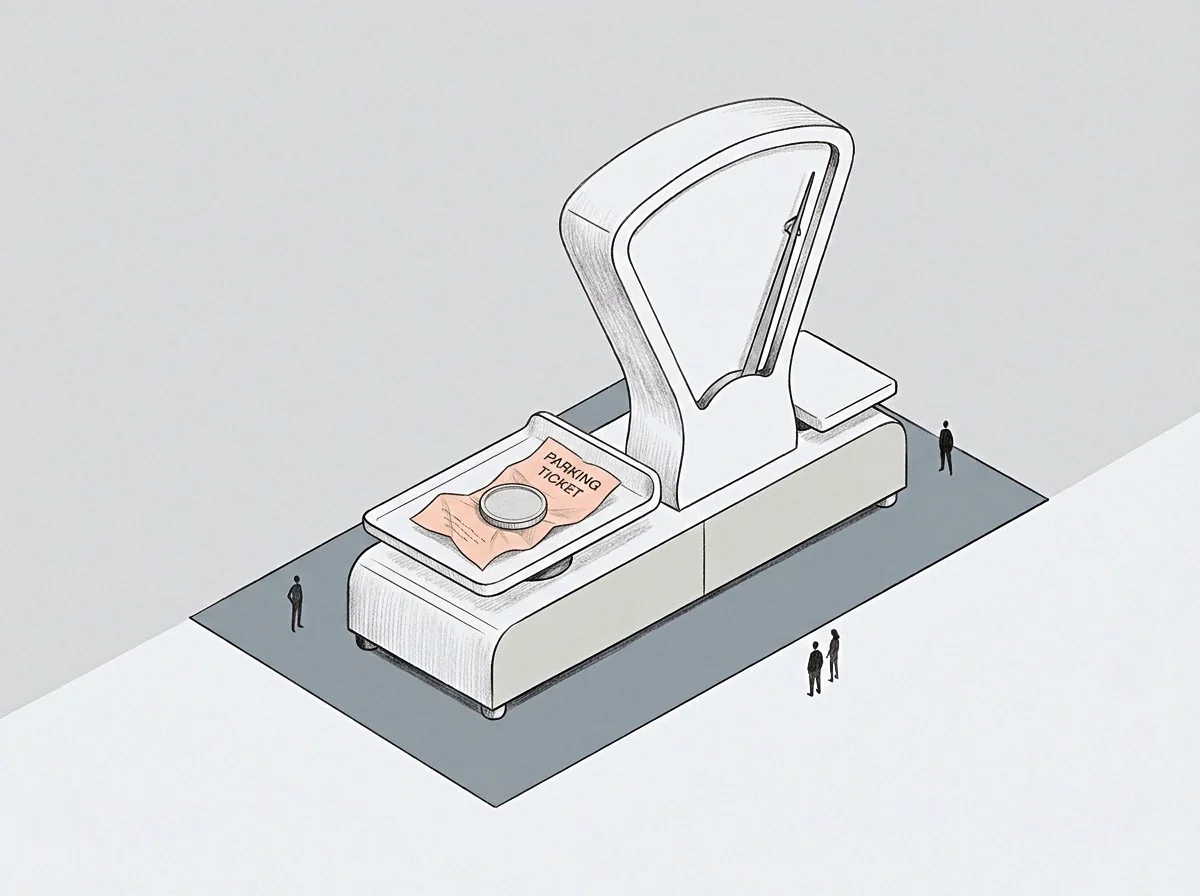
Preemptive Waiver Negotiation Protocols
Starting talks sixty to ninety days ahead of an anticipated breach gives borrowers the widest room to negotiate. Identifying working capital bottlenecks early allows management to hand lenders an organized credit submission containing verified order backlogs, customer billing schedules, and detailed cash forecasts, avoiding the penalties tied to post-close default letters.
- Assemble executed enterprise customer contracts with binding billing schedules and margin profiles.
- Model working capital needs across a rolling twelve-month period under conservative collection assumptions.
- Draft specific amendment requests aimed at raising capital expenditure baskets and introducing growth adjustments to earnings.
- Deliver the credit presentation to loan officers thirty to sixty days before the quarter closes.
- Finalize the amendment documents and pay negotiated consent fees before the compliance certificate deadline.

Constructing Growth-Adjusted Covenant Resets
Amended credit facilities incorporate terms structured to absorb volume growth without creating defaults. Borrowers often negotiate annualized contract value adjustments, allowing a percentage of contracted revenue from signed enterprise accounts to reflect in earnings baselines. That credit bridges the gap between upfront cash outlays and deferred revenue recognition.
Credit amendment requests submitted thirty days before a quarter closes receive lower fee penalties than default waivers requested after reporting delivery.
Other modifications replace flat debt-to-EBITDA ceilings with step-up schedules that widen leverage tolerances during major expansion quarters. Alternatively, borrowers can convert cash-flow lines into asset-based facilities where loan availability expands directly with eligible accounts receivable, substituting rigid liquidity caps with borrowing capacity pegged to actual commercial flow.
Companies providing verified purchase commitments alongside detailed cash flow schedules obtain amendment terms at lower fee levels than borrowers requesting retroactive waivers after delivery deadlines pass.

Anchor
Capital structure planning requires debt facilities that adjust alongside operating volume. Building flexibility into the initial credit agreement eliminates recurring waiver negotiations when orders surge, protecting day-to-day operations while preserving lender underwriting standards.

Structural Debt Facilities Built for Scaled Velocity
Modern credit agreements often employ springing covenant structures that stay dormant while total draws remain below agreed levels. Under these terms, financial maintenance covenants are tested only when facility utilization exceeds thirty or forty percent of total commitments. The company operates without covenant drag during ordinary working capital cycles, while the lender retains downside protection if borrowing spikes.
Incorporating accordion features or asset-backed availability formulas lets facility limits scale alongside eligible collateral. Tying debt availability to verified receivables and inventory allows working capital lines to fund commercial fulfillment directly, eliminating the legal costs and delays of frequent facility amendments.
Whether debt facilities can fully absorb rapid operational expansion without requiring periodic equity injections remains the central friction in high-growth balance-sheet management.