Meaning
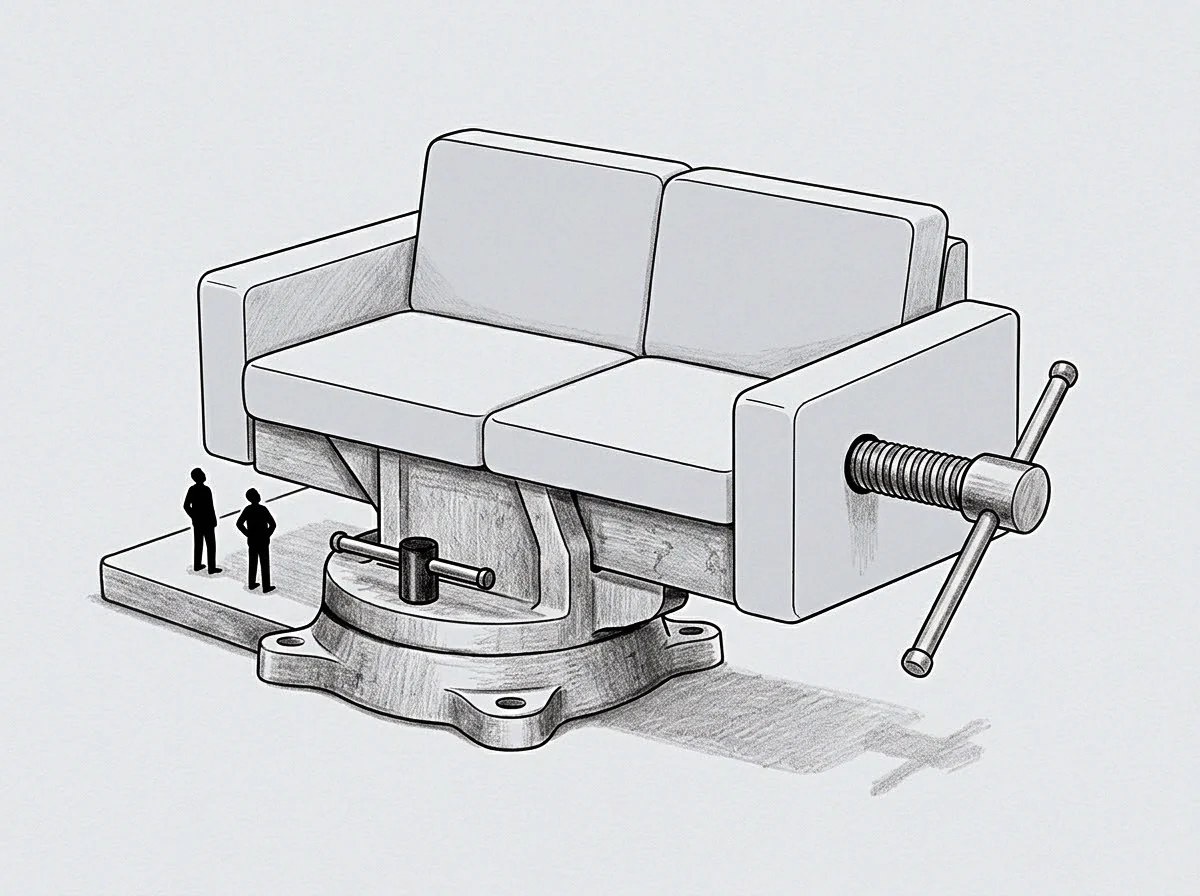
Cash reserves kept aside by a founder to guarantee ongoing personal solvency during corporate downturns constitute a liquidity floor. This capital buffer establishes a minimum boundary beneath which private funds cannot fall without forcing immediate operational triage. Founders negotiate this personal provision during early equity allocations to secure a predictable baseline for survival when revenue streams contract unexpectedly.
The arrangement separates corporate risk from personal destitution by ringfencing specific assets against sudden market failures.
Safety Threshold
Unforeseen liabilities frequently threaten founders who fail to secure sufficient personal reserves before committing equity to a new enterprise. Private funds deplete rapidly when initial market validation stalls and external financing rounds face delays or outright rejection. A properly maintained financial cushion prevents desperate decisions driven by immediate household insolvency rather than strategic necessity.
Creditors and investors often underestimate the personal holding costs incurred by individuals who build companies without adequate fallback provisions.
Capital Isolation
Legal structures governing corporate entities rarely protect founders from the cascading personal debts accumulated during prolonged business failures. Personal assets commingled with operating accounts expose the household to total loss when corporate liabilities pierce standard liability shields. Maintaining strict separation between business capital and household reserves requires deliberate discipline during periods of high revenue growth.
Founders who divert surplus corporate income into protected personal accounts effectively reduce their vulnerability to sudden creditor claims.
Solvency Boundary
Financial survival ultimately depends on maintaining strict discipline regarding the minimum capital reserves required for household continuity. External pressures from cofounders or investors frequently push individuals to redeploy personal reserves back into the failing enterprise. Resisting such demands preserves the essential margin required to exit an unsustainable venture without complete financial ruin.
Personal solvency limits dictate the exact point at which a founder must abandon a failing project to protect dependents from destitution.