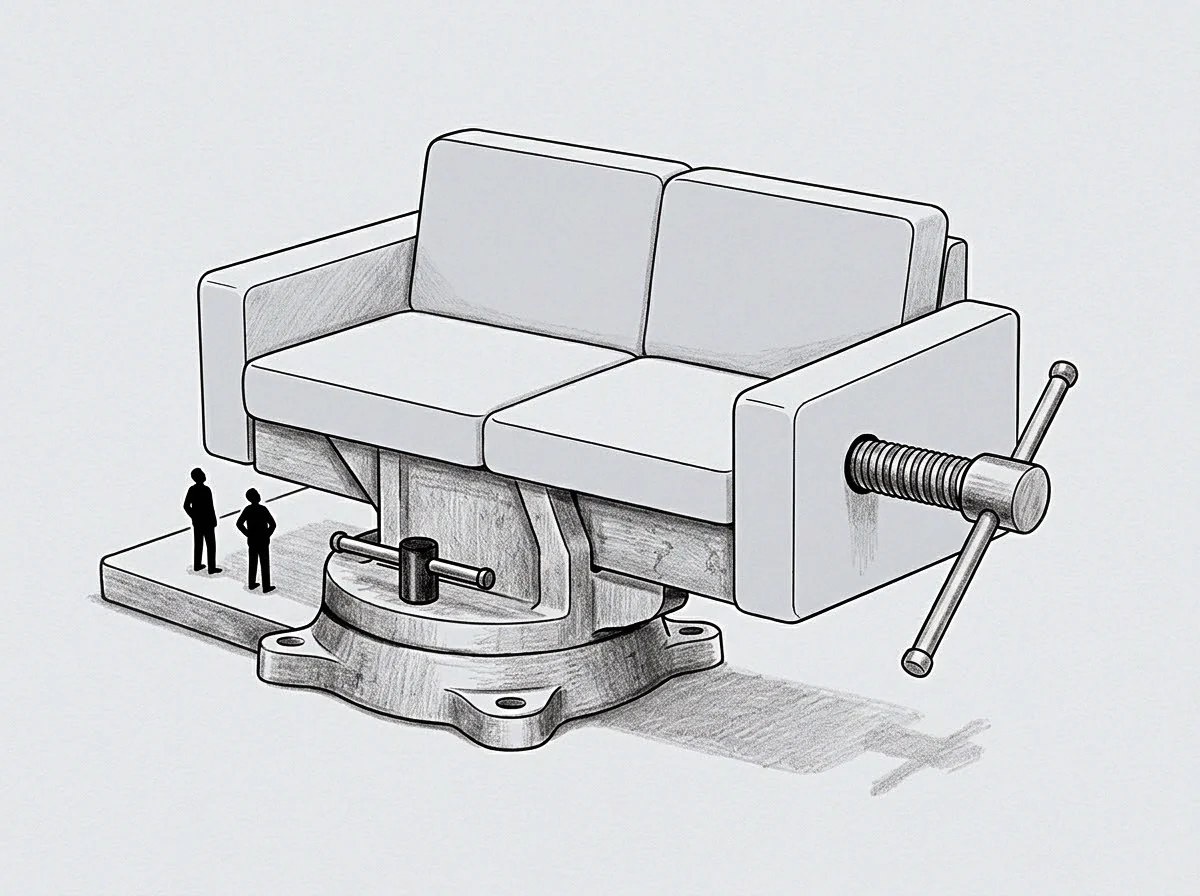
Meaning
Execution of debt covenants and funding drawdowns defines the operational framework of a corporate loan. Understanding credit agreement mechanics helps founders manage the specific conditions under which borrowed funds are released and repaid. These provisions control everything from interest rate calculations to reporting schedules.
They define the boundaries of financial movement.
Operational Routine
Daily administration of debt requires a structured sequence of notices and payments. Under the terms of credit agreement mechanics, the borrower must submit formal requests days before drawing down capital. This sequence requires matching treasury operations to the lender’s clearing deadlines to avoid administrative delays.
A dedicated finance team or treasurer handles these daily interactions with the administrative agent to ensure that all interest periods are correctly selected and rollover notices are delivered on time.
Legal Constraint
Strict compliance remains mandatory to prevent technical defaults. If a firm violates credit agreement mechanics, the lender can accelerate the debt or refuse further funding.
Liquidity Effect
Unrestricted cash balances can shift rapidly depending on how the contract manages sweeps and prepayments. These credit agreement mechanics dictate how excess cash flow must be distributed between debt reduction and corporate cash reserves. Consequently, the operational flexibility of the firm fluctuates based on the strictness of these cash management rules.