
Measuring Initial Drift in Executive Directives
Executive directive drift measures the variance between written mandates and early operational tasks, exposing silent adaptation before resource loss occurs.

Vector
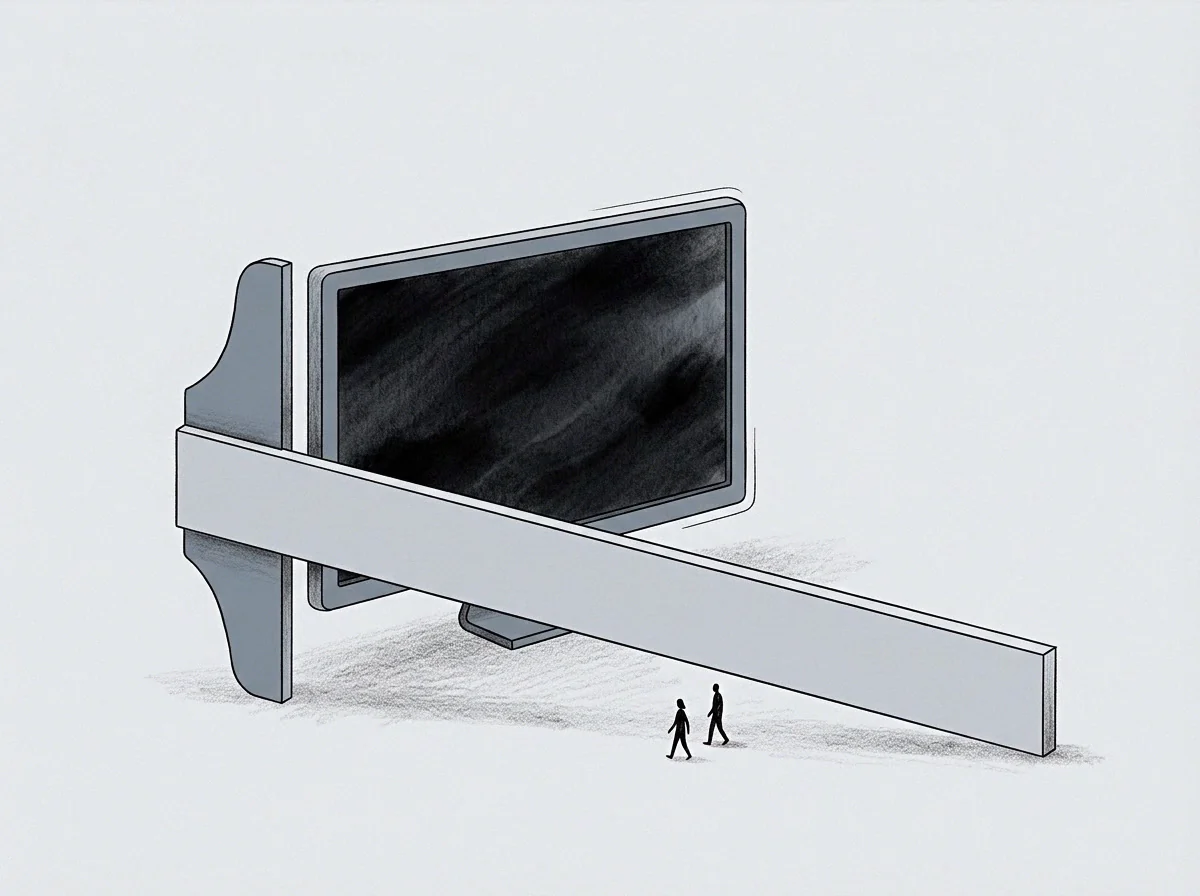
A written executive directive enters an organization as a specific trajectory. When a founder or chief executive issues a memorandum on Monday outlining a shift in product priorities alongside quarterly milestones, the work streams derived from it often show a twelve-degree divergence by Friday afternoon. The written record stays fixed while day-to-day execution shifts speed almost immediately.
Detecting that early drift requires comparing the original text directly against its immediate operational interpretation. Without firm metrics in the mandate, managers tend to fall back on established routines and unspoken personal preferences. This rarely looks like direct pushback; it shows up as modest adjustments to scope or padded schedules that protect team habits from disruption.
Establishing the Directive Baseline
Tracking early drift starts with isolating an objective baseline statement from the chief executive’s directive, focusing on three factors: the objective itself, restricted actions, and the deadline for initial delivery. Without these markers, measurement breaks down because an ambiguous mandate absorbs downstream operational shifts without registering any variance at all.
A written directive establishes a rigid baseline only when initial operational responses are measured against exact terms within seven days of issuance.
The executive team records the baseline in a single central document, cutting out rhetorical preambles and background context. That core text becomes the reference point. As departments translate it onto their own project boards, the system measures the gap between the executive terms and how teams actually allocate engineering, sales, or financial capacity.

Initial Variance in Transmission
The gap usually opens during the first round of departmental briefings. Division leads absorb the memo, weigh it against their local capacity, and restate the instructions to frontline staff. That restatement introduces the primary drift.
A mandate to cancel an unprofitable product line, for instance, frequently gets softened into a temporary pause, protecting headcount while working against executive intent.
Quantifying that initial gap involves reviewing the tasks created across tracking systems in the seven days following the announcement. Wide variance points to an immediate breakdown, showing where managers substituted unstated expectations for the original executive terms. Enforcing a weekly review of preliminary tasks holds operational leads to the baseline before that drift hardens into routine.

Shelf
Directives placed into digital repositories often sit like physical items on a shelf, collecting unspoken interpretations from every manager who handles them. When leadership issues a mandate without setting up active tracking, team leads quietly attach their own caveats, treating management silence as agreement while execution pulls away from the original goal.
These informal modifications form an unstated contract between department heads and their teams. While the chief executive assumes the original written text directs daily activity, actual work follows the modified rules circulating across departmental desks, hiding the drift until scheduled milestones are missed.

Accumulation of Unstated Modifiers
Unspoken caveats quickly change both the pace and direction of an initiative. An instruction to cut customer acquisition spending by twenty percent often runs into quiet resistance from growth leads worried about top-line numbers. In response, a lead might apply the cuts only to minor ad channels while keeping expensive programs funded.
On paper the directive was accepted, but the actual budget allocation contradicts the core constraint.
Drift gathers speed when operational reviews reward sheer activity over adherence to agreed terms. Department heads highlight volume metrics in check-ins to mask how far work has moved from the original brief. Tracking the time elapsed between an announcement and the first recorded departure gives leadership an early indicator before wasted effort compounds.

Diagnostic Metrics for Operational Divergence
Gauging early drift requires indicators sensitive enough to catch baseline departures within days of release. Comparing environments with low drift against those with high drift shows how specific structural practices either preserve stability or invite erosion.
| Metric | Low-Drift Environment | High-Drift Environment | Diagnostic Value |
|---|---|---|---|
| First-Week Task Alignment | Over ninety percent of created tasks reference baseline parameters directly. | Under fifty percent of created tasks reflect original directive wording. | Measures immediate retransmission fidelity across department heads. |
| Budget Realignment Velocity | Resource allocations adjust within three working days of mandate. | Resource allocations remain unchanged after fourteen working days. | Identifies passive operational resistance to executive terms. |
| Clarification Query Ratio | Queries focus on operational constraints and precise metric thresholds. | Queries seek exceptions, deferrals, or scope reductions. | Signals middle management effort to soften directive boundaries. |
| Executive Feedback Latency | Variance reported to executive level within forty-eight hours. | Variance concealed until formal quarterly reporting cycles. | Exposes structural communication barriers and reporting delays. |
Unstated operational adjustments accumulate rapidly in spaces where leadership treats broadcast silence as operational alignment.
Failing to track these early communication gaps produces redundant spending, strategic delays, and lingering ambiguity about decision rights across teams.
Decay
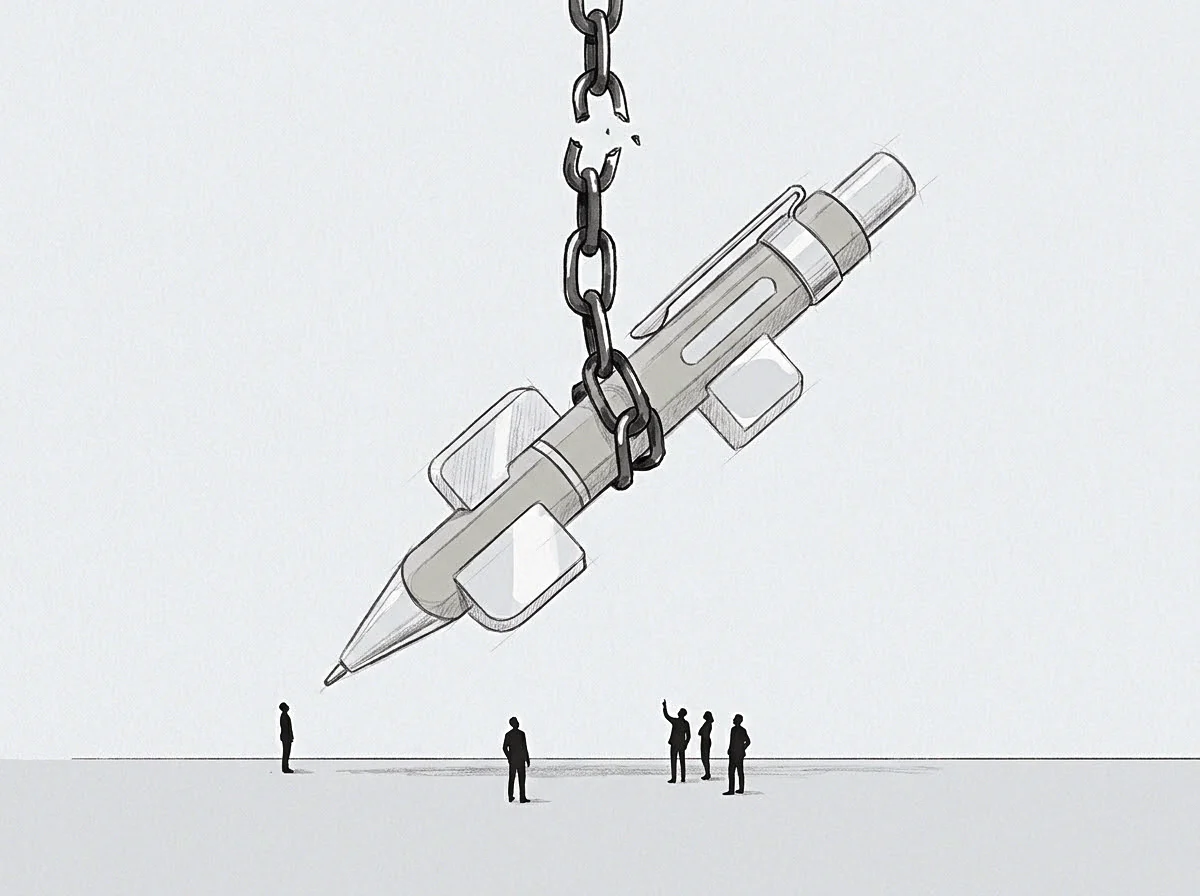
Directive erosion follows a consistent sequence as instructions filter down through management layers, with each tier introducing slight translation errors and passing operational risk further down the chain.
The original document loses force when managers reframe requirements around their team’s immediate capacity. Instead of challenging directives outright, operational leads tend to dilute them gradually by dropping specific operational constraints, stretching delivery dates, and softening numerical targets.

What Causes Directive Alteration in Middle Layers?
Operating between leadership and frontline teams means absorbing friction from both sides. When a directive calls for reprioritization without clearing existing backlogs or adding support, managers protect team stability by trimming the scope of the new work. Execution plans then incorporate compromises that favor daily operational continuity over unfamiliar priorities.
Much of this friction comes from informal commitments managers make to their teams. A lead who has promised workload stability will hesitate to enforce sudden pivots that demand longer hours. Downward communication gets softened accordingly, presenting what was meant to be an urgent operational shift as an aspirational, long-term goal.

The Mechanism of Covert Interpretation
Erosion tends to follow identifiable operational steps, turning clear instructions into vague guidance. Following that progression makes it possible to locate where the directive first began to unravel.
- Baseline Omission occurs when a manager strips out operational limits or fixed delivery dates when passing the mandate down to project leads.
- Contextual Substitution takes place when line managers replace new executive metrics with familiar historical indicators already tracked by their teams.
- Resource Reallocation Resistance emerges when teams leave existing budgets allocated to legacy projects while claiming to take on the new priority.
- Covert Consensus Building concludes the sequence when managers informally agree to defer execution until executive attention turns to another issue.
When operational leads modify execution boundaries without explicit documentation, the directive loses enforceable force across all downstream units.
Working under these diluted guidelines, a manager eventually reports back to leadership that the original mandate was impossible under existing operating constraints.

Margin
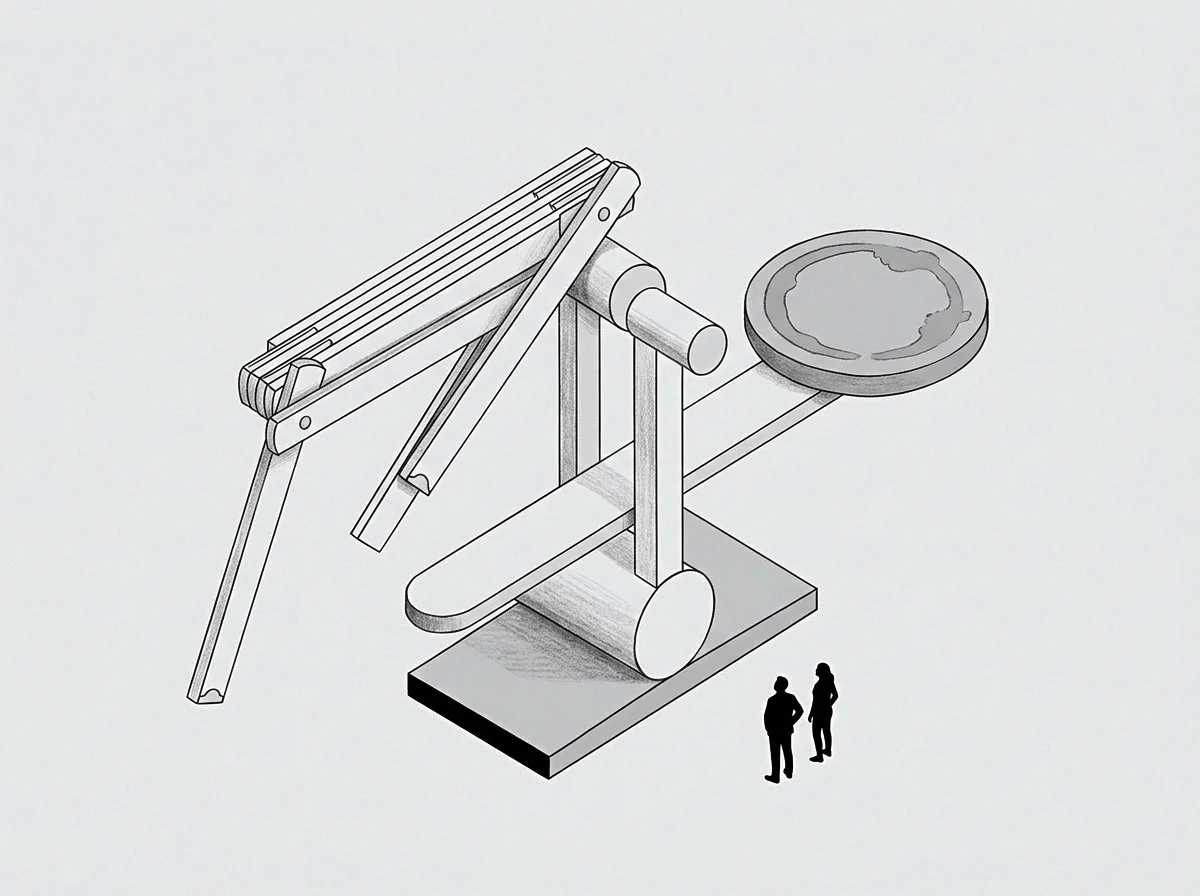
Leadership can manage operational variance by defining clear tolerance boundaries around core directives. Minor variations do not always signal failure; organizations need tactical flexibility in the field as long as strategic aims, spending limits, and milestones remain firm. Defining an acceptable margin is what distinguishes useful adaptation from baseline decay.
Setting explicit limits before rollout protects team capacity and reduces the need for constant executive intervention, keeping the mandate intact as work progresses.
Thresholds of Acceptable Operational Variance
Setting operational margins requires concrete figures. If a directive orders a twenty percent reduction in software infrastructure spending, that is a measurable target. Achieving an eighteen percent reduction by renegotiating alternate vendor contracts falls comfortably within an allowable five percent variance margin.
Postponing those contract talks by six months while running at full spend, however, breaches the boundary and constitutes real drift.
Writing these boundaries directly into the initial directive clarifies what is non-negotiable, preventing teams from treating tactical discretion as license to shift the objective itself. When managers understand where the flexibility ends, they can solve tactical problems without eroding the mandate.

Structural Signals of Mandate Erosion
Detecting early drift requires watching for specific operational signals across departmental management that show when work has moved past acceptable tolerances.
- Scope Expansion Proposals arriving within forty-eight hours of an announcement indicate attempts to attach unrelated departmental projects to the new directive.
- Unilateral Schedule Shifts posted to project tracking boards show that leads have altered timelines without securing prior sign-off.
- Metric Substitution Tactics that swap outcome targets for activity counts suggest teams are retreating toward more comfortable process metrics.
- Reporting Cadence Breaches, such as late status updates, often indicate teams are hiding execution delays from management review.
Operational teams realign work toward historical comfort whenever new directives omit explicit negative boundaries.
Establishing mandatory review checkpoints every seven days keeps execution on track and prevents teams from wandering outside the agreed boundaries.

Anchor
Keeping executive directives stable requires concrete structural controls rather than repetitive verbal reminders. An executive who relies on speeches to maintain alignment burns authority without changing daily execution. Lasting alignment comes from defining enforceable terms, tracking early outputs, and intervening the moment variance shows up.
Setting explicit terms serves as a useful filter at the outset. Stating concrete boundaries right away surfaces unspoken objections before capital and hours are committed. Once managers recognize that leadership is actively comparing output against a written baseline, departmental planning tends to adjust accordingly.

Constructing Terms Before Resource Commitment
A term stated clearly at the beginning takes one sentence and saves weeks of organizational rework. Before committing capital or engineering hours to an initiative, leadership establishes explicit operational terms with execution leads, covering three points: what finished work looks like, the spending ceiling, and the cadence for reporting initial progress.
Once those terms are agreed upon, leadership tracks early task creation directly. If a lead alters the scope within the first week, leadership steps in immediately, addressing the change before unstated compromises take root across frontline teams.
Establishing Early Drift Corrections
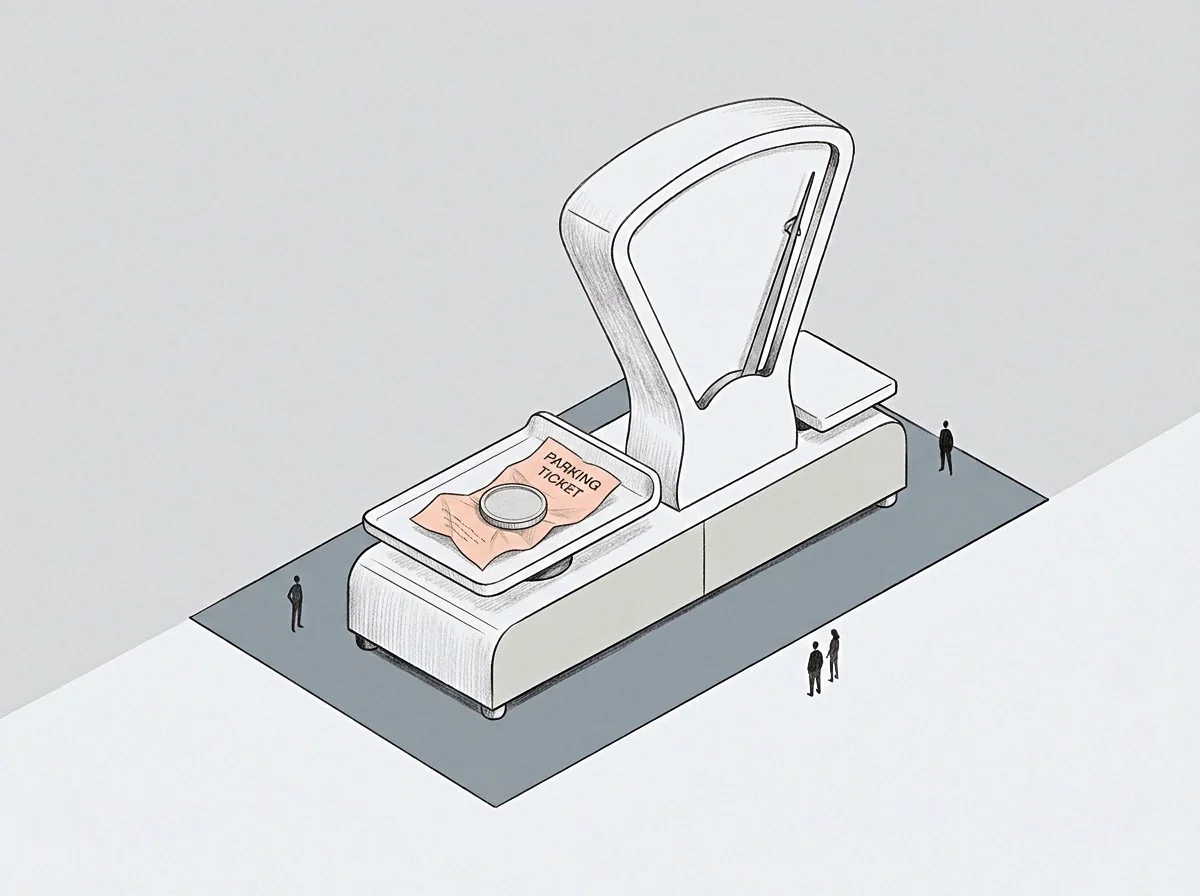
Course correction at this stage requires direct, matter-of-fact feedback focused on the baseline terms. When a department plan shows scope creep, leadership sends it back for revision within twenty-four hours, citing the agreed terms. That quick turnaround demonstrates that directives carry enforceable operational weight.
Handling variance early prevents wider friction later on. By treating drift as an operational deviation rather than an interpersonal dispute, leadership preserves momentum while keeping standards intact, ensuring mandates remain protected against silent renegotiation from rollout to completion.
An executive team that leaves initial drift unchecked quickly finds that the written baseline has lost its practical authority across the organization.