
Measuring Long Term Cumulative Financial Impact Of Unreinforced Operational Instruction Degradation In High Growth Ventures
Unreinforced operational instructions degrade across reporting layers, converting procedural drift into compounding margin loss and balance sheet liabilities.
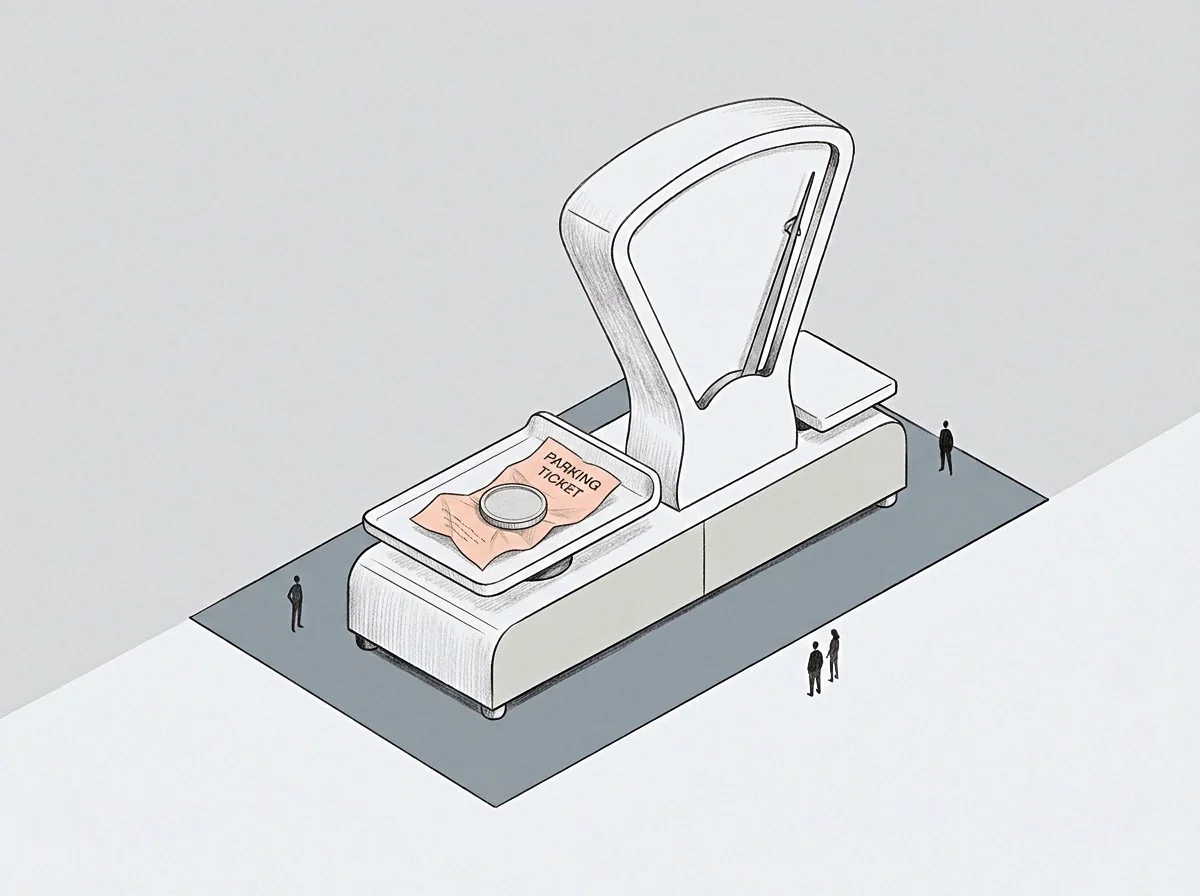
Drift

Transmission Loss Across Operating Layers
A directive issued once without verification falls apart as it moves down reporting lines. At the outset, the standard specifies clear requirements for inventory handling, customer onboarding checks, and supplier invoice reconciliation. Once founders step back from daily oversight, the next layer of management preserves roughly eighty percent of that standard.
Down at the third layer, procedural fidelity drops below fifty percent as informal shortcuts replace the original specifications. This erosion happens without active resistance: staff invent workarounds to maintain throughput, dropping checks that look redundant during rapid growth.
Rapid topline growth conceals these deviations. Surging sales mask unit-level inefficiencies, recurring support rework, and higher return rates. Operating teams point to revenue expansion as evidence of sound execution, confusing raw volume with operational stability.
A directive stated without continuous inspection decays into an informal suggestion as headcount expands.
The breakdown accelerates when headcount doubles within a single financial year. New hires pick up routines by watching peers rather than consulting validated documentation, compounding variations across cohorts. The gap between written standard operating procedures and daily floor work widens quietly.
Hitting weekly dispatch targets overrides procedural compliance, and leadership only catches the drift once billing discrepancies, supplier chargebacks, and contract disputes reach executive agendas.
Operational standards erode at the exact speed of delegation without inspection.

Room

Physical Separation And Oversight Dissolution
Observational control vanishes once work moves out of a shared space into distributed warehouses, regional hubs, and remote support desks. In early ventures, physical proximity provides natural oversight: an operator overhears customer onboarding calls, checks outbound shipments firsthand, and steps in the moment an analyst skips compliance steps. Physical separation eliminates that immediate feedback loop.
Managers working away from daily operations end up relying on lagging status dashboards. Aggregated metrics summarize overall volume while hiding procedural omissions: support reps resolve tickets quickly by issuing unvetted customer refunds, maintaining resolution speed while leaking capital, and fulfillment teams skip packing security protocols to hit hourly dispatch quotas, generating inventory shrink that surfaces months later during annual audits.
Operational divergence compounds inside the distance between where policy is drafted and where physical tasks occur.

When Procedural Decay Converts To Direct Capital Destruction?
Financial losses mount when informal deviations settle into routine team habits. When a customer success group is told informally to focus on retention, reps begin offering structural discounts without margin authorization. Leaving that single practice unchecked builds up substantial financial exposure over four fiscal quarters.
An uncorrected deviation sets a lasting precedent across the entire customer base.
- Unvetted concession volume grows when account managers sacrifice margin preservation to hit renewal quotas on schedule.
- Documentation slippage multiplies billing disputes, stalling cash collection cycles by thirty to ninety days per enterprise account.
- Omitted quality gates drive up warranty liabilities that quickly erase gross margin gains from higher shipment volumes.
Failing to reinforce standard operating procedures forces capital reserves to absorb predictable operational mistakes.

Defect

Cumulative Ledger Degradation
Unchecked procedural drift eventually hits operating cash flows directly. While the financial model assumes stable gross margins, actual performance shows persistent margin compression. Finance teams routinely attribute the variance to market pressure or customer acquisition costs, when the underlying cause is simply compounding operational error.
| Operating Stage | Compliance Retention Rate | Primary Financial Defect | Gross Margin Reduction |
|---|---|---|---|
| Quarter 1 To Quarter 2 | 88 Percent | Uncollected invoice add-ons and minor shipping rework | 1.2 Percent |
| Quarter 3 To Quarter 4 | 67 Percent | Unauthorized client discounts and inventory reconciliation variances | 3.8 Percent |
| Quarter 5 To Quarter 6 | 49 Percent | Escalated customer churn, settlement write-offs, and compliance penalties | 7.4 Percent |
| Quarter 7 To Quarter 8 | 34 Percent | Full process failure requiring external restructuring and workforce retooling | 12.1 Percent |
Rework drains engineering and support capacity. Experienced staff spend working hours fixing avoidable fulfillment mistakes instead of building expansion assets. Operational debt accumulates steadily, and every dollar lost to preventable rework burns through runway meant for growth initiatives.
Fixing an entrenched procedural defect costs ten times more than building automated verification checks into the initial rollout.
Remediating systemic procedural error drains capital faster than building automated compliance gates.
Employees treat the degraded workflow as normal because leadership tolerated deviations without intervention across two operating years.
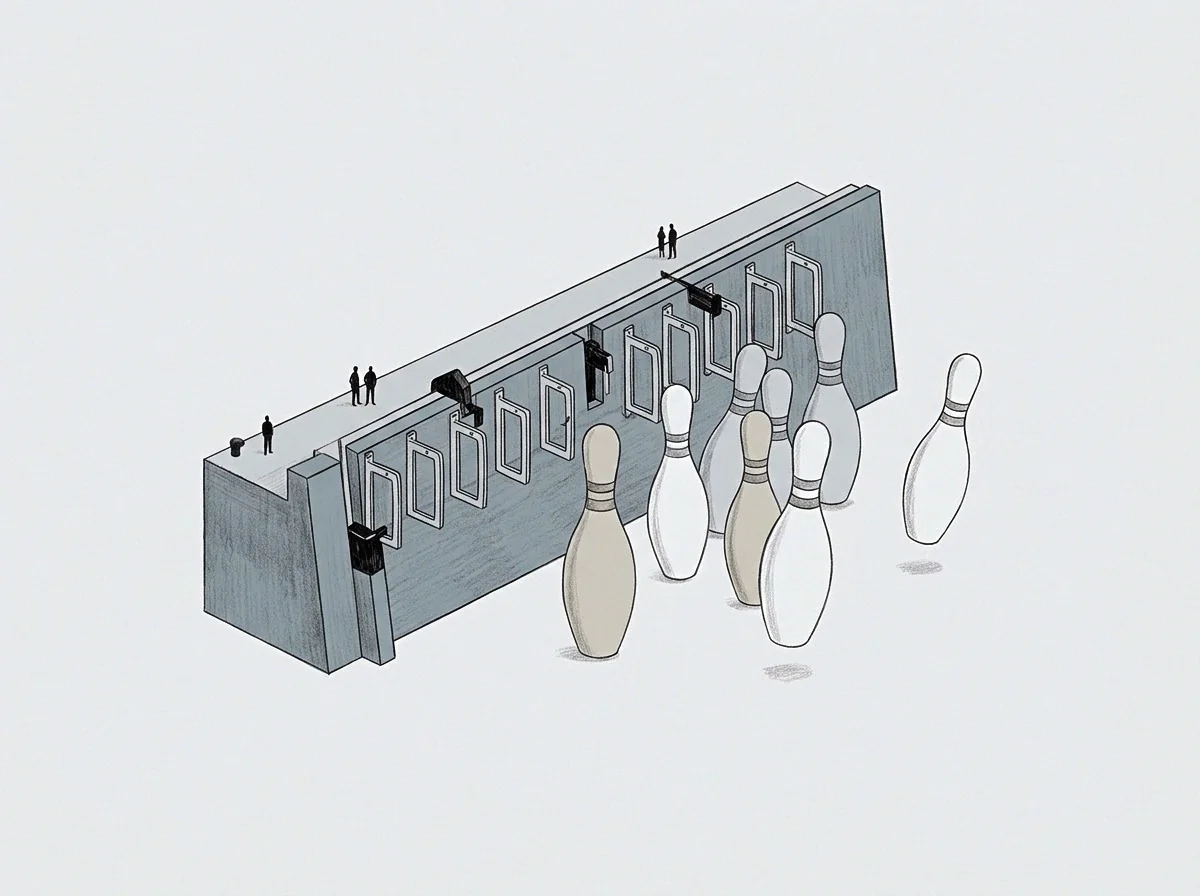
Toll
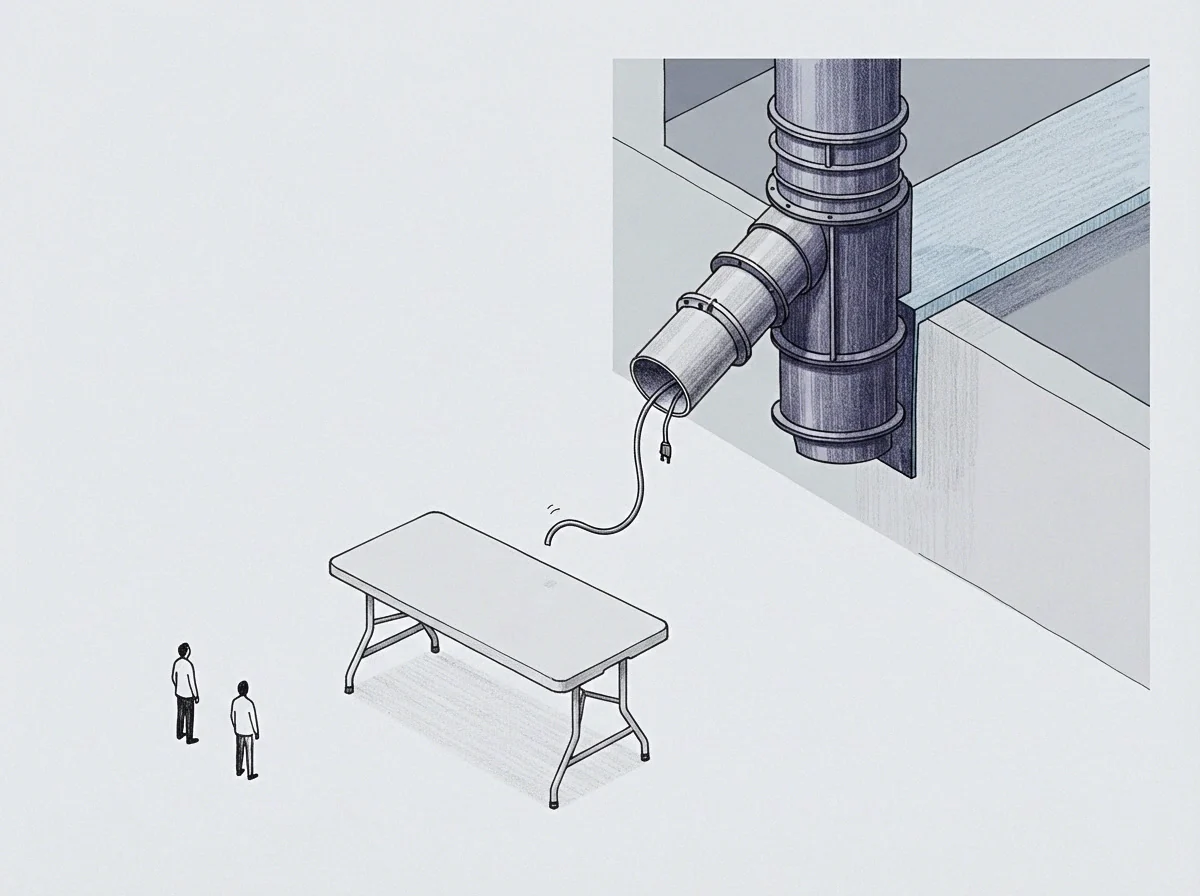
Structural Remediation And Enterprise Valuation Impact
Unchecked procedural decay damages enterprise valuations during private equity rounds and acquisition reviews. Buyers spot operational fragility in volatile margins, higher refund rates, and irregular unit economics. Quality-of-earnings reviews surface unrecorded liabilities left behind by sloppy contract administration and weak compliance documentation, prompting buyers to raise discount rates accordingly.
Reversing accumulated drift requires structural fixes. Operators introduce explicit covenants linking process compliance directly to department budgets and compensation. Leadership sets up programmatic spot-checks, automated sampling audits, and clear lines of responsibility across every operating level.
Directives without enforcement produce operational fiction.
- Systematic audit implementation sets up weekly random sampling across completed workflows to catch procedural drift early.
- Automated gate validation halts customer transactions and dispatches whenever required compliance fields are missing.
- Direct accountability covenants tie performance incentives to process compliance rather than raw output volume alone.
Mandating quarterly compliance reviews by contract protects operating margins, cutting off informal shortcuts before the financial damage reaches the corporate balance sheet.