Meaning
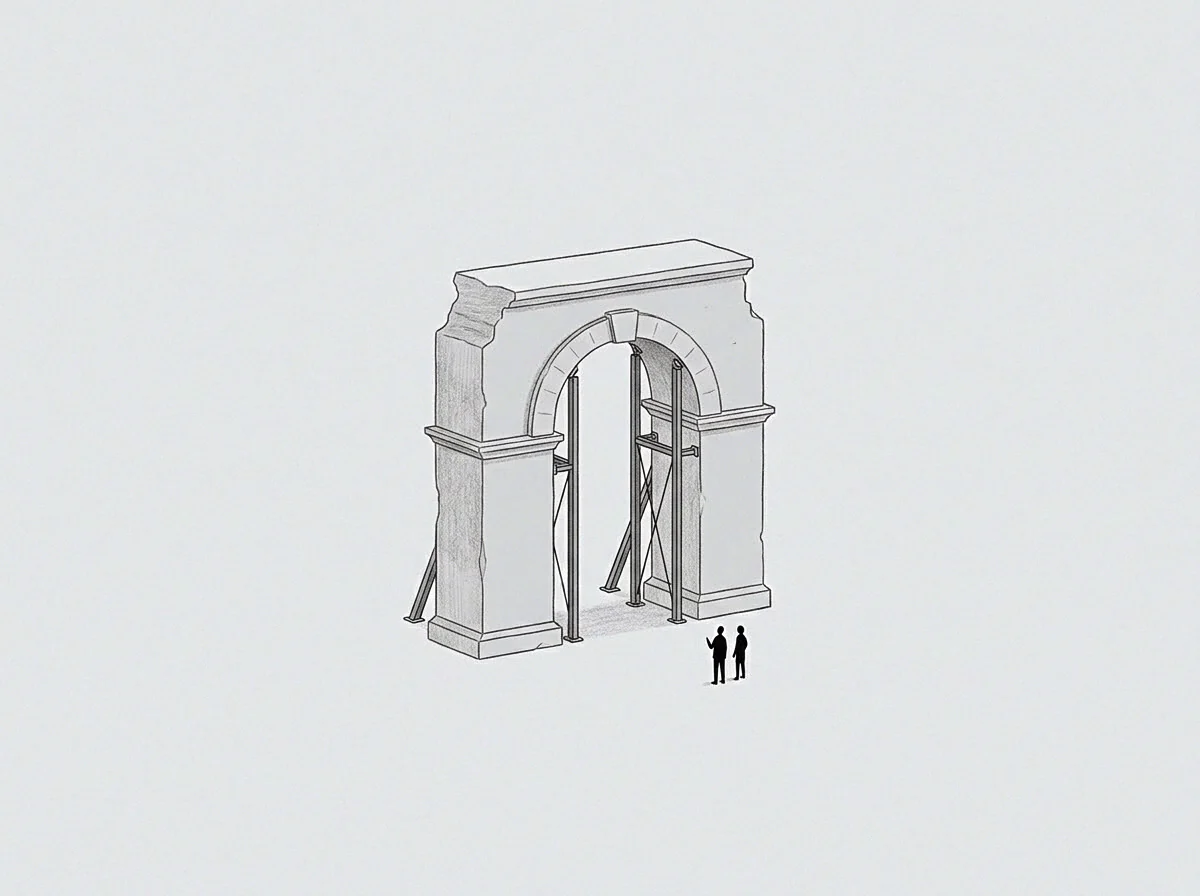
Gradual erosion of process standards occurs when the practical execution of a task drifts away from the documented requirements over time. This phenomenon describes how shortcuts and memory lapses slowly replace the formal steps of procedural decay. The degradation continues until a major error forces a reset or a new standard is established.
Erosion Driver
Familiarity with a task leads people to skip steps they perceive as redundant or unnecessary. In an environment where procedural decay is present, the focus shifts from doing the work correctly to doing the work quickly. This change in priority happens at the individual level before it spreads to the team.
Maintenance Requirement
Regular audits and retraining sessions are the only ways to prevent the degradation of standards. Without active intervention, procedural decay will inevitably reduce the reliability of a system. The energy required to maintain a process is a constant cost that the organization must pay to avoid failure.
This investment in oversight ensures that the original safety and quality checks remain in place.
Failure Point
Critical boundaries are crossed when the skipped steps are the ones that prevent catastrophic errors. The danger of procedural decay is that the system appears to function normally while the margin of safety is being eaten away. The drift only stops when a breakdown forces a return to the original rules.