
Quantifying Systemic Drift When Operational Instructions Lack Secondary Reinforcement
Systemic drift quantifies the exponential degradation of written operational instructions when primary directives lack structural secondary reinforcement loops.

Decay
An engineer pulls up a repository entry written six months ago detailing a mandatory validation step required before production modifications or financial approvals go out. Running that secondary check added four minutes to each transaction. With no secondary verification logging whether the step actually ran, operators began skipping it during high-volume windows to hit immediate turnaround targets.
Within twelve weeks, dropping the verification was standard procedure across the entire engineering cohort. The primary instruction remained fixed in official documentation while daily execution shifted entirely away from the recorded baseline.

Initial Operational Baseline Variance
Systemic performance degrades along predictable curves when primary directives lack secondary reinforcement mechanisms. In organizational research, an operational instruction functions as an initial positional anchor. Without ongoing compliance checks, peer verification, automated structural gates, or explicit relational contracts, human execution defaults toward individual path minimization.
Operators adjust execution speed to reduce personal task expenditure, assuming that unmonitored instructions reflect low organizational priority.
The distance between recorded operational rules and daily execution expands continuously over time. Measurement of this expansion reveals that procedural variance follows a non-linear decay trajectory. During the first thirty days post-issuance, adherence remains elevated due to recent verbal emphasis and temporal proximity to the directive.
By day sixty, unreinforced steps experience a thirty to forty percent drop in execution fidelity. By day ninety, absent secondary checks or explicit relational consequences, execution fidelity drops below twenty percent, leaving only those actions that directly facilitate immediate output completion.
Written instructions without structural feedback revert to local operational convenience within ninety days.

Primary Directives Standing in Isolation
A written rule stated once without a secondary feedback loop creates a structural vacuum. Founders and operational directors frequently assume that formal documentation guarantees persistent compliance. The psychological contract literature demonstrates that employees evaluate operational priorities based on observable reinforcement rather than written policy.
When leadership monitors final output metrics while omitting verification of intermediate procedural steps, operators correctly identify intermediate steps as optional operational overhead.
Consider an operational arrangement where two technical co-founders establish a mandatory code review policy requiring two distinct peer sign-offs before deployment. The founders write the rule into the internal wiki during company formation. They create no automated pipeline blocking unreviewed commits and schedule no monthly audit of pull request metadata.
Assume the firm expands to twelve engineers over eighteen months, handling three thousand transactions daily. In this arrangement, eighty-four percent of deployments bypass the second sign-off within six months, because engineering throughput is evaluated weekly while code review compliance is never audited. The primary directive survives on paper while vanishing from daily operations.
Writing an automated log inspection clause into the operating agreement turns non-compliance from an invisible habit into an immediate breach of terms.

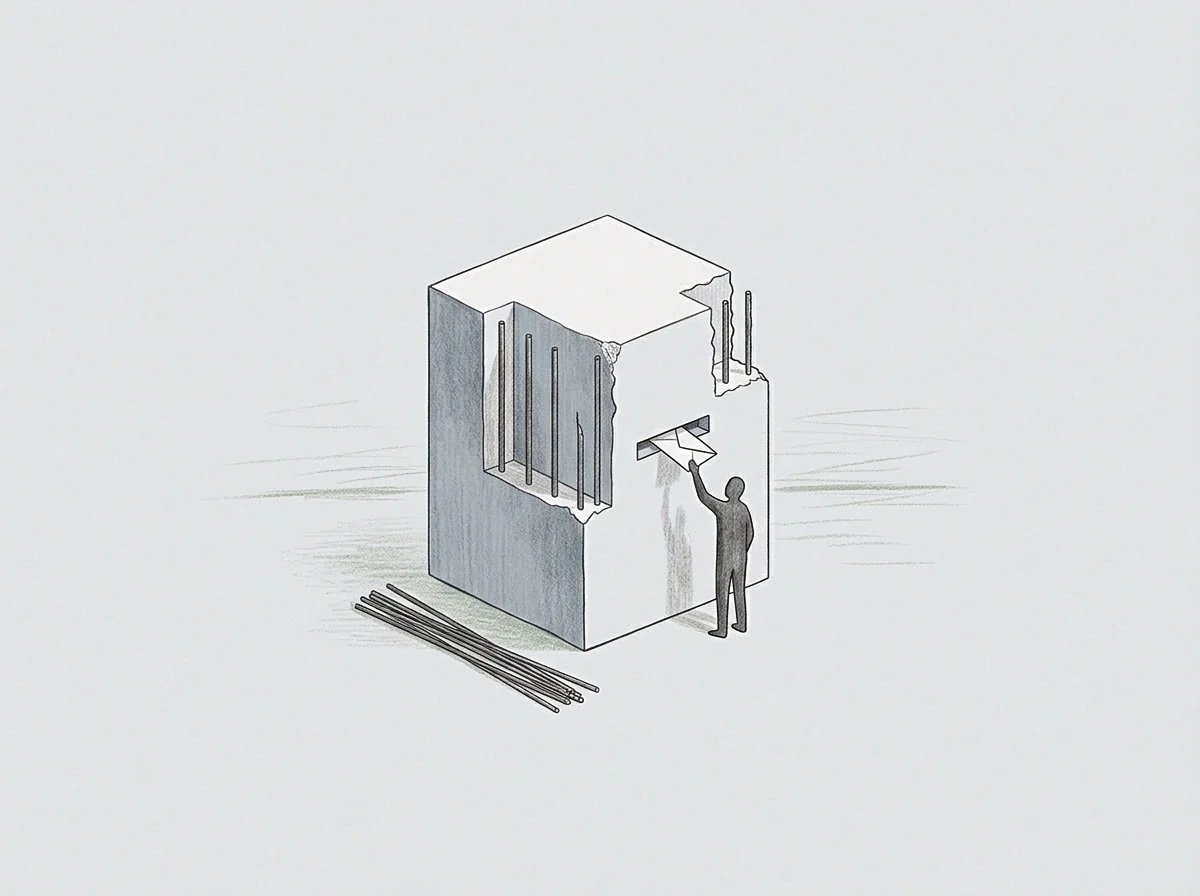
Wall
Physical structural barriers prevent operational drift far more effectively than repeated verbal reminders. When an organization relies on memory or goodwill to enforce operational instructions, procedural atrophy occurs rapidly. A secondary reinforcement mechanism acts as a physical wall, forcing execution through defined channels before downstream processes can initiate.
Without these structural stops, individual discretionary choices systematically erode procedural consistency.
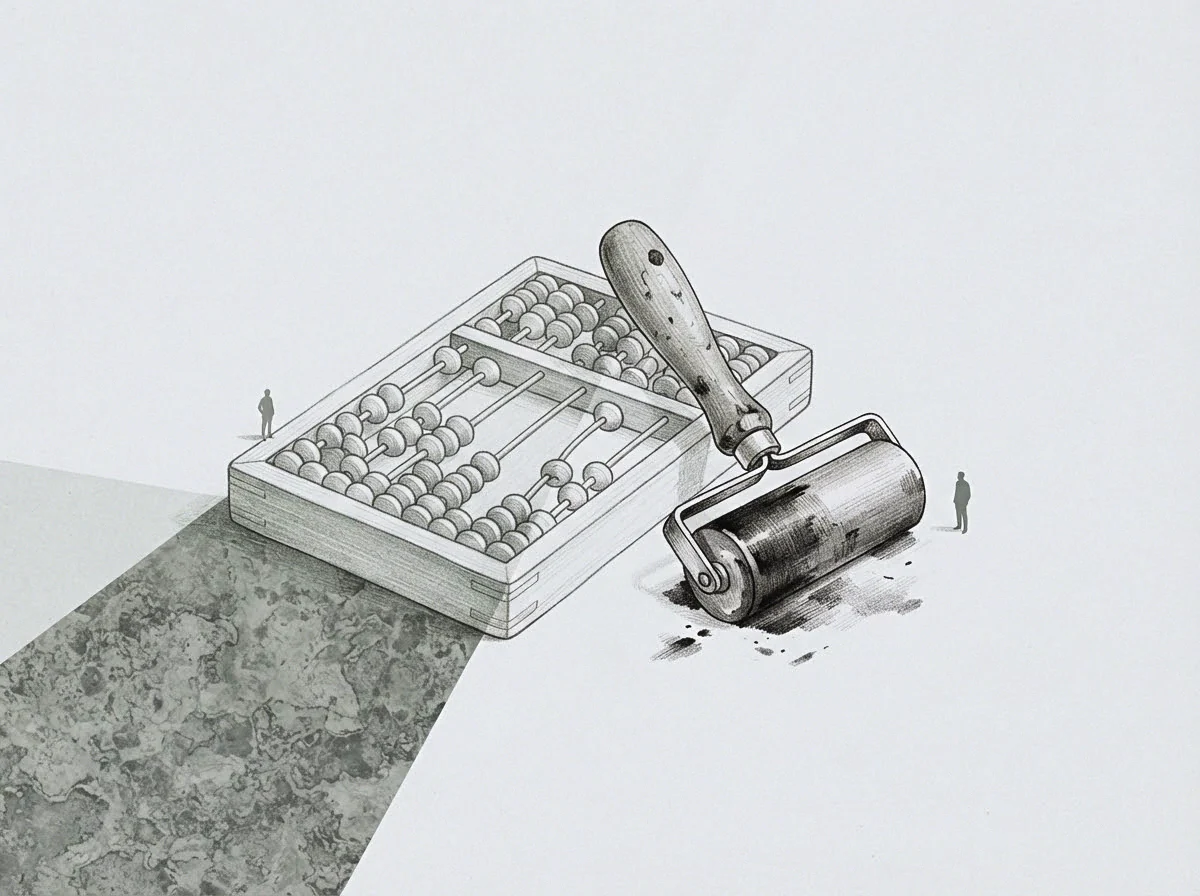
Structural Friction Against Procedural Atrophy
Operational instructions carry zero structural weight unless backed by secondary confirmation mechanisms. Reinforcement exists in two distinct forms: passive verification loops and active friction barriers. Passive loops include automated logging, weekly metric audits, and peer inspection sampling.
Active friction barriers include software gates that physically prevent deployment without multi-party cryptographic authorization, or escrow release mechanisms tied to verifiable proof of work completion.
When secondary friction is absent, operational drift accelerates under load. Operators under time pressure select shortcuts that maximize immediate throughput, transferring systemic risk into invisible operational debt. The drift remains hidden until a critical system failure, regulatory audit, or financial discrepancy occurs.
At that point, leadership discovers that published operational instructions were abandoned months prior.
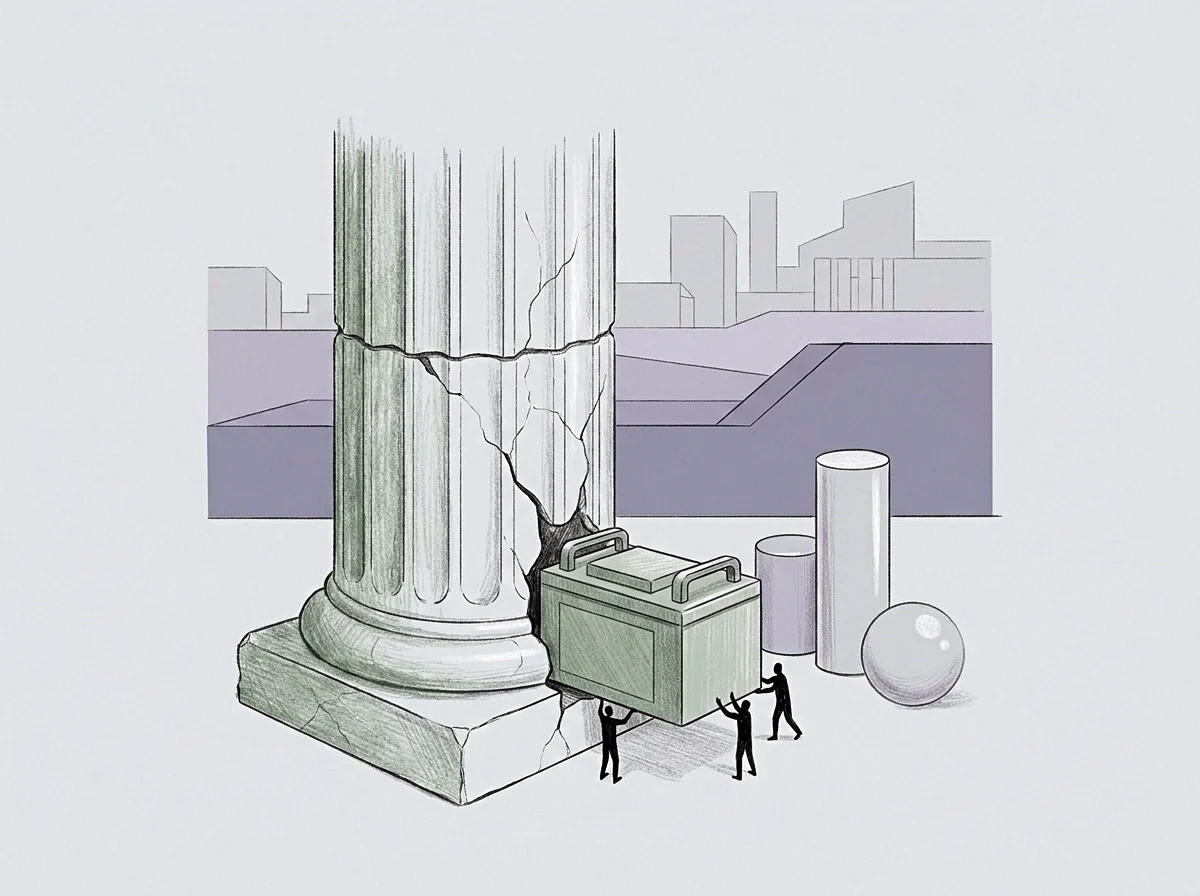
Why Does Drift Accelerate When Audit Loops Fail?
Audit gaps remove the feedback signals necessary to maintain procedural fidelity. When an operator omits a prescribed verification step and experiences no negative operational outcome, the cognitive perception of risk attached to that step decreases immediately. Over repeated iterations, the omission transforms from a conscious shortcut into an ingrained habit, which is subsequently taught to new incoming team members as standard operating practice.
Tracking this drift requires measuring procedural variance against the frequency of audit interventions. The operational profiles observed across contrasting reinforcement structures in high-transaction technical and financial environments break down as follows.
| Operational Dimension | Unreinforced Primary Directive | Secondary Verification Architecture |
|---|---|---|
| Compliance Latency Detection | 90 to 180 Days (Post-Failure) | 1 to 7 Days (Real-Time Audit) |
| Operator Discretion Range | High (Unbounded Modification) | Low (Bounded by Structural Gates) |
| Quarterly Procedural Variance Rate | 65% to 85% Degradation | 2% to 5% Degradation |
| Compounding Operational Debt | Exponential Cumulative Risk | Linear Predictable Maintenance |
| Relational Remediation Cost | High (Conflict Over Blame) | Zero (Clear Stated Terms) |
Local optimization accelerates procedural drift. An operator who modifies an instruction to save six minutes per transaction generates localized efficiency while introducing unmonitored systemic tail risk. If management evaluates only localized throughput, the operator receives positive feedback for violating procedural integrity.
The system rewards the exact drift that eventually causes systemic failure.
Systemic variance accumulates exponentially when individual workarounds produce short-term speed gains without immediate system penalties.
The speed gained by bypassing an unmonitored verification step is paid back later in emergency remediation hours.
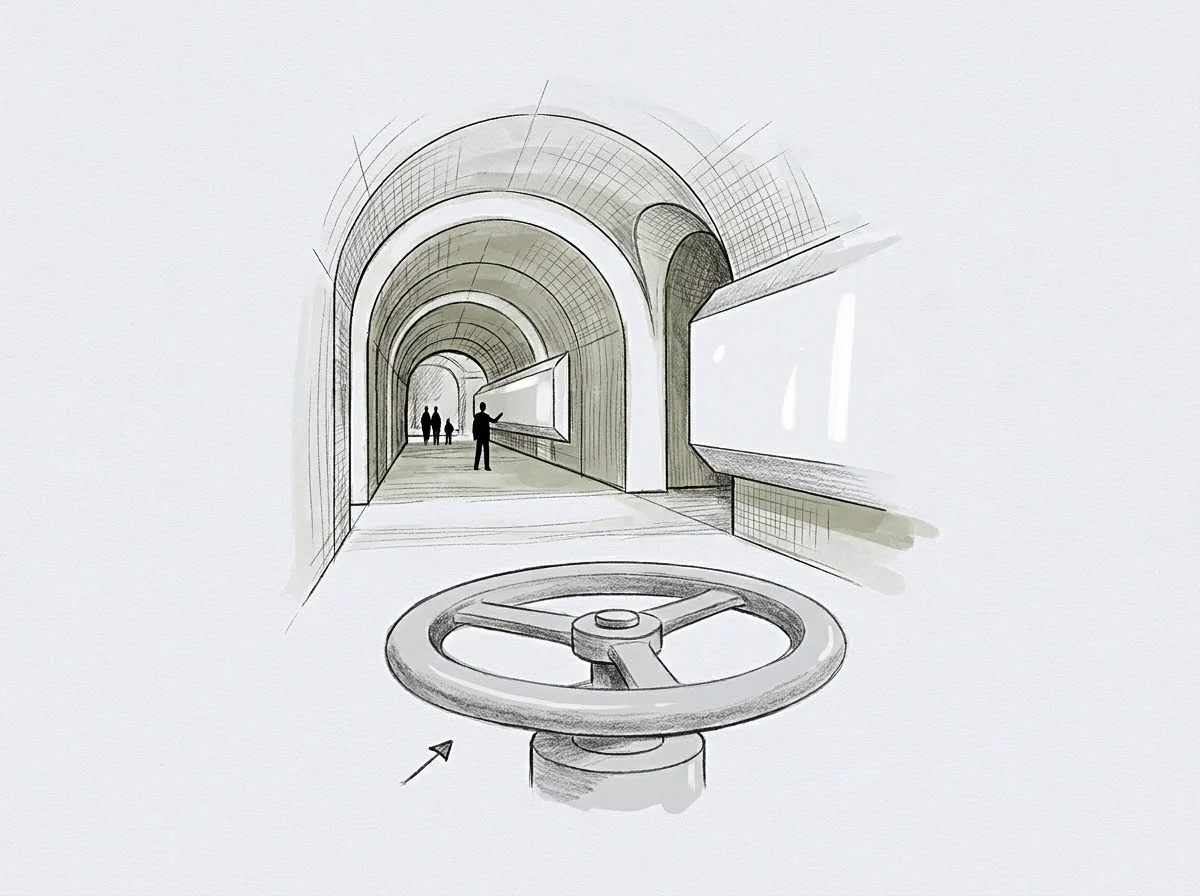
Index
Calculating the precise rate of operational instruction degradation requires measuring three core variables across time: initial baseline compliance, secondary audit frequency, and operator discretionary scope. The resulting metric, defined as the Systemic Drift Index, provides an objective measure of procedural decay. Higher index values correlate directly with elevated transaction error rates and sudden operational failures under peak load conditions.

Mathematical Formulation of Instruction Decay
The mathematical representation of systemic drift relies on tracking procedural steps completed versus steps omitted over discrete operational intervals. Let compliance rate represent the ratio of fully verified executions to total execution requests. When secondary verification frequency approaches zero, compliance follows a negative exponential curve modeled by the decay coefficient of the specific operational environment.
High-complexity environments experience faster decay rates than low-complexity environments due to cognitive load constraints on operators.
In an environment with zero secondary enforcement, the decay coefficient increases proportionally with team scale and task velocity. Stating a directive once during onboarding yields a compliance half-life of less than forty-five days in scaling venture environments. Measuring this rate requires regular sampling of operational outputs against written operational specifications.
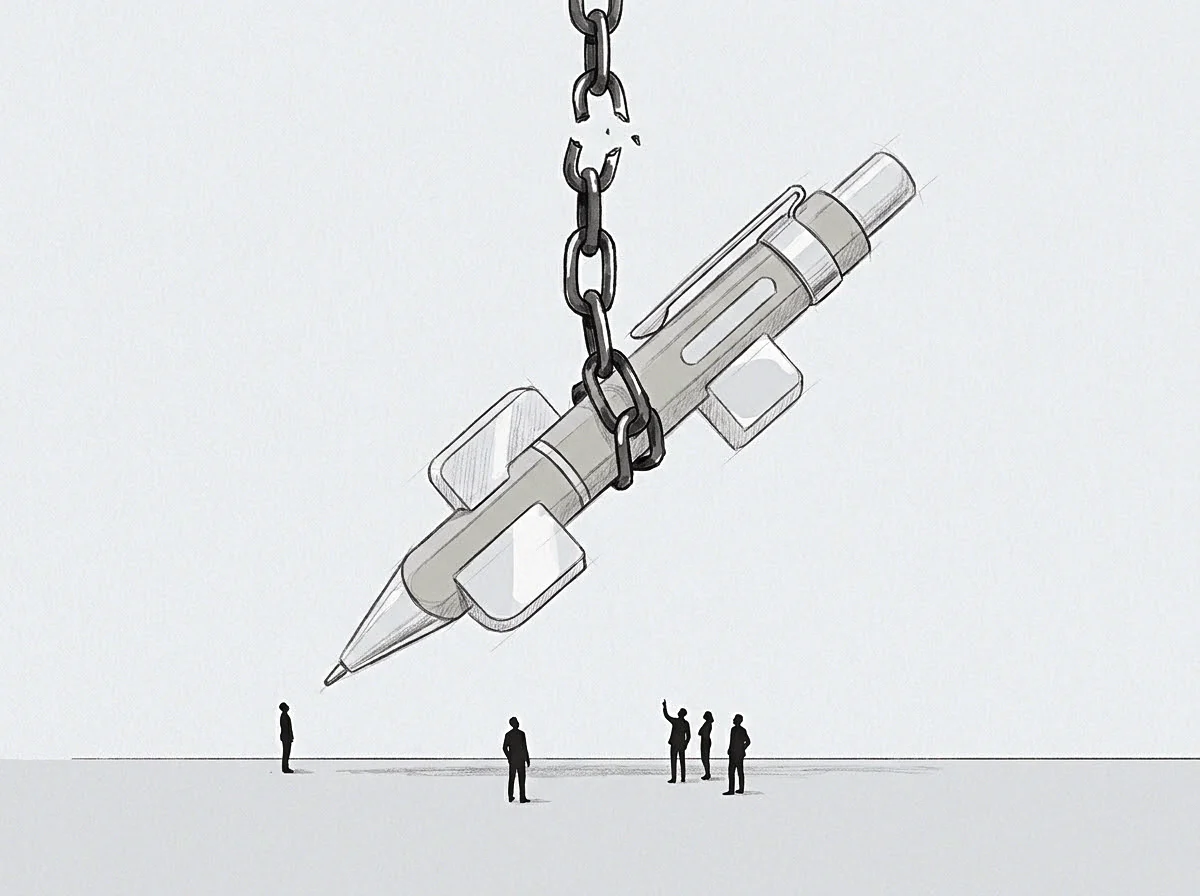
Measurement Variables in Procedural Degradation
Quantifying systemic drift requires rigorous classification of failure modes within daily workflows. Operational auditors track specific markers indicating that written directives have lost functional authority over active execution cohorts.
- Baseline Adherence Rate measures the exact ratio of fully compliant task executions to total volume during the thirty days immediately following directive publication.
- Audit Interception Frequency tracks the temporal interval between mandatory secondary reviews, automated system checks, or peer verification samplings.
- Discretionary Deviation Velocity calculates the speed at which individual operators adopt unapproved procedural shortcuts following the removal of secondary oversight.
- Compounding Error Ratio quantifies the percentage of downstream operational failures directly attributable to unverified intermediate process steps.
Measuring these variables allows operational leaders to map procedural decay before catastrophe occurs. When baseline adherence falls below sixty percent, the risk of catastrophic system failure increases by a factor of four. Secondary anchors restore procedural stability by eliminating discretionary deviations at the individual operator level.
Removing secondary verification turns procedural guidelines into voluntary choices that bill the organization during high-stress operational events.
Whether an organization can reverse accumulated procedural drift without replacing the original operator team remains uncertain.
Shift
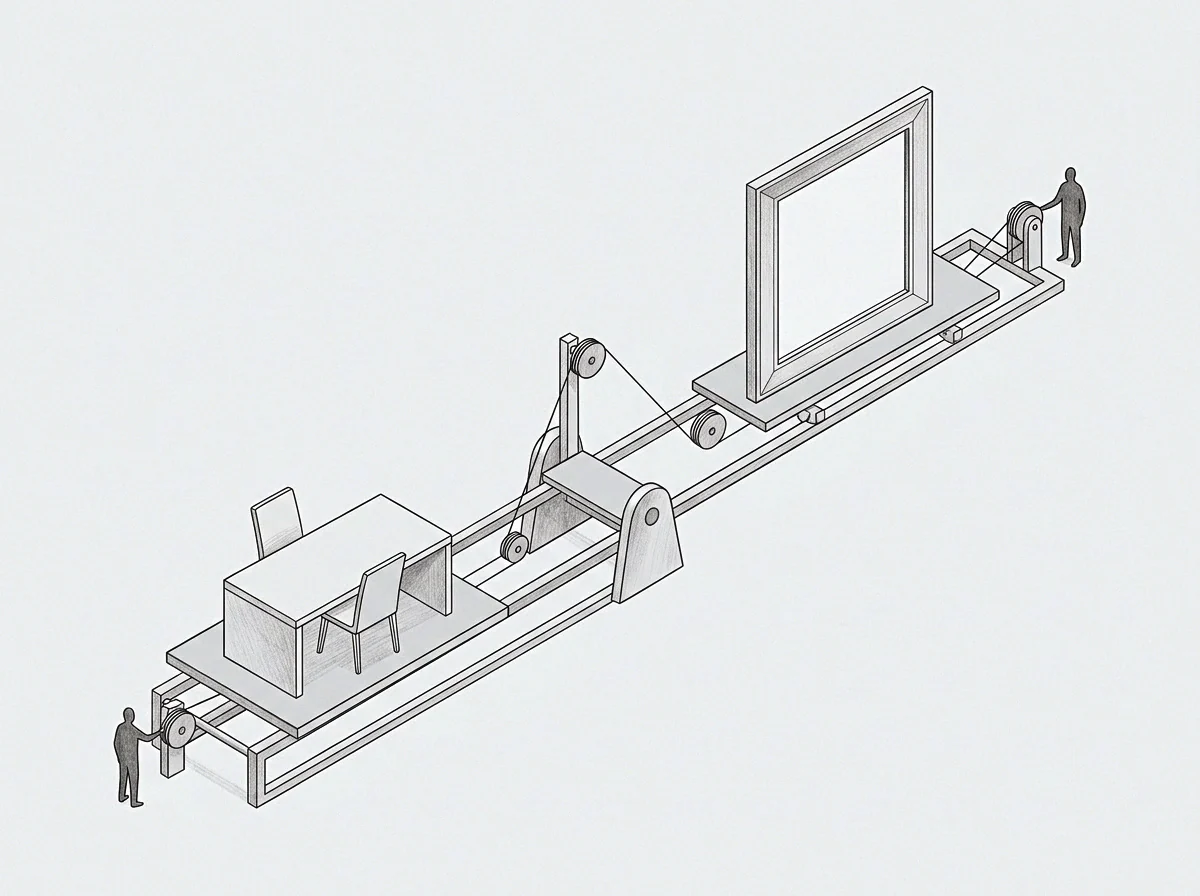
Unstated expectations alter interpersonal dynamics and operational clarity within building teams. When founders issue operational instructions without establishing secondary reinforcement, they create a covert contract. The founder expects continuous compliance based on the initial written directive, while the operator assumes that unmonitored steps are non-essential discretionary suggestions.
This asymmetry generates profound relational strain when procedural failures eventually surface.
Behavioral Reconfiguration Under Silent Expectations
As daily habits drift away from written policy, operators establish informal norms that prioritize task completion over procedural fidelity. The operator perceives their adaptations as constructive problem-solving designed to maintain operational speed. Management, observing silent compliance degradation without active intervention, implicitly validates the informal adaptations until an error disrupts financial or customer outcomes.
Consider an operational sequence in aviation maintenance, where flight technicians complete pre-flight checks under strict mechanical guidelines. If a lead technician skips a manual pressure calibration because the digital sensor registered normal, and no secondary supervisor audits the physical log, every junior technician on the floor adopts the omission within three weeks. Physical work environments demonstrate with absolute clarity that unreinforced instructions vanish rapidly under production pressure.
The sequence of operational decay follows an established progression within unmonitored building environments:
- Publication of the primary operational instruction without secondary verification architecture or automated compliance tracking.
- Initial discovery by an individual operator that bypassing a verification step increases immediate task completion velocity without triggering system warnings.
- Informal transmission of the shortcut to peer operators during peak workload conditions, establishing an unwritten operational norm.
- Complete substitution of the original written directive with the informal shortcut across the active operating cohort.
- Emergence of catastrophic operational failure or financial audit discrepancy, exposing the hidden accumulated systemic drift.

The Covert Contract of Voluntary Adherence
When leadership discovers accumulated drift, their reaction typically involves surprise and attribution of personal blame to operators. This response stems from a failure to recognize that an unmonitored instruction is structurally ineffective. The initial directive fading away leaves only informal habits in place.
Expecting voluntary adherence to unreinforced friction in high-velocity environments contradicts established findings in organizational behavior and social exchange theory.
A term stated once and never monitored acts as a weak initial suggestion rather than an operational boundary. When founders state a term once without measuring compliance, they relinquish control over execution quality while retaining the relational resentment that accumulates when expectations go unmet. Clear stated terms combined with secondary reinforcement eliminate the covert contract entirely, replacing silent friction with explicit structural accountability.
Unstated expectations regarding instruction compliance force the operator to guess which rules carry actual consequences.
The documentation never stated that missing the log verification would block the monthly distribution.

Friction
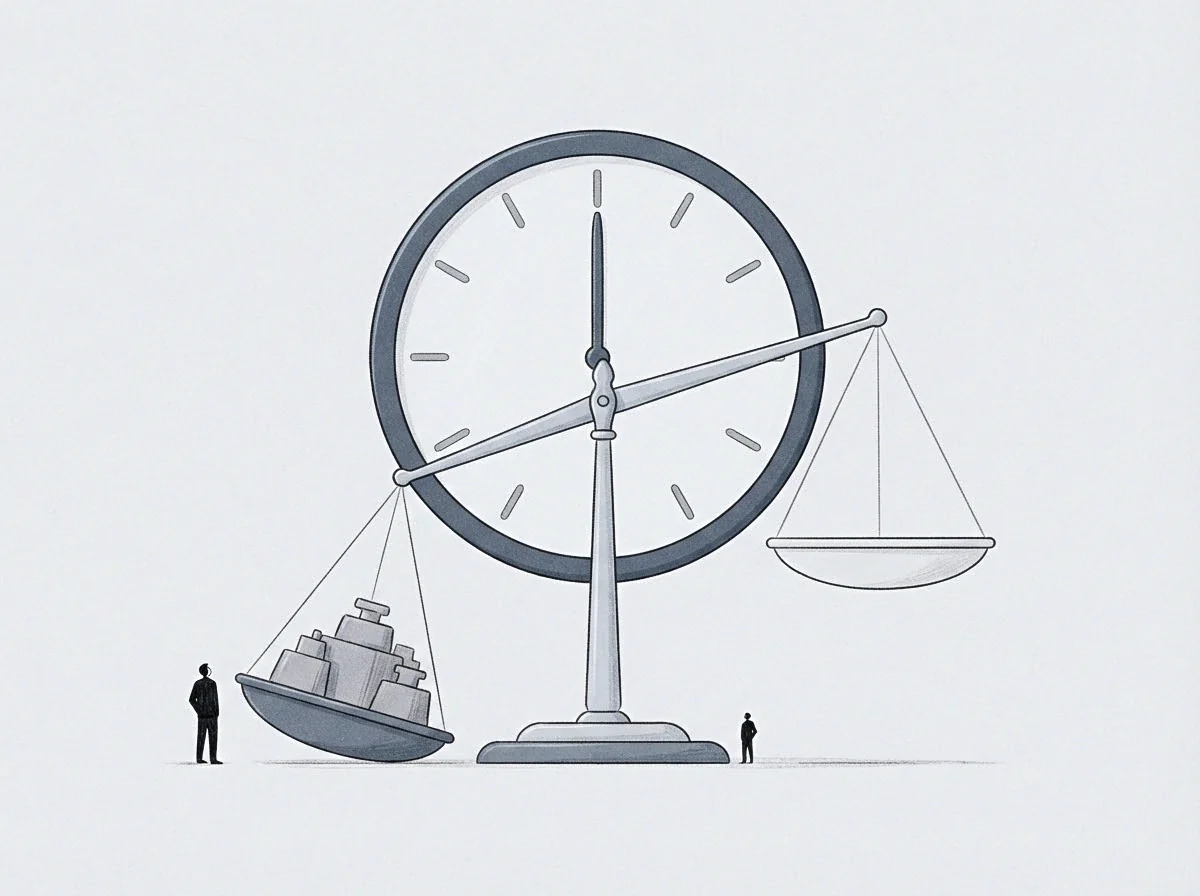
Re-establishing operational integrity requires introducing deliberate structural friction into compromised execution pipelines. Overspecifying written guidelines without altering secondary feedback mechanisms fails to halt procedural decay. True remediation demands constructing secondary reinforcement loops that physically restrict non-compliant execution, measure adherence continuously, and attach explicit consequences to procedural variance.
Re-Anchoring Operational Directives Through Stated Terms
Constructing effective secondary reinforcement begins with defining explicit terms at the moment of directive issuance. A properly constructed operational directive includes the primary instruction, the secondary verification mechanism, the inspection interval, and the precise consequence of non-compliance. Stating these components clearly before work begins filters out operators unwilling to adhere to procedural standards, preventing procedural debt from accumulating silently.
When terms sit before cost accrues, operational alignment occurs naturally. Operators recognize exactly which steps are mandatory and which carry structural friction. If a verification step is mandatory, it must be paired with an automated lock, a mandatory peer sign-off, or an immediate metric audit.
Eliminating ambiguity regarding compliance expectations protects both operational throughput and relational clarity between founders and operators.

Structural Interventions for Sustained Compliance
Long-term procedural stability depends on automated reinforcement mechanisms that operate independently of human memory or goodwill. Systems built on voluntary compliance inevitably degrade under growth stress. By embedding secondary verification directly into software tools, financial approval chains, and contractual agreements, organizations protect their operational core against systemic drift.
The cost of constructing secondary reinforcement is paid once during system design, whereas the cost of unmonitored operational drift is paid continuously through compounding errors, emergency remediation, and severe relational conflict. Replacing unstated expectations with explicit, reinforced terms transforms fragile operational instructions into resilient, scalable execution structures.
Failing to attach explicit secondary enforcement to core operational instructions leads directly to unmanaged execution failure when system load peaks.