
Measuring Operating Term Drift In Unmonitored Delegation Cycles
Unmonitored operational loops replace stated delegation terms with implied authority, expanding covert contracts until silent execution creates unassigned debt.

File

Initial Handover Mechanics and Baseline Terms
An operator receives responsibility for a functional division with five written parameters. The handoff was clear. The founder specifies output targets, spending limits, decision thresholds, client contact protocols, and reporting frequency.
That initial document sets the operational baseline. In the first ninety days, execution adheres strictly to those stated terms, with every deviation brought to the founder for approval. The written record remains empty of unstated additions because direct supervision reinforces the original boundary.
When leadership attention pivots toward fundraising or product shifts, formal reviews cease. The operator continues making weekly operational decisions inside the implicit space created by executive absence. Small operational adjustments occur without explicit written authorization.
A vendor contract is renewed above the original spending threshold because waiting for a signature would stall production. The original boundary holds nothing once active monitoring stops. The expanded action sets a precedent for subsequent choices.
The written record remains empty while direct supervision holds the original boundary.

The Assumption of Static Authority Boundaries
Delegation arrangements assume that boundaries stay fixed until formally revised. The psychological contract literature demonstrates that unstated expectations accumulate whenever operational reality strays from initial verbal agreements. When an executive leaves a delegated area unmonitored for two quarters, the operator interprets silence as tacit validation of all expanded decisions.
The boundary expands through repeated execution rather than explicit negotiation.
By the third quarter of unmonitored operations, the baseline parameters exist only as historical documentation. The founder believes the original five parameters govern the department. The operator acts under a secondary operational reality formed by dozens of unexamined adjustments made during urgent cycles.
That divergence between the initial stated terms and the operational reality creates a covert contract that bills for unstated scope. What remains unresolved is whether the founder can reassert initial parameters after six months of unmonitored expansion without inducing operational breach.

Decay

Accumulation of Unstated Operating Scope
Operational drift accelerates through routine execution loops that lack explicit evaluation checks. When an operator solves problems outside their formal mandate, the immediate success hides the structural alteration of their role. Execution creates authority.
The founder receives the positive output without examining the structural shifts required to achieve it. Over time, the operator views this additional authority as a permanent right rather than a temporary workaround.
Silence expands authority. Each unexamined cycle adds unwritten expectations on both sides of the arrangement. The founder expects the operator to handle novel edge cases independently.
The operator expects extra compensation or equity adjustments for managing scope far beyond the initial agreement. Neither party states these emerging terms aloud, leaving a structural debt that accumulates interest with every unmonitored quarter.
Unstated additions to operating scope accumulate interest through operational silence.

Structural Failure Modes in Unmonitored Handoffs
Without structured review cycles, delegated roles experience predictable operational breakdowns. These failure modes stem from the divergence between initial terms and operational reality.
- Scope Creep by Execution occurs when routine problem-solving permanently expands authority without explicit written authorization from executive leadership.
- Tacit Boundary Expansion arises when executive silence regarding minor threshold breaches is interpreted as permanent approval for elevated decision autonomy.
- Covert Compensation Expectations build as operators accrue unstated claims for managing expanded operational responsibilities outside their initial contract.
- Authority Disconnect emerges when executive leadership attempts to enforce forgotten initial terms against an operator who has acted under expanded scope for months.
Unmonitored execution loops shift authority to whoever handles the daily exceptions.

Table

Comparative Dynamics of Term Maintenance
Maintaining operating terms requires understanding the structural differences between explicit re-anchoring and passive accumulation of covert scope. The table below details how operational parameters behave under structured evaluation compared to unmonitored execution cycles.
| Operational Parameter | Explicit Re-Anchoring Strategy | Passive Scope Accumulation |
|---|---|---|
| Decision Authority Boundaries | Re-evaluated quarterly with written scope updates | Expanded implicitly through unexamined operational fixes |
| Psychological Contract Alignment | Explicit terms prevent unstated expectations from forming | Covert contracts bill for scope additions never stated |
| Resource Allocation Limits | Adjusted through formal capital request reviews | Exceeded routinely to preserve operational speed |
| Conflict Trigger Points | Settled early during structured term evaluations | Explode when executive reasserts stale initial bounds |
Failing to conduct explicit re-anchoring cycles forces the arrangement into passive accumulation, ensuring that subsequent boundary enforcement triggers operational breach and resignation.

Metric

How Does Operational Silence Accelerate Boundary Expansion?
Quantifying operational drift requires tracking the rate at which unapproved operational choices become standard working protocol. Consider a operational unit handed to an executive director with an explicit spending limit of twenty thousand dollars per decision. Over eight months of unmonitored operations, emergency vendor hiring forces four decisions at forty thousand dollars.
The founder receives financial reports showing these expenditures but leaves them unexamined due to high sales performance. Silence accelerates drift.
The unexamined spending becomes the new operational baseline for the director. The difference between the written parameter and the operational reality measures forty thousand dollars of drift across four cycles. By month twelve, the operator views the higher limit as an established right.
The founder views it as a series of policy violations waiting for audit. The cost accrues daily.
Stating a clear operating term early prevents unwritten scope additions from billing later.
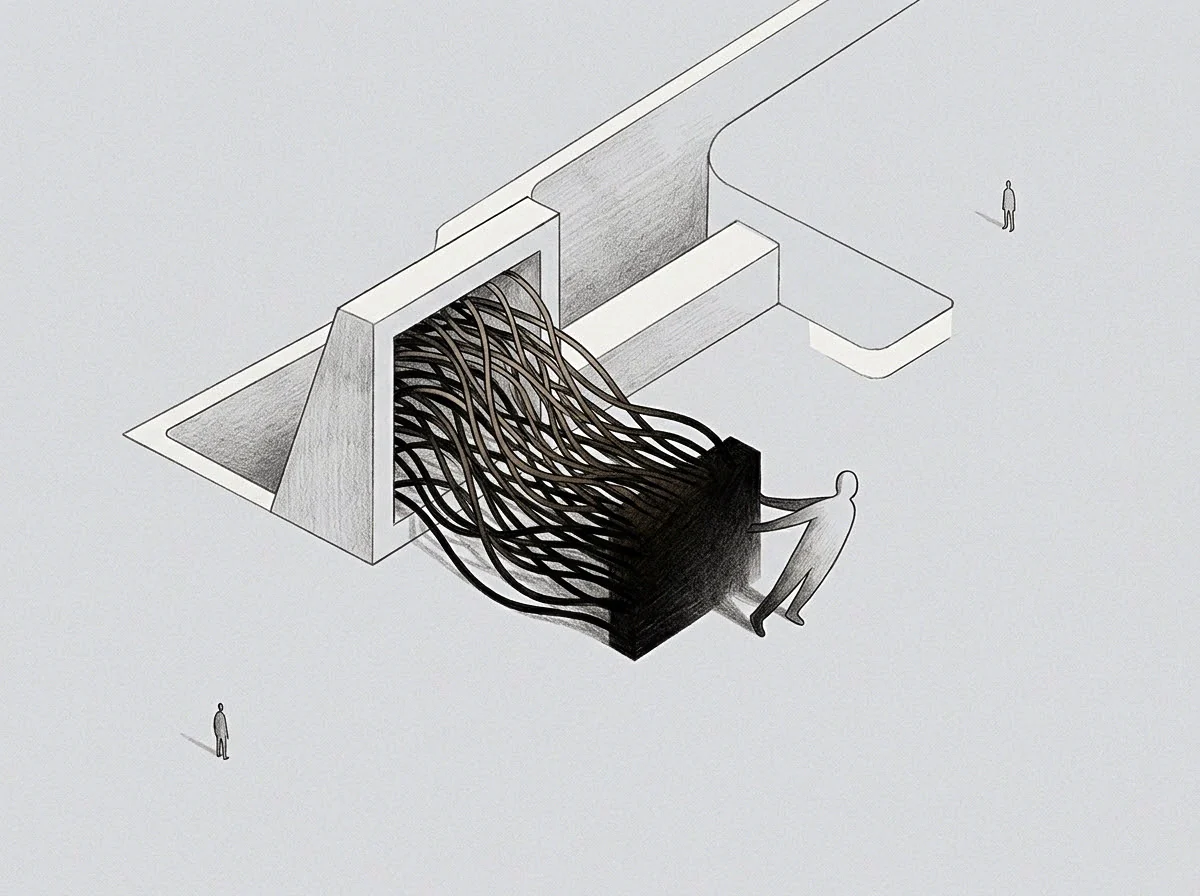
Quantifying Operating Term Variance Over Time
To measure total term drift, calculate the cumulative count of unapproved authority expansions against the baseline agreement. Take an arrangement with ten baseline terms. Assume four terms undergo structural alteration through unmonitored operational decisions over six months.
The system exhibits a forty percent drift rate within two operational cycles.
Research in organisational behavior confirms that psychological contract breach occurs when the perceived operational reality deviates significantly from initial terms. The operator measures value by the actual operational scope managed, while the founder measures value by adherence to initial structural boundaries. When the founder eventually audits the department, the reassertion of initial terms feels like a demotion to the operator.
The operator would state that the extra authority was earned through silent execution during periods of executive absence.

Filter

Re-Establishing Stated Terms After Unmonitored Cycles
Resetting an operating baseline after long periods of unmonitored execution requires systematic re-anchoring. The sequence prevents operational breach while re-establishing clear boundaries.
- Document every operational decision pattern that expanded beyond initial written limits during unmonitored cycles.
- Compare the current operational reality directly against the original written parameters to establish exact drift metrics.
- Schedule a dedicated re-anchoring review to evaluate each scope addition on operational merit rather than historic silent acceptance.
- Construct new explicit operating terms that incorporate necessary expanded authority while explicitly terminating unapproved practices.
- Establish recurring sixty-day review checkpoints to prevent future covert contract accumulation.
Terms filter available positions.
When executive leadership specifies in writing that decision authority above twenty thousand dollars returns to the executive board regardless of historical silent approvals, operational drift stops immediately.