
Operational Protocol Design For Asynchronous Remote Engineering Teams
Asynchronous engineering protocols replace unstated reachability expectations with explicit written terms for decision latency and architectural authority.
Clock
A sharp division separates time management from explicit availability protocols. Remote engineering teams often collapse under the weight of unstated reachability demands. When an organization transitions to distributed work without defining operational hours, continuous reachability becomes the default expectation.
This creates perpetual context switching. Engineers monitor messaging channels constantly to avoid appearing disengaged. Focus time evaporates.
An unanswered message costs two engineering days. The operational throughput of an engineering group depends directly on protecting uninterrupted focus blocks.
Asynchronous Latency and Synchronous Expectation
Engineering teams frequently mistake continuous presence for operational velocity. Real velocity stems from autonomous execution where work proceeds without real-time coordination. When real-time responsiveness becomes an implicit standard, asynchronous workflows break down.
Engineers hesitate to start deep architectural tasks knowing an urgent chat notification will disrupt their thought process. Context switching carries a heavy cognitive price. Restoring deep focus after an interruption takes upwards of twenty minutes.
A structured protocol defines clear boundaries around response times. It distinguishes urgent system outages from routine technical inquiries. Routine pull request reviews, documentation updates, and architectural proposals move through explicit batching windows.
Unstated reachability creates covert contracts. One engineer expects an answer within ten minutes, while another works under the assumption of a four-hour window. The resulting misalignment generates quiet friction and deliberate slowing of contributions.
When explicit reachability windows are established in writing, context switching decreases across time zones.
Constructing Time Agreements Over Presumed Reachability
A remote organization operates across multiple time zones without requiring concurrent working hours. Rather than assuming team members sit at their desks simultaneously, the system relies on scheduled asynchronous synchronization points. Handover documentation becomes the primary mechanism for transferring task state across time zones.
Explicit protocols define when an engineer must hand off a task and what context the receiving engineer needs to resume work without waiting for a live call.
The table below compares the operational dynamics of implicit synchronous availability norms against explicit asynchronous protocol contracts across core team interactions.
| Operational Dimension | Synchronous Availability Model | Asynchronous Protocol Contract |
|---|---|---|
| Decision Latency | Unbounded waiting for real-time consensus | Bounded written feedback window with default authority |
| Context Switching | High frequency driven by continuous chat notifications | Low frequency constrained by scheduled batch reviews |
| Documentation Burden | Low initial effort creating fragile tribal knowledge | High initial effort creating persistent audit trails |
| Breach Pattern | Covert resentment over unstated reachability demands | Explicit metric breach triggering protocol adjustment |
Establishing clear availability terms replaces guesswork with predictable cadence. Engineers post their deep-work windows publicly and turn off real-time notifications during those intervals. Emergency escalation channels remain reserved exclusively for production incidents that threaten platform stability.
Failing to define explicit reachability terms forces engineers to substitute continuous availability for clear system design, compounding context switching costs until deep technical focus becomes impossible.

Contract
Unspoken agreements form rapidly within engineering groups when operational parameters remain vague. These invisible assumptions build what research identifies as the psychological contract. Every team member holds unstated expectations regarding review response times, architectural handoffs, and working hours.
When an unstated expectation goes unfulfilled, team members perceive a breach of trust. Relational friction follows. The covert contract operates quietly until a deadline slips or a critical code review stalls.

Psychological Contract Breach in Distributed Review Chains
Engineers construct mental models of peer responsiveness based on early team interactions. If a senior developer routinely reviews code within an hour, peers begin treating that rapid turnaround as a permanent standard. Research on psychological contract breach demonstrates that unstated expectations produce measurable relational friction when obligations are violated.
This finding rests on field studies of knowledge workers in technology firms where implicit agreements were tracked alongside task performance metrics; the conclusion would shift if operational environments with complete automated decision trees rendered personal expectations irrelevant.
Take an engineering group of eight developers operating across four time zones without written pull request review SLAs. Assume three senior engineers process seventy percent of code reviews based on implicit expectations of ownership. When review turnaround extends from four hours to three days during a release cycle, peer resentment increases while feature velocity drops forty percent.
The unstated expectation that senior engineers remain continuously available acts as a covert contract that eventually breaks under load. Explicit terms prevent this failure mode by setting predictable operational parameters before friction accrues.
A twenty-four-hour review term eliminates unstated expectations regarding pull request throughput.

Explicit Terms for Code Review Latency
A pull request sitting without feedback generates structural drag across parallel tasks. Code changes grow stale as the underlying branch drifts from the main repository line. Merge conflicts accumulate.
To stop this degradation, engineering organizations establish explicit terms governing code review turnaround times. A clear rule states that pull requests receive initial feedback within twenty-four hours of submission.
Every pull request contains implicit expectations. When an author submits code, they expect thorough verification without arbitrary rejections based on unwritten style preferences. Stating review criteria in automated linter rules eliminates subjective arguments during code inspections.
The repository stores explicit specifications. Written terms replace daily supervision. A mandatory twenty-four-hour pull request review SLA converts informal responsiveness claims into a verifiable operational metric.
Filter
Stating operational terms early isolates systemic friction before code reaches production. A stated term functions as a structural filter. It exposes whether an engineering candidate or existing team member can operate autonomously within asynchronous boundaries.
When a protocol is stated clearly and enforced consistently, the team member’s response provides immediate data regarding operational fit. Those who depend on constant verbal reassurance struggle, while autonomous operators perform effectively.

How Does Latency Reveal Unstated Technical Assumptions?
When a team member delays responding to an architectural update, the delay signals an unspoken misalignment. Unwritten handoffs stall parallel work. High turnaround latency on RFC documents reveals that team members lack clarity on decision-making authority or underlying system dependencies.
A delayed response is diagnostic data. It pinpoints exactly where written context is insufficient or where an engineer lacks the confidence to make autonomous decisions.
Whether setting a strict twenty-four-hour review SLA improves overall engineering throughput or merely shifts bottleneck latency to code quality remains difficult to prove across all team sizes. An operator facing this uncertainty establishes the explicit review term, measures code churn over twelve weeks, and adjusts the threshold based on empirical rollback rates. The response to the term reveals whether the bottleneck stems from individual habits or flawed architecture.
The engineer who documents assumptions before writing code reduces rework for the downstream reviewer.

Response Metrics as System Diagnostics
Tracking the turnaround time of pull requests provides objective data about team coordination. When an engineer repeatedly breaches written SLA terms, the system registers a diagnostic signal. The breach stems from ambiguous ticket scope, overwhelming review backlogs, or personal disengagement.
Addressing the root cause requires analyzing the handoff payload.
- Incomplete Payload Delivery occurs when an engineer submits code without accompanying setup documentation, forcing downstream reviewers to reverse-engineer local configuration steps.
- Silent Rejection Cycles develop when reviewers delay feedback on tickets that breach unstated architectural preferences rather than documenting those preferences in the repository style guide.
- Unbounded Review Loops emerge from open-ended inline questions that lack a clear proposal or explicit decision criteria.
Engineering throughput relies on context stability. The term functions as a term as filter, weeding out operational ambiguity before it creates systemic delay. The review stood stalled for three days because the architectural ticket lacked the expected interface definition.

Silence
Absence of immediate communication often exposes structural gaps in system documentation. In a synchronous culture, silence indicates inaction or absence. In an asynchronous framework, silence is the normal operating state of an engineer engaged in deep execution.
Information asymmetry produces operational drag. When documentation is complete, silence represents progress rather than stagnation.

Documentation as Structural Payload
An engineering deliverable includes both executing binary code and written operational context. Writing an RFC or pull request description forms the primary payload of the task. If a downstream engineer must ask clarifying questions on chat to deploy a service, the initial handoff payload failed.
In maritime navigation, ships operating in dense fog rely on fixed lighthouse signals rather than continuous radio queries to maintain course. Asynchronous software teams require similar fixed operational beacons so engineers can navigate independent tasks without asking for directional confirmation.
Empirical analysis of asynchronous software development indicates that structured written handoffs reduce task completion variance compared to real-time messaging updates. This finding derives from longitudinal observation of open-source repository commit histories, and it would break if task complexity decreased to trivial, single-line adjustments where synchronous chat incurs zero context-switching penalty.
Asynchronous engineering teams operate on written state rather than continuous verbal presence.

Unspoken Inter-Team Dependencies
Hidden reliance on specific individuals creates invisible blockers across parallel tracks. When Team A cannot progress without a live conversation with Team B’s lead, system autonomy breaks down. Replacing live conversations with structured asynchronous proposals unlocks parallel progress across time zones.
- The author writes the proposal with explicit non-goals and defined failure modes before sharing the ticket.
- Reviewers post structured comments within the agreed twenty-four-hour window without interrupting parallel development.
- Downstream operators verify the merged specification against continuous integration assertions.
Technical debt accrues in silent agreements. Explicit protocols reduce context switches. When dependencies are written into public design documents, teams move forward without real-time coordination.
Whether an engineering organization can sustain asynchronous delivery without a centralized synchronous escalation pathway remains an open operational question.
Anchor
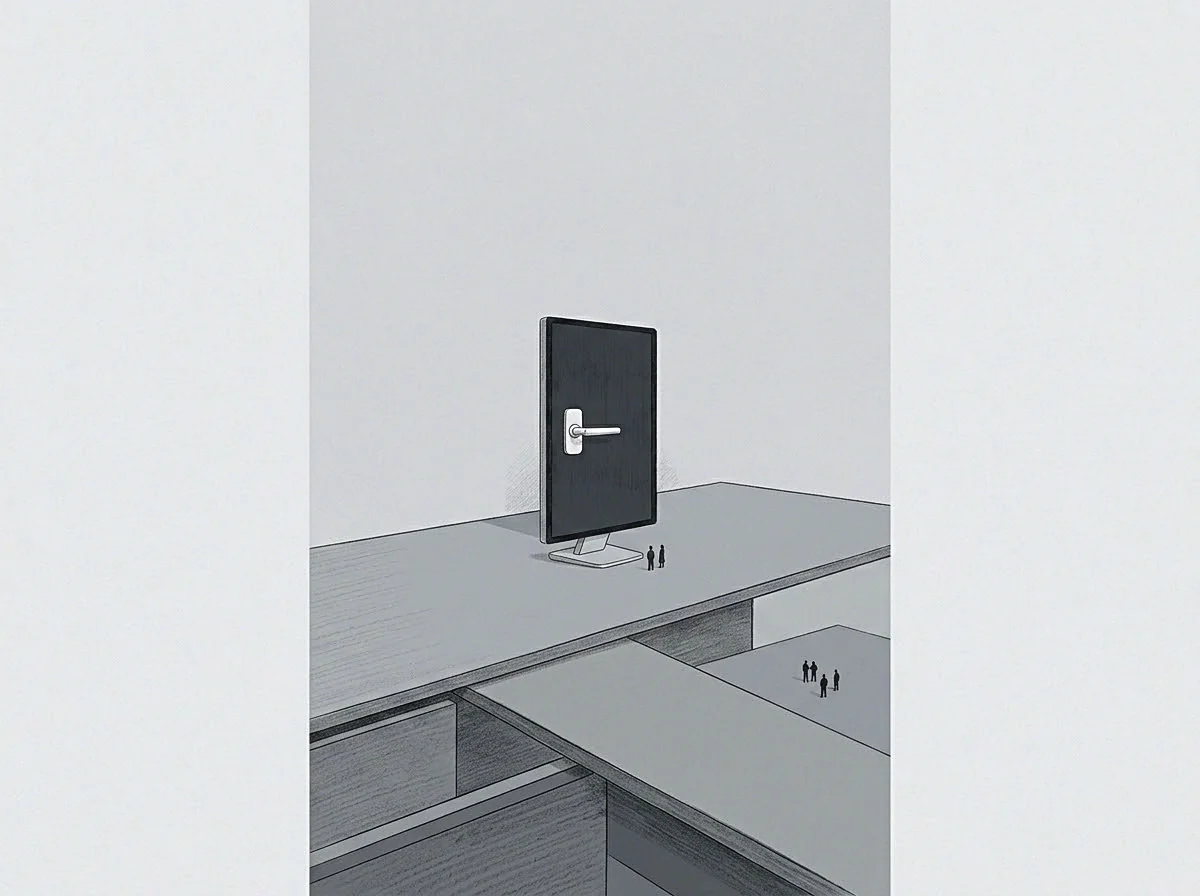
Establishing immovable operational boundaries grounds a distributed team in explicit expectations. An availability derived model ensures that presence is measured by deliverable artifacts rather than green chat status indicators. The protocol acts as an operational anchor.
It sets firm expectations around ticket state updates, pull request structures, and deployment verifications.
Systemic Enforcement Over Personal Vigilance
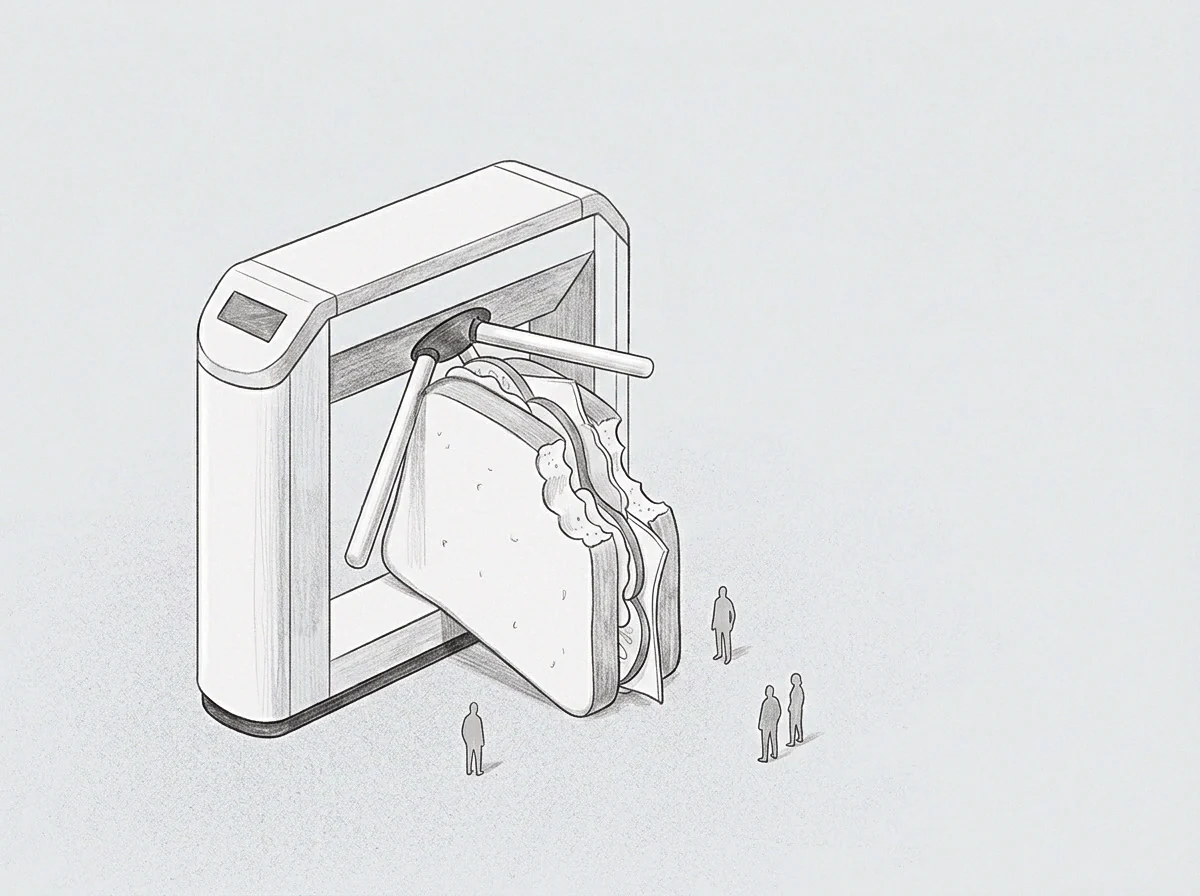
Automated checks in continuous integration pipelines replace human nagging. Relying on continuous personal vigilance to enforce code quality or review SLAs leads to operational fatigue. When automated tools enforce style guidelines, formatting standards, and test coverage thresholds, human interactions remain focused on high-level architecture and logic.
Automated gating mechanisms provide objective criteria for pull request merges.
An open pull request accumulates interest. When system rules are automated, engineers receive immediate feedback from the repository infrastructure. The friction of manual enforcement disappears.
The build system verifies state explicitly. Systemic constraints convert subjective team preferences into objective operational gates.
Operational Grounding for Distributed Engineering
Clear written agreements protect engineering focus by defining exact handoff parameters. When engineers understand the exact criteria for ticket completion, they deliver clean artifacts without needing continuous oversight. The want against term distinction becomes clear: an engineer’s personal preference for instant chat answers yields to the system’s structural need for persistent written context.
Written protocols build sustainable engineering organizations that survive scaling and geographic expansion.
Operating ground shifts from personal relationships to system specifications. Clear terms eliminate informal power dynamics and covert expectations. Engineers gain complete autonomy within defined operational parameters.
A protocol written down early costs less than the engineering capacity lost to continuous clarification.