
Quantifying Operational Instruction Drift In Early Stage Ventures
Operational instruction drift measures the measurable divergence between documented procedural baselines and live execution practices in growing ventures.
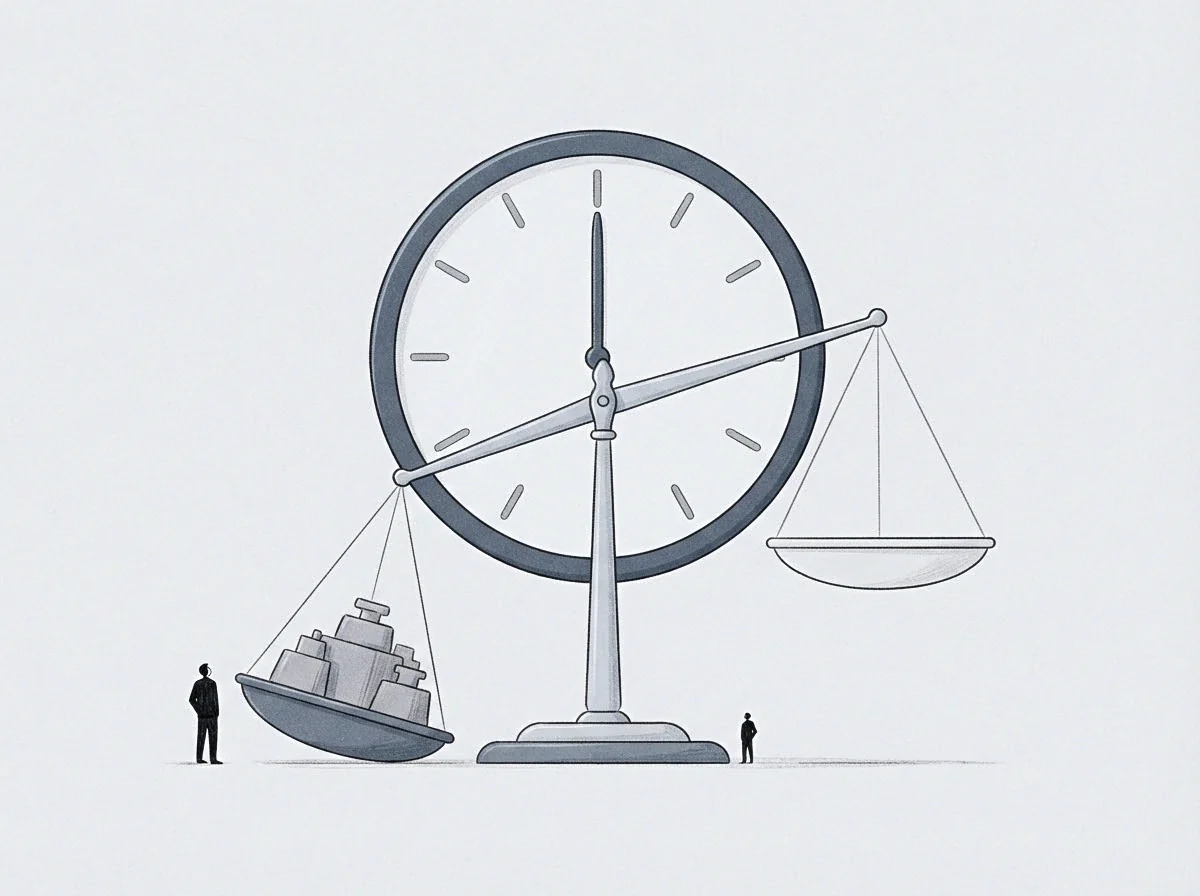
Variance
Early operating instructions lose precision as workflows pass between people. A procedure for client onboarding, inventory allocation, or code deployment starts with explicit constraints written into the draft, but over forty iterations, small unrecorded adjustments pull daily practice away from the text. The gap between written directives and actual execution is operational instruction drift, an unpriced variance that grows until an execution failure forces retrospective inspection.
Founders lean on verbal updates instead of rewriting documentation when headcount grows quickly. A rule logged once in a repository falls out of step with daily work as operators bend it around routine friction. Unstated changes to operational agreements create resentment when formal evaluations still track original baselines while day-to-day management rewards expedient shortcuts.
Execution divergence compounds whenever baseline instructions remain static while operating environments force weekly task adaptations.
Tracking this variance requires isolating three operational properties across recurring workflows:
- Instruction step fidelity measures the ratio of documented sub-tasks executed without alteration against the total sequence of recorded operational stages.
- Tacit modification latency tracks the elapsed days between an operator implementing an undocumented workflow shortcut and that shortcut appearing in formal training records.
- Authority threshold migration records the capital or resource allocation decisions made below original administrative clearance limits without prior governance review.
Left unmonitored, these shifts generate substantial remediation costs during due diligence cycles, along with capacity gaps whenever an employee departs with private adjustments in their head.

Paper

Observed Divergence Across Core Functions
Written processes provide early structure, but actual routines migrate toward whatever feels fastest. An engineer cuts manual verifications out of a release checklist to speed up deployment, introducing unpriced systemic risk. A sales rep alters standard qualification criteria to hit quota, quietly pushing fulfillment problems onto customer support without formal agreement.
The following comparison illustrates how instruction drift manifests across early stage operating departments when evaluated against formal baselines:
| Operating Department | Stated Instruction Baseline | Observed Emergent Drift | Structural Consequence |
|---|---|---|---|
| Client Integration | Complete four-stage validation audit before data migration. | Operators execute single-stage validation, deferring error audits. | Unresolved migration errors double post-launch support ticket volumes. |
| Product Engineering | Require two peer reviews for every infrastructure change. | Engineers self-merge deployments during off-peak windows. | Undocumented dependency conflicts emerge during scheduled platform scaling. |
| Revenue Operations | Collect standard upfront annual commitments for enterprise accounts. | Representatives introduce quarterly invoicing exceptions informally. | Working capital forecasts suffer variances exceeding thirty percent. |
Standard operating procedures decay unless periodic operational audits enforce baseline fidelity. When leadership stops inspecting routine adherence, staff take the silence as permission to improvise. This dynamic turns formal policy into an unspoken arrangement where following instructions is voluntary.
Procedural documentation loses governing authority when execution deviations generate short-term efficiency without immediate administrative challenge.
Countering this divergence requires mandatory quarterly instruction validation audits, which revokes unverified workflows and recalibrates performance metrics to match verified operational capability.

Decay

Quantifying Cumulative Workflow Degradation
Measuring drift requires consistent observation over set periods. Operators monitor this through the instruction drift index, calculated by evaluating execution variance across critical workflow steps over thirty-day operating cycles. High variance scores show wide divergence between documentation and actual work.
Consider a venture with fifteen full-time operators executing two hundred discrete client onboarding cycles per month. The documented instruction contains twelve discrete procedural milestones, including manual credit checks, data security validations, and executive approval sign-offs. Over six months, operators bypass four milestones systematically to meet compressed onboarding timelines.
The venture records an apparent forty percent efficiency improvement, while accumulating hidden compliance liabilities and operational fragility.

How Accurately Can Operators Track Unspoken Deviations?
Finding undocumented shortcuts means observing the work directly instead of trusting retrospective self-reporting by operational staff. Self-reported compliance data exhibits structural bias, as operators routinely omit improvised workarounds from formal status updates. Direct workflow monitoring, transaction log audits, and cross-functional peer reviews provide empirical measurements of procedural decay without relying on individual testimony.
Research into high-reliability organizations shows that operational drift follows predictable stages: it begins with minor rule adaptations and ends in operational breakdowns during capacity surges. Early stage ventures frequently mistake this drift for agility, celebrating informal adjustments while eroding administrative discipline.
Unmonitored procedural shortcuts produce temporary velocity at the expense of systemic predictability.
The operational standard holds that unwritten workflow adjustments inevitably degrade institutional reliability during periods of aggressive headcount expansion.
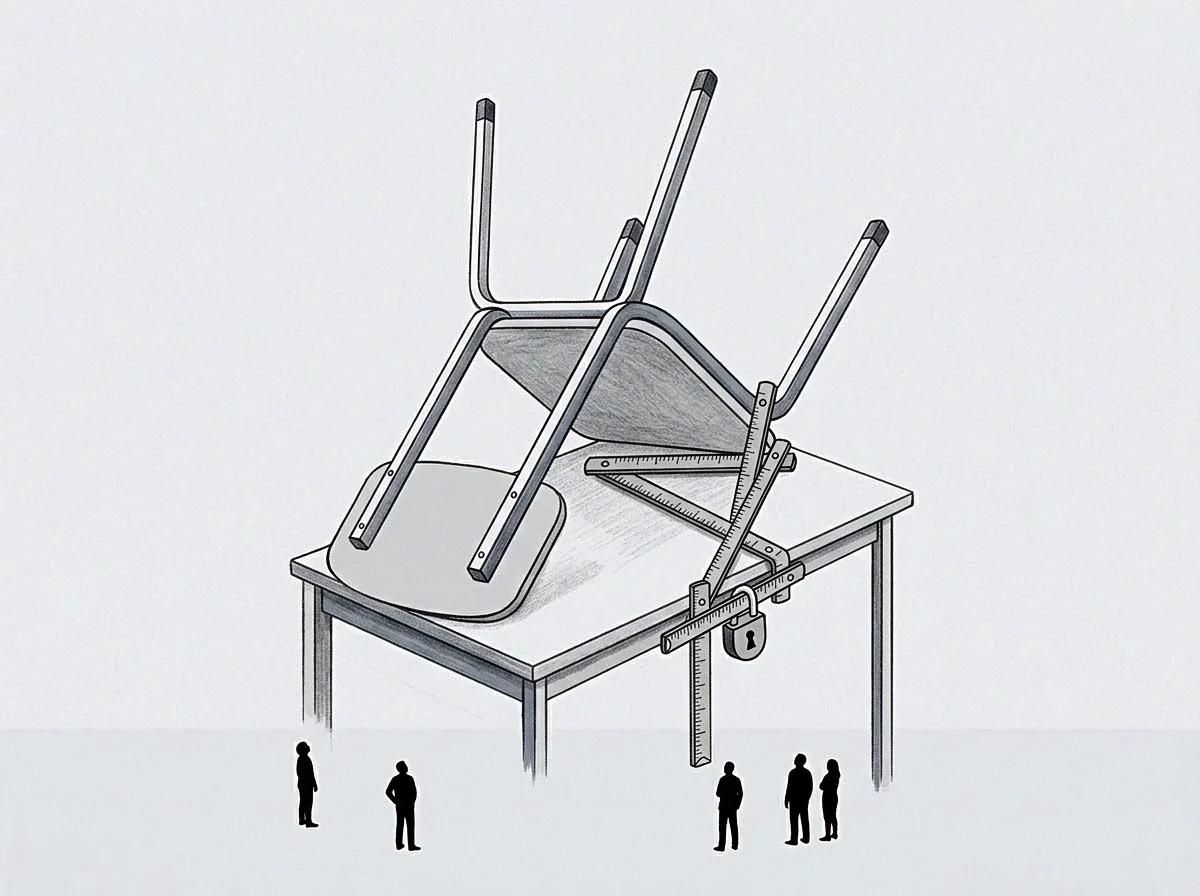
Tally
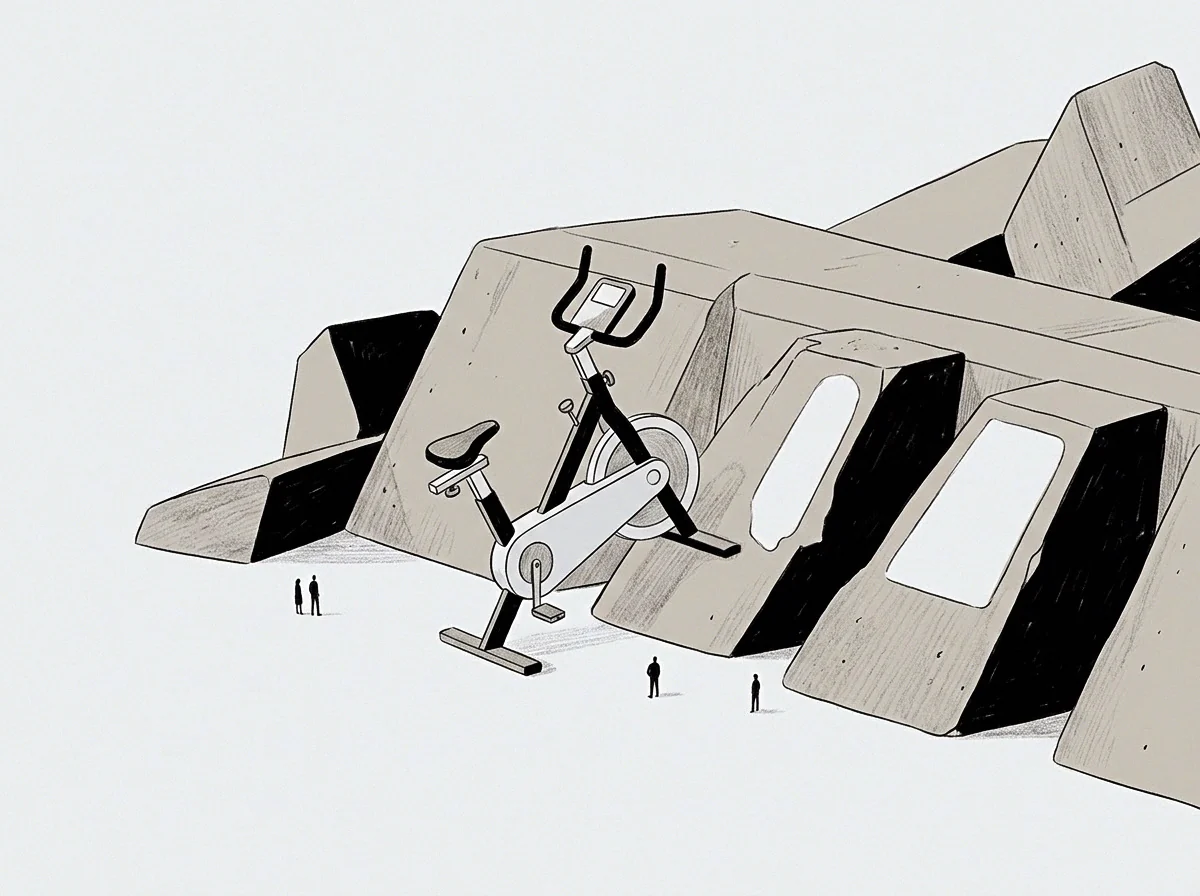
The Structural Balance of Operating Drift
Early stage ventures that tolerate unquantified instruction drift face substantial capital costs during institutional scaling phases. When an organization expands from ten to fifty employees, tacit operational knowledge fails to transfer effectively, leading to operational friction, service disruptions, and depleted founder energy and hours. The venture must then spend considerable resources reconstructing baseline operational procedures that should have been maintained continuously.
Stating explicit operational terms early and auditing them consistently preserves institutional capital and establishes clear boundaries for autonomous decision-making. When operators understand precise instruction limits, they innovate within defined parameters rather than creating unrecorded workflow deviations that destabilize operations.
Undocumented improvisations are celebrated as initiative until an audit reframes those actions as administrative negligence.