
Structural Mechanisms for Detecting and Correcting Silent Adaptation in Strategic Directives
Strategic directives decay through unstated local adaptations, requiring explicit terms, variance telemetry, and formal renegotiation mechanisms to restore alignment.

Desk
A directive leaves the executive office carrying precise expectations about timeline, resource allocation, and strategic intent. Within six weeks, an operator managing daily local friction alters three implementation steps without requesting a formal change. The written document remains frozen on a shared server while actual work adapts to local pressures.
This gap between stated directives and practical execution forms the primary channel of silent organizational decay.
Silence carries costs. When executive leadership issues a command, the initial compliance looks uniform. Local units accept the document, log the target metrics, and integrate the task into weekly reporting.
Beneath that administrative surface, local teams continuously adjust priorities to survive daily resource constraints. An operator facing an unworkable deadline rarely sends an explicit refusal; instead, the operator quietly drops secondary quality checks, reallocates technical capacity, or delays documentation work. The executive assumes the original directive stands intact because no formal objection arrived at the head desk.
The initial silence following a strategic directive frequently conceals operational divergence rather than alignment.
Friction generates variance. Directives issued without structural verification mechanisms rely on an implicit assumption of absolute operational durability. Every environment presents unpredictable constraints, competing customer demands, and shifting technical debt.
Operators solve these immediate problems through silent adaptation. The want of the founder or executive leader is framed as an absolute baseline, yet the operational reality forces trade-offs. When those trade-offs occur without explicit terms, the unstated workaround creates an informal operational reality that contradicts the official strategy.

Operational Divergence in Direct Leadership Mandates
Divergence begins when daily tasks collide with strategic assumptions. Consider a technology venture where executive leadership directs engineering teams to accelerate product release schedules by thirty percent. The mandate specifies that security compliance standards must remain fully intact.
The engineering director discovers that existing staffing levels make simultaneous compliance and rapid deployment impossible. Stating this limitation immediately risks administrative pushback or perceived incompetence. The director quietly reduces internal code review cycles from three peer checks to one while maintaining the security reporting metrics in executive updates.
The strategic directive remains textually unmodified while the structural reality shifts entirely. The executive believes speed and security are operating in tandem. The operator knows speed was purchased by sacrificing security rigor.
Because the adaptation remains unstated, no cost is formally assigned to the risk accumulative in the codebase. Directives decay silently.

Unstated Conditions inside Execution Contracts
Every internal directive functions as an implicit contract between strategic planners and operational executors. Psychological contract research in organizational behavior demonstrates that unstated expectations generate structural vulnerability. When explicit terms do not define how an operator should handle resource shortfalls, the operator constructs a local workaround.
This covert contract bills the enterprise later through unexpected operational failure, quality degradation, or burnout.
The covert contract develops through predictable stages:
- Unspoken Execution Expectations emerge when executive leaders assume operational conditions match initial plans without verifying daily workflow realities.
- Local Workaround Construction occurs as operators adjust strategic guidelines to maintain immediate surface deliverables under unaddressed constraints.
- Accumulated Relational Friction surfaces when executive expectations collide with the degraded operational sub-structure during high-stress market events.
Failing to state explicit operational parameters early transfers the hidden cost of adaptation directly onto the enterprise balance sheet over time.

Drift
Unstated adaptations alter the psychological contract between executive leaders and operational teams long before formal performance metrics record a variance. Operators protect capacity. When a directive imposes demands that exceed available operational bandwidth, operators select which elements of the mandate to honor and which to ignore silently.
The choices made by operators reflect immediate local survival rather than broad enterprise strategy.
Silence is data. The absence of negative feedback following a directive launch often indicates that local units have absorbed the mandate by altering its parameters. Organizational research regarding psychological contract breach reveals that when leaders treat compliance as automatic, operators view subsequent operational adjustments as justified self-preservation.
Over time, the informal adaptation becomes the standard operating procedure, rendering the original directive a administrative fiction.
An unstated expectation always transforms into a covert contract that charges the organization for unallocated friction.
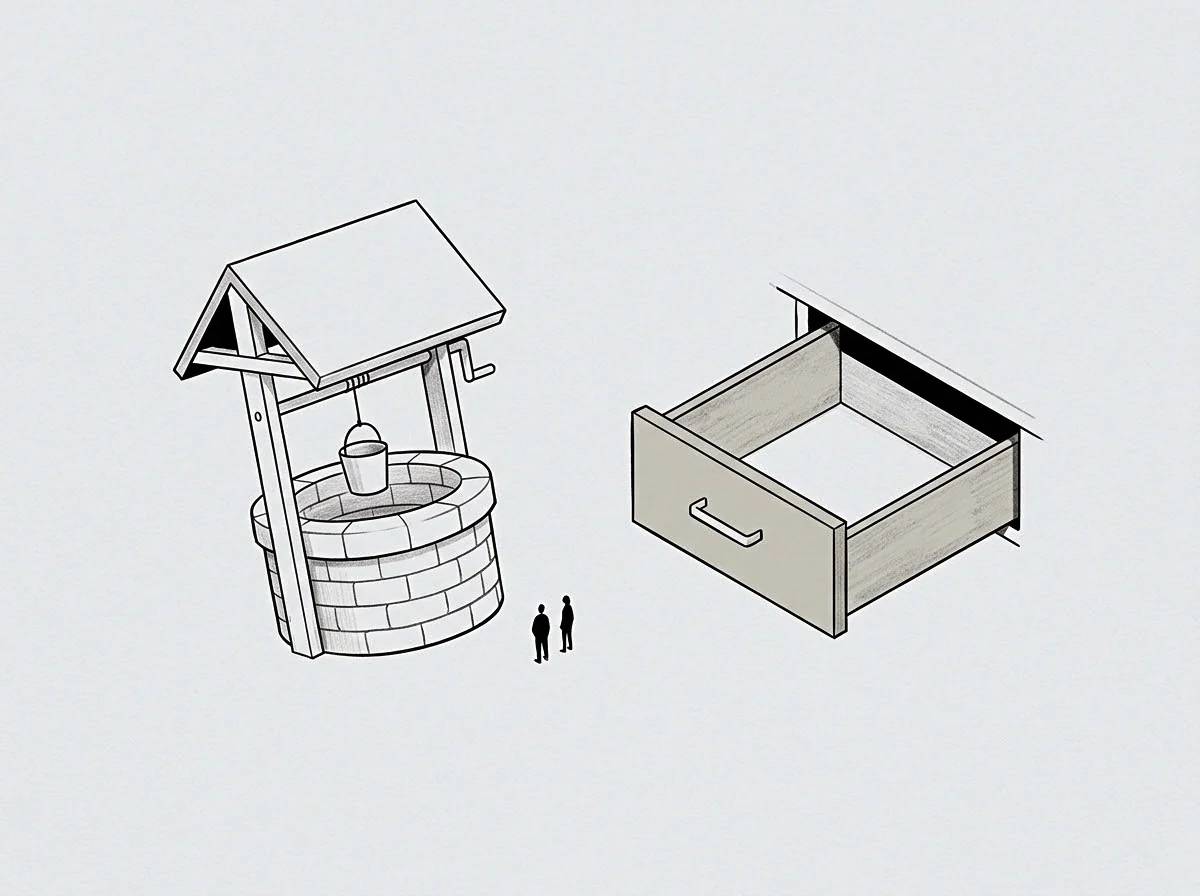
Psychological Contract Breach through Operational Friction
Breach occurs when one party perceives that an explicit or implicit obligation has been violated without mutual consent. In strategic management, executive leaders experience breach when operational outputs fail to reflect the original directive intent. Operators experience breach when directives land without corresponding resource reallocations or realistic timeline adjustments.
Unstated expectations bill.
Take an operational scenario involving two senior leaders managing an enterprise expansion across two regions. Assume executive leadership mandates equal market penetration targets within twelve months, funding both teams at identical levels. Region A encounters double the regulatory friction of Region B. The lead operator in Region A silently shifts eighty percent of marketing expenditure into legal compliance fees to clear local regulatory barriers, abandoning the customer acquisition campaign required by the core directive.
Executive leadership evaluates Region A solely on customer acquisition figures, identifying a performance failure. The operator evaluates leadership as unreasonable for ignoring local regulatory realities. Both parties bill each other relationally for an unstated operational reality.

How Local Optimization Erodes Strategic Priorities?
Local teams optimize for immediate survival metrics within their direct view. When strategic directives mandate outcomes that conflict with daily operational incentives, silent adaptation bridges the gap. The operator chooses local stability over strategic fidelity because local failure produces immediate negative feedback while strategic drift takes quarters to detect.
This dynamic creates systemic vulnerability across three distinct dimensions:
- Strategic intent becomes diluted as each intermediate operational layer applies its own silent modifications to the directive.
- Executive decision-making relies on compromised operational reporting that reflects surface compliance rather than actual execution paths.
- Organizational accountability breaks down because operators defend missed targets by pointing to unaddressed local constraints.
The operational conditions on the ground made strict adherence to the written directive impossible without breaking daily customer delivery.

Telemetry
Detection mechanisms measure the distance between executive intent and daily operational choices through quantitative variance tracking. Stated filters eliminate ambiguity. By establishing explicit structural telemetry, organizations identify silent adaptations while operational correction remains inexpensive and structurally manageable.
Clear terms filter. Without objective tracking mechanisms, executive leaders discover directive drift only after customer delivery fails, financial deficits surface, or market shares decline. Telemetry converts subtle operational choices into visible structural signals.
Continuous audit loops check operational activity against stated parameters, ensuring that local adjustments receive formal review rather than silent adoption.

Comparative Analysis of Variance Indicators
Organizations deploy varied structural detection mechanisms to monitor directive execution. The selection of a detection mechanism determines the speed and accuracy of drift identification, as well as the administrative burden imposed on operational units.
| Indicator Type | Detection Signal | Structural Cost | Response Delay |
|---|---|---|---|
| Direct Resource Shift | Budget reallocations over five percent | Medium administrative overhead | Immediate telemetry readout |
| Operational Redirection | Task reprioritization in weekly queues | Low baseline monitoring expense | Two-week detection cycle |
| Silent Omission | Abandoned secondary directive targets | High relational audit demand | Quarterly review window |
Costs compound rapidly. The table demonstrates that passive detection forms, such as monitoring silent omission during quarterly reviews, carry severe delays that allow informal adaptations to solidify into systemic habits. Active telemetry, including direct resource tracking, exposes local workarounds early when corrective structural intervention requires minimal operational disruption.
A stated variance threshold above ten percent triggers immediate operational audit before local adaptations compound into permanent structural habits.
Inserting an explicit quarterly variance clause into the strategic directive restores immediate executive review whenever local task allocation strays beyond pre-approved thresholds.

Remedy
Correction protocols restore structural alignment through explicit term renegotiation and formal capacity reallocation. Position precedes action. Correcting silent adaptation requires executive leadership to address the operational friction that forced the local workaround, rather than demanding blind compliance with a flawed directive.
When telemetry identifies operational drift, leadership must choose between modifying the strategic directive or reallocating physical, financial, and human assets. Restoring alignment requires structural mechanics rather than motivational rhetoric. Stating clear terms re-establishes explicit boundaries around operational execution.
When an operational variance receives immediate explicit renegotiation, the cost of adaptation drops by orders of magnitude compared to delayed structural correction.

Re-Establishing Stated Directives over Covert Adaptation
Correcting operational drift demands a systematic protocol that converts informal workarounds into explicit governance terms. The sequence operates through five clear steps:
- Initial Friction Identification registers the exact operational bottleneck forcing local workarounds before administrative escalation.
- Explicit Term Construction replaces unstated expectations with concrete performance thresholds stated in single unambiguous sentences.
- Capacity Realignment assigns necessary financial and human resources directly to the modified targets to absorb operational trade-offs.
- Formal Position Binding commits leadership and operators to written terms governing future adaptational variances.
The mandate stands. By walking through explicit term construction, leadership eliminates the shadow zone where covert contracts flourish. If an operator requires modified timelines to maintain delivery quality, that requirement enters the formal text of the directive alongside revised output expectations.
It remains uncertain whether automated tracking tools can detect informal behavioral adaptations before operational leaders notice structural output changes.

Balance
Equilibrium between strategic discipline and tactical flexibility relies on structural mechanisms rather than interpersonal trust alone. Terms set limits. Organizations that successfully maintain long-term directive fidelity embed formal variance permissions directly into their governance design.
The arrangement holds. Allowing controlled, explicit adaptation prevents the formation of silent workarounds. When operators possess clear, formal channels to negotiate directive adjustments, local problem-solving strengthens enterprise resilience without compromising strategic intent.
- Formal mandate registration establishes baseline operational intent across executive levels.
- Continuous telemetry tracking captures local deviations from stated resource paths.
- Scheduled renegotiation cycles convert silent workarounds into explicit contractual terms.
Clear terms stated early prevent structural drift while keeping operational capacity focused on intentional goals.