
The Hidden Cost Of Unstated Operational Variances In Founder Led Production Teams
Unstated operational variances in founder-led teams create psychological contract breaches, driving systematic rework and operational drift through unwritten standards.

Drift
A production release halts four hours before deployment because an unwritten quality threshold resides exclusively in executive memory. The formal specification lists twelve pass criteria, all verified by the production lead. An executive reviews the final output, identifies an unwritten cadence deviation, and pulls the deployment without updating the underlying documentation.
Tacit standards linger. The team waits.
Unstated operational variances represent the divergence between documented work protocols and tacit execution expectations within founder-led teams. In early operational phases, organizations rely on real-time corrective actions from creators who hold complete context. As production scales, team members execute against written guidelines, yet founders continue evaluating output against unarticulated personal benchmarks.
This discrepancy creates structural ambiguity. Execution stops.
An unstated operational standard generates systematic rework whenever production responsibility shifts to an operator.
Operational variance accumulates when unwritten preferences overrule established specs. Founders develop intuitive heuristics through years of direct product management. When these heuristics remain unwritten, operators mistake standard operating procedures for complete instructions.
The resulting misalignment forces teams to treat every finished unit as a draft. Rework costs compound.
Unspoken operational deviations consume leadership capacity while training production teams to abandon written protocols in favor of passive observation.
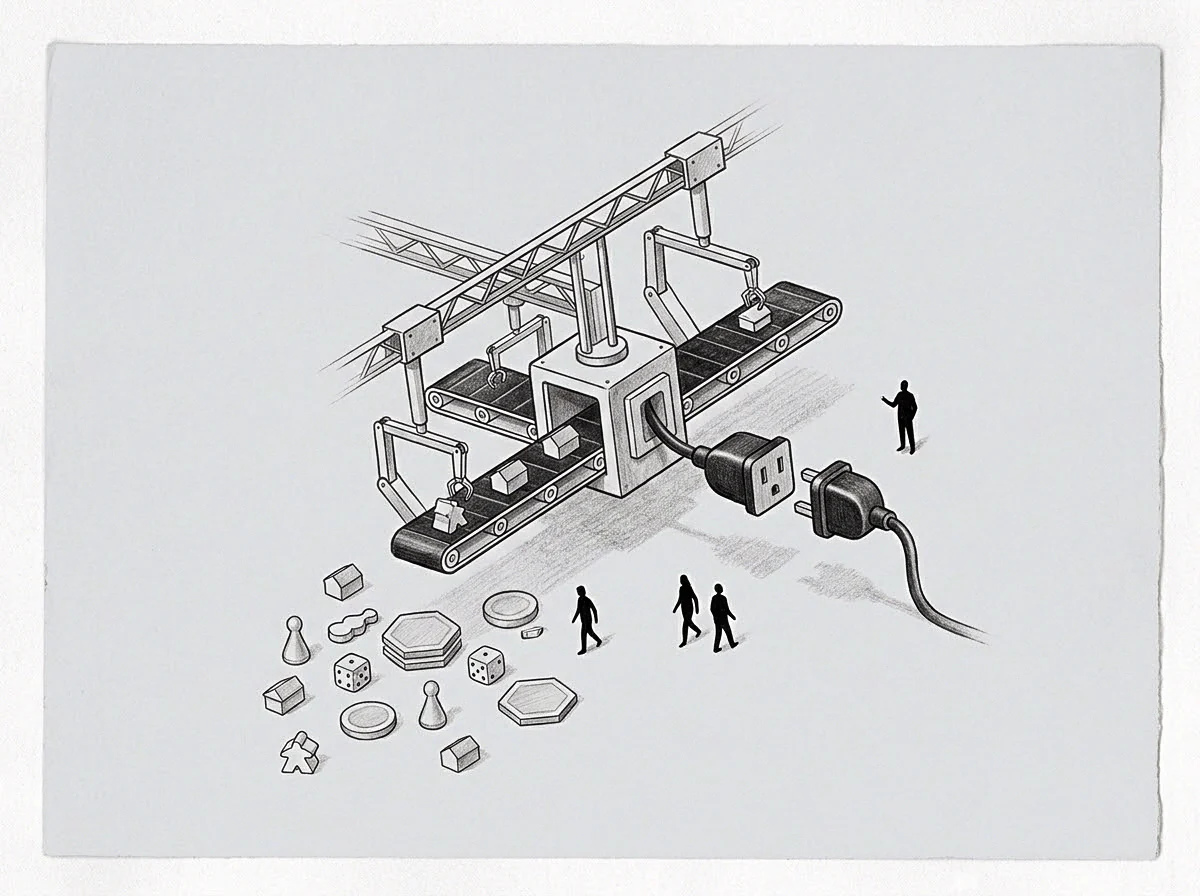
Desk
Operators sit at physical or digital workstations attempting to reconcile formal output targets with real-time leadership interventions. When written guidelines conflict with spoken edits, production throughput degrades. The seat fixes the daily schedule, the schedule fixes available capacity, and capacity determines total output.
Consider a ten-person software production team operating under a documented sprint velocity target of forty story points per cycle. Assume the team leader holds an unstated expectation that customer ticket triage takes priority over planned task delivery whenever external inquiries arrive. When team members focus on story points, the leader views them as disengaged; when they focus on tickets, sprint commitments fail.
| Execution Metric | Explicit Operational Parameters | Unstated Founder Variances |
|---|---|---|
| Rework Frequency | Low (under 5 percent of completed units) | High (exceeds 35 percent of completed units) |
| Decision Latency | Immediate based on written spec | Delayed pending verbal confirmation |
| Documentation Currency | Updated per release cycle | Static while unwritten rules govern quality |
| Operator Retention | Predictable tenure based on clear targets | Elevated turnover due to shifting criteria |
The gap between documented commitments and active operational priorities creates systemic friction. Symptoms of variance leakage manifest across daily operations:
- Velocity Compression occurs when operators deliberately slow throughput to anticipate unwritten executive interventions.
- Documentation Atrophy develops as team members recognize that canonical specifications yield to spoken overrides.
- Decision Paralysis manifests when mid-level supervisors refuse to sign off on completed units without direct founder validation.
The team delivered exactly what the document specified, yet the final build was rejected for lacking an unwritten standard of polish.

Breach
Organizational behaviour literature analyzes implicit expectations through the lens of the psychological contract. Employees maintain implicit beliefs regarding mutual obligations, formed through direct directives and observed leader behaviour. When an unwritten expectation is applied post-hoc as a performance standard, the psychological contract suffers breach.
Misalignment grows. Variance accumulates.
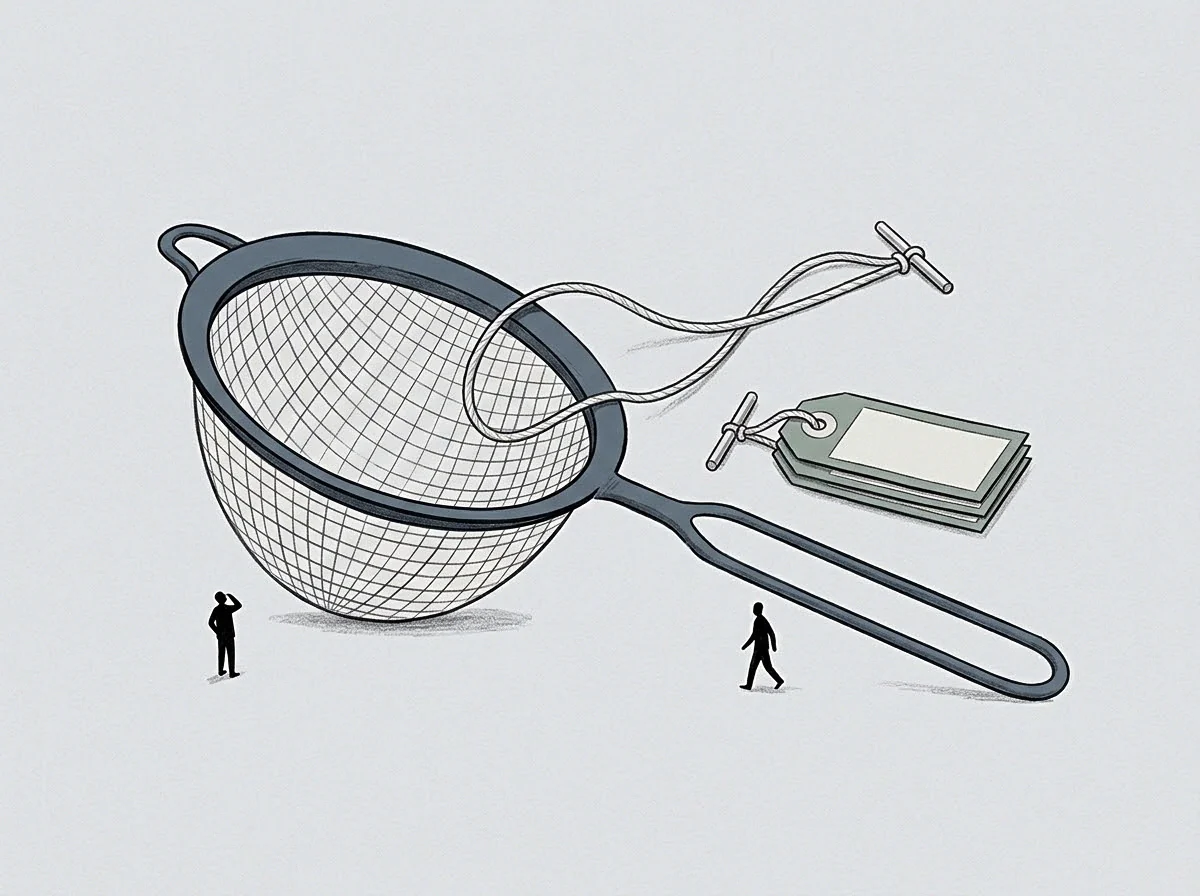
Does Tacit Knowledge Prevent Formalization?
Tacit knowledge consists of deeply ingrained mental models, personal craft traditions, and intuitive shortcuts. Founders frequently assert that tacit standards cannot be translated into explicit written terms. Research in operational management shows that tacit knowledge remains unwritten primarily due to time constraints rather than inherent complexity.
Leaving standards unwritten allows leaders to alter evaluation criteria without notice.
An explicit quality parameter defined during onboarding eliminates thirty percent of downstream revision cycles.
Psychological contract breach triggers emotional withdrawal, reduced organizational citizenship, and deliberate compliance capping. Operators stop offering voluntary problem-solving once their compliance with written specs yields negative performance assessments. Overriding breaks trust.
Capacity drops.
A written override clause specifying that unstated preferences carry zero weight in sprint evaluation shifts the burden of operational clarity back onto the leadership layer.
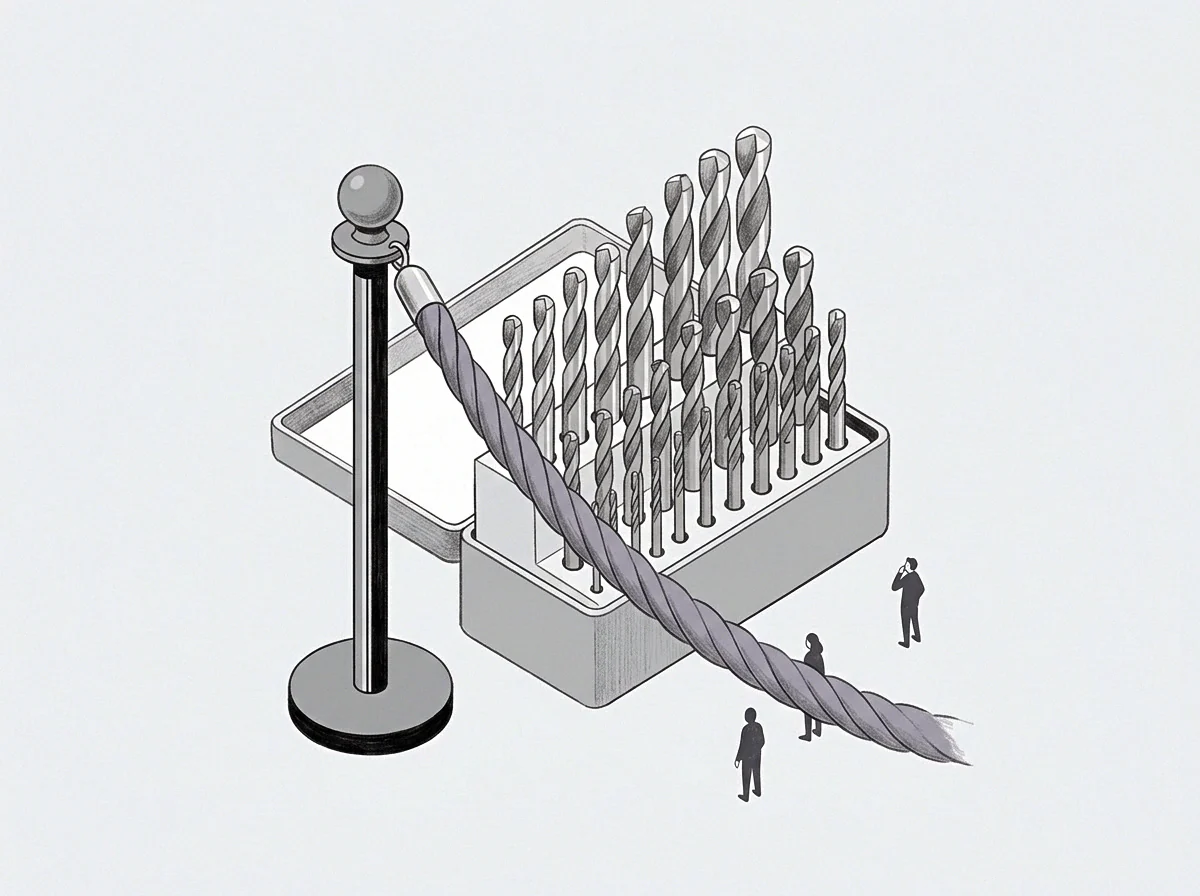
Grid
Constructing explicit operational filters eliminates the need for real-time micro-interventions. Clear terms filter early. Boundaries attempt to defend existing capacity through defensive refusal, whereas terms establish precise conditions of engagement before work commences.
A boundary requires constant active enforcement; a term acts as a structural screen.
Converting unarticulated executive standards into explicit terms follows a linear sequence:
- Identify recurring override points across three consecutive production cycles.
- Convert each tacit preference into an explicit, testable acceptance criterion.
- Establish an operational protocol that invalidates post-hoc quality assessments.
Operational clarity emerges when acceptance criteria exist prior to work execution rather than during final review.
Establishing clear operational terms forces leadership to confront internal contradictions between speed and perfection. When terms are stated explicitly, team members evaluate trade-offs without consulting executives. Documentation degrades when variance remains unstated.
Whether production teams can maintain high quality without direct executive oversight remains uncertain when implicit standards vanish faster than explicit protocols can be documented.
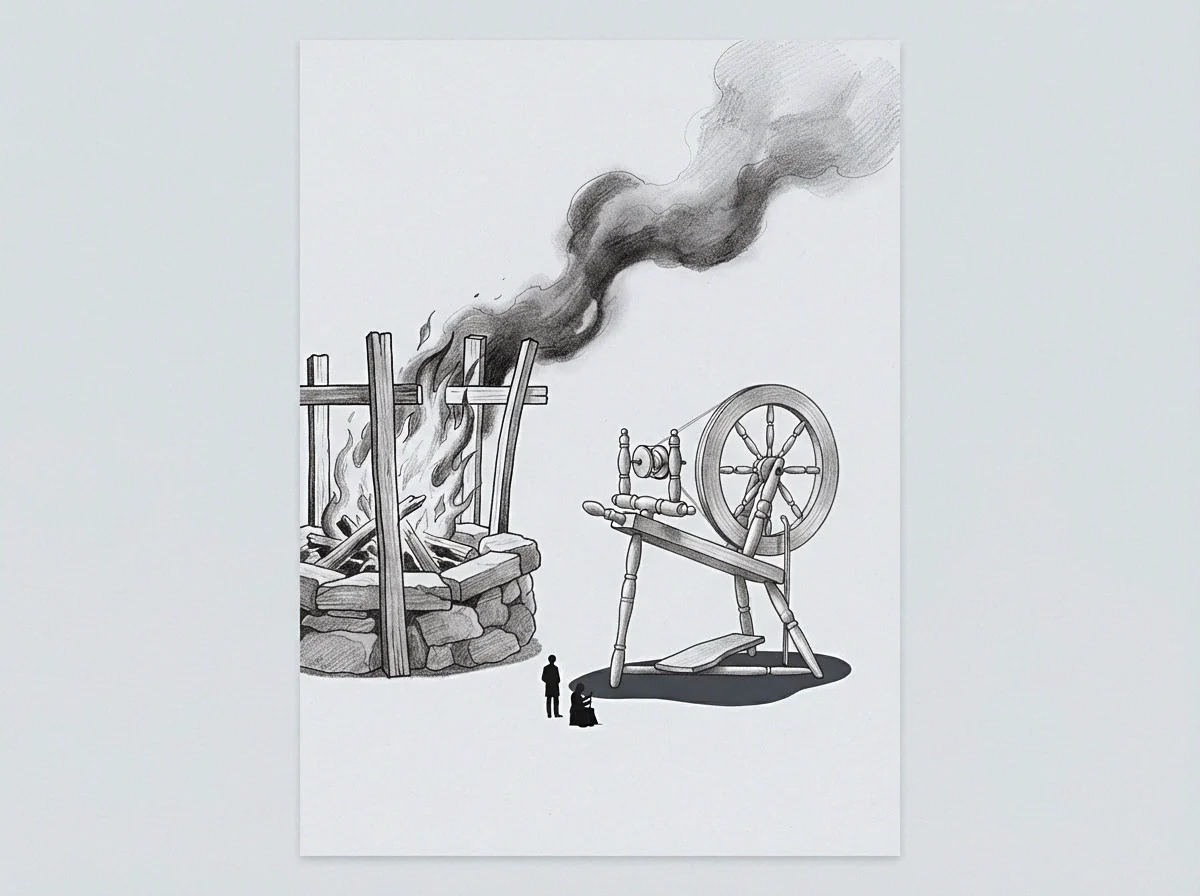
Margin
Protecting team output requires running a strict structural sequence: want, terms, cost, position, action. The founder discovers an internal want regarding product aesthetics or operational style. They construct an explicit term defining that baseline.
They calculate the exact operational cost of compliance in hours and capital. They take a clear structural position. Action follows naturally.
The sequence remains strictly linear. Attempting action before establishing terms generates friction. Silence bills later.
When leaders demand compliance with unstated preferences, operators pay in burned-out capacity and lost autonomy.
An unstated expectation bills the production team long after the work finishes.
Operational stability settles over a production environment once every execution variance is named in plain text, recorded in the specification, and priced before work begins.