
Determining Evidentiary Boundaries Between Contributed Intangible Assets And Unstated Ongoing Founder Service Obligations
Evidentiary boundaries between contributed assets and founder services depend on verifiable date-stamped transfer documents that prove operational autonomy.

Deed
An assignment of intellectual property transfers an asset that exists at a verifiable date. Ongoing exertion supplies personal capacity over subsequent calendar quarters. When contributors form an enterprise, confusion between past creation and future labor regularly contaminates the capitalization structure.
One participant signs a document transferring a software prototype, a proprietary dataset, or an unpatented formula. Another participant assumes the assignment guarantees sixty hours of operational labor each week until commercial launch. The written instrument records title to an item.
It records nothing about sleep, presence, or future maintenance.
Corporate law treats an intellectual property assignment as an executed sale or contribution. The transaction completes upon delivery of the assignment agreement and the transfer of the tangible or digital repository. Conversely, an obligation to render service represents an executory arrangement, subject to specific performance limitations and ongoing commercial contingencies.
If documentation fails to isolate the exact boundary of the contributed artifact, the economic balance tilts immediately into covert expectation. The enterprise treats the asset as consideration for equity, yet co-owners quietly expect ongoing sweat equity to justify that same initial grant.
A contribution instrument conveys title to an existing artifact while remaining completely silent on future physical presence.
Unstated expectations generate quiet accounting within the first ninety days of collaboration. A technical contributor believes their pre-existing engine already earned their thirty percent equity allocation. Their co-participant watches the clock, noticing when the creator leaves the shared office at four in the afternoon.
The friction emerges from mismatched baselines. Silence regarding operational duties allows each side to project their preferred economic reality onto the foundational paperwork.
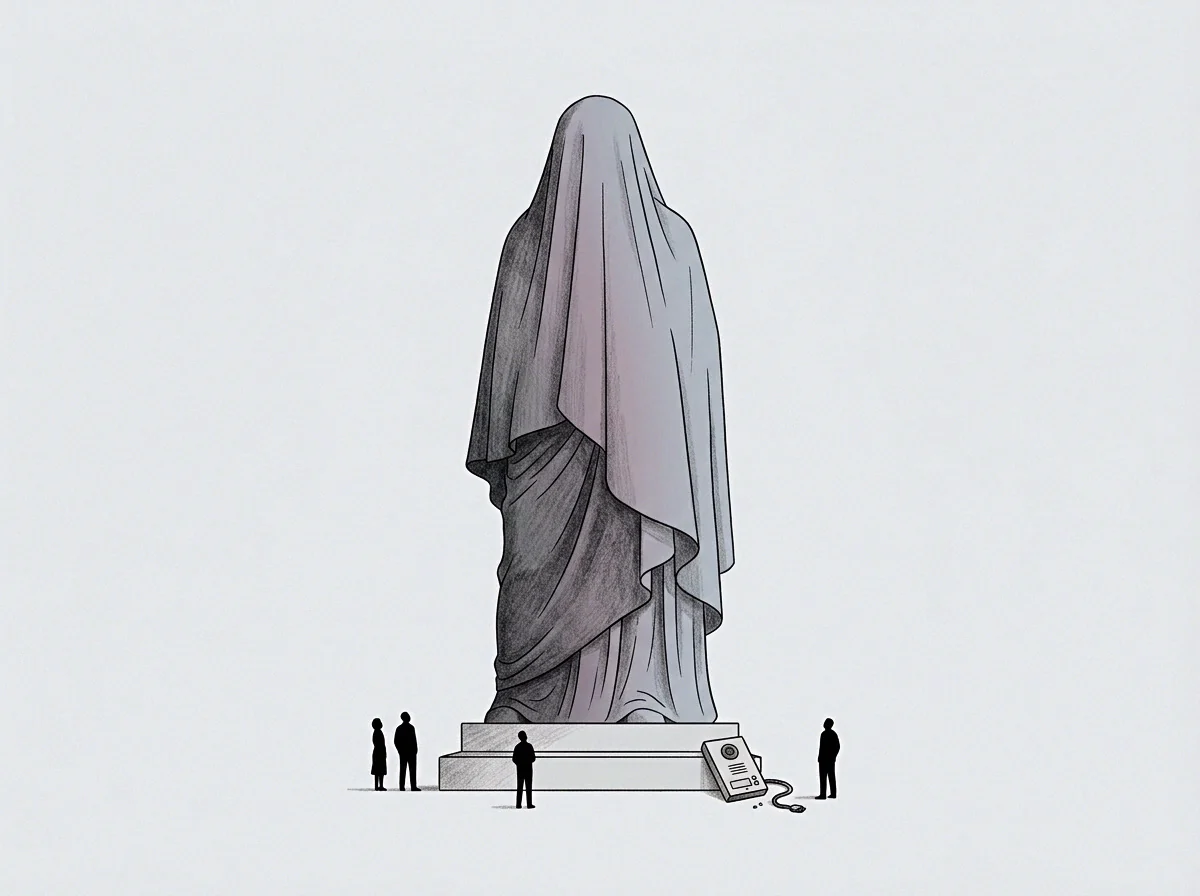
Severance of Static Property From Future Attention
Distinguishing property from personal exertion rests upon the legal test of separability. A contributed intangible asset can be sold, licensed, or pledged without the continued presence of its author. Personal service terminates the instant the individual withdraws their bodily attention.
When an enterprise cannot deploy, debug, or commercialize an asset without the creator standing over the machine, the contributed item lacks true independence from the contributor.
Evidentiary documentation must therefore prove complete conveyance of the artifact at an immutable date. The transfer paperwork demands an attachment identifying the exact git commit, the specific laboratory notebook pages, or the locked customer database schema. Without this granular schedule, the contribution blurs into continuous development.
Co-owners perceive the original contribution as merely the opening installment of an unstated, open-ended employment arrangement.
An asset transferred without functional autonomy binds the creator to perpetual uncompensated operational labor.

Vault
Physical isolation of an intangible creation establishes the strongest evidentiary barrier against claims of mandatory service. A repository snapshot preserved on immutable media fixes the perimeter of what was given. Version control histories, cryptographic hashes, and notarized technical disclosures demonstrate what existed prior to incorporation.
Anything modified or authored after the signature date belongs to an entirely different evidentiary bucket.
Difficulties arise because intangible assets are rarely static at the moment of enterprise creation. Code requires patching, datasets demand cleaning, and client lists decay without weekly contact. When the original author performs these maintenance routines without a formal services contract, the corporate entity conflates the maintenance with the original conveyance.
The entity behaves as though it bought both the seed and the gardener for a single equity issuance.
Static artifacts preserve their property status only when physical custody passes entirely beyond the sole custody of their creator.
Clear custody requires third-party access and institutional survivability. If only one person holds the decryption keys, password manager tokens, or specialized compilation scripts, the asset cannot function as an independent corporate holding. Inability to run the codebase in the creator’s absence provides strong circumstantial evidence that the enterprise received personal service obligations rather than a freestanding intangible asset.

Objective Boundaries in Digital Assets
Establishing digital property lines demands cold, verifiable markers that survive forensic scrutiny. Contemporary litigation over early equity splits demonstrates that verbal understandings crumble under economic pressure. Courts and arbitrators examine repository metadata, commit timestamps, and file creation signatures to determine whether valuable consideration arrived at inception or emerged from months of subsequent unbilled desk labor.
Four objective artifacts create an evidentiary wall between historic creation and continuous exertion:
- Cryptographic Snapshot records repository hashes on a public ledger at the exact hour of contribution. Subsequent commits establish distinct intellectual property authored under new corporate ownership.
- Autonomous Compilation Log demonstrates that a neutral engineer completed the build without asking the author a single explanatory question. Independent execution proves the asset stands entirely on its own documentation.
- External Valuation Schedule calculates asset worth using historical replacement cost rather than projected personal operational contributions. The appraisal isolates artifact utility from creator personality.
- Definitive Technical Spec Sheet itemizes features completed prior to entity formation. The document marks the perimeter where contributed property ends and routine product roadmap engineering starts.
Without such markers, the other owners will state that the equity purchased twenty months of custom engineering rather than three files stored in an archive.

Clock
Time measures labor while title measures property. Confusion between contributed assets and future obligations emerges when equity acts as a universal solvent for both. Founders regularly assign common shares to compensate for code written six months earlier, simultaneously expecting that same equity to secure the creator’s full-time employment for the next four years.
This structural error commingles historical compensation with unstated ongoing retention incentives.
Vesting schedules operate as the primary temporal mechanism in early-stage ventures. A typical four-year schedule with a one-year cliff measures forward-looking service, aligning continued ownership with future business development. When an entity subjects an already-completed intangible contribution to identical service-based reverse vesting, it implicitly converts property into an executory labor commitment.
The contributor risks forfeiting historical assets if they decline to perform operational duties that were never specified in writing.
Imposing reverse vesting on historical creations converts property ownership into a conditional wage paid in retained shares.
Reverse vesting applied indiscriminately across all initial share issuances destroys the evidentiary distinction between asset and exertion. The corporate charter treats every share as forward-looking compensation for showing up to work. If a contributor walks away after six months, the forfeiture of eighty-seven percent of their stock strips them of the static property transferred on day one.
The business retains the codebase while clawing back the consideration paid for it.
Does Time Tracking Clarify Asset Boundaries?
Tracking professional hours provides empirical documentation of when an asset reached commercial readiness. When contributors log hours against specific development tickets prior to incorporation, they establish historical sweat equity that can be separated from future managerial work. The records show the asset arrived finished, leaving subsequent hours dedicated strictly to operational deployment, user acquisition, and system maintenance.
Social exchange theory demonstrates that unstated expectations fester whenever parties rely on informal accounting. One contributor contributes code and stops working. Another contributor contributes ten thousand dollars and starts working eighty hours a week answering support tickets.
The operational partner tracks every hour spent, converts that time into emotional indebtedness, and attempts to balance the silent ledger by demanding the technical creator surrender equity or return to active service.
The consequence of unmeasured time is retrospective asset devaluation, leaving the creator defenseless against claims that their historical contribution carried negligible commercial substance.

Friction
Disputes ignite when an enterprise requires additional capital or faces a down-round restructuring. Venture investors inspect cap tables and IP assignment schedules with acute institutional cynicism. When an investor spots a founder who holds thirty percent of common equity based solely on an informal asset contribution while performing zero ongoing operational work, the investor halts diligence.
The unstated obligation transforms into an immediate capitalization blockage.
The investor demands that dead equity be cleared. The active operators, exhausted by three years of uncompensated executive tasks, align with the investor against the historical contributor. The operators argue that the original contribution was merely a baseline, and the founder was supposed to build the entire infrastructure.
The non-active contributor counters that their software engine formed the sole basis of the company’s market viability, and they never agreed to serve as a perpetual chief technology officer.
Evidentiary disputes turn on documentation created at the intersection of property transfer and corporate governance. The table below delineates the concrete evidentiary standards applied when arbitrating whether an intangible contribution stands alone or conceals an unstated ongoing service mandate.
| Evidentiary Category | Autonomous Intangible Asset | Unstated Service Commitment |
|---|---|---|
| Documentation of Consideration | Standard assignment agreement citing specific static schedules, git commits, or design manifests. | Generic assignment lacking exhibit attachments, accompanied by promises of ongoing technical leadership. |
| Corporate Vesting Terms | Immediate vesting upon delivery or milestone-based vesting tied strictly to asset performance metrics. | Standard time-based vesting requiring continuous full-time operational employment to avoid share forfeiture. |
| Operational Dependency | Third-party contractors or newly hired employees can deploy, operate, and extend the asset independently. | Proprietary knowledge remains locked in the creator’s memory, halting company operations if they withdraw. |
| Tax Treatment Upon Grant | Documented Section 83(a) or 351 exchange treating the asset as fully realized capital property. | Section 83(b) election tied to continuing service conditionality, mirroring ordinary executive compensation. |
| Compensation Parity | No operational salary paid; the equity represents pure consideration for past capitalized property. | Nominal below-market wage accepted by the founder, creating an unstated claim for equity rebalancing. |
Examining an arrangement across these criteria reveals the fault lines. When an asset fails three or more tests of independence, enterprise stakeholders invariably reclassify the contribution as unfulfilled personal labor. The historical contributor finds their equity stake diluted through recapitalization maneuvers designed specifically to wash out non-operational participants.
Could an arbitration panel determine the true market value of code written four years ago when the commercial entity achieved its entire valuation from the three hundred customer contracts signed by the non-technical team?

Bond
Eliminating ambiguity requires contractual instruments that bifurcate property conveyances from ongoing employment covenants. Foundational arrangements succeed when parties execute distinct agreements on day one: one agreement governing the purchase of the historical intangible asset, and an entirely separate agreement governing personal service, executive duties, and operational compensation. Conflating both agreements into a single signature block guarantees subsequent conflict.
When property is transferred, the assignment document must specify that the consideration is fully paid and non-forfeitable. If the company desires ongoing maintenance, it engages the creator through an advisory agreement, an independent contractor agreement, or an executive employment contract with market-rate cash or separate option pools. If the individual resigns from active management, their property shares remain intact, while their operational compensation and service-based option tranches terminate immediately.
Bifurcation between an asset purchase instrument and an executive employment agreement ends the silent accumulation of relational debt.
Clarity protects both sides of the table. The operating team knows they are not subsidizing an absentee partner with free equity, because the unvested pool remains tied strictly to forward progress. The contributing creator knows their historical artifact cannot be stolen through contrived employment terminations or threats of reverse share clawbacks.
Capacity is expended where contracts declare terms, and capacity is conserved where terms are absent.

Contractual Terms That Formalize Separation
Writing precise legal definitions prevents informal expectations from turning toxic. The enterprise must abandon informal handshake equity allocations in favor of documented, arm’s-length commercial mechanics. This contractual discipline demands explicit boundaries across three areas:
- Carve-Out of Retained Know-How defines what skills, general methods, and pre-existing libraries remain the personal property of the contributor. The creator retains freedom to work elsewhere without fear of infringing their own contribution.
- Explicit Operational Severance Term guarantees that resignation from corporate office does not trigger forfeiture of shares issued for documented property contributions. The property rights survive corporate departures.
- Commercial Maintenance Cap limits post-contribution technical support to a specified quantity of days, converting any further development hours into invoiced consulting fees. Labor beyond the cap requires newly approved corporate expenditures.
Executing an explicit intellectual property purchase agreement supported by an appraisal certificate settles historical ownership while leaving ongoing operational labor to be governed entirely by at-will employment documentation.