
Informal Collaborator Intellectual Property Ownership Claim Resolution Basics
Statutory copyright defaults grant co-ownership to uncontracted contributors, requiring retroactive written assignments or implied license defenses to clear title.

Seat
Building an early prototype frequently relies on informal contributions from colleagues, former classmates, or independent developers who offer labor without signing written contracts. The physical environment of an early venture encourages immediate execution over formal legal documentation. Shared repositories receive code commits, whiteboard designs translate into product specifications, and early architecture takes shape through casual messaging threads.
The actors focus on initial viability, operating under the assumption that ownership splits will be formalized when capital arrives.
Early Uncontracted Contributions
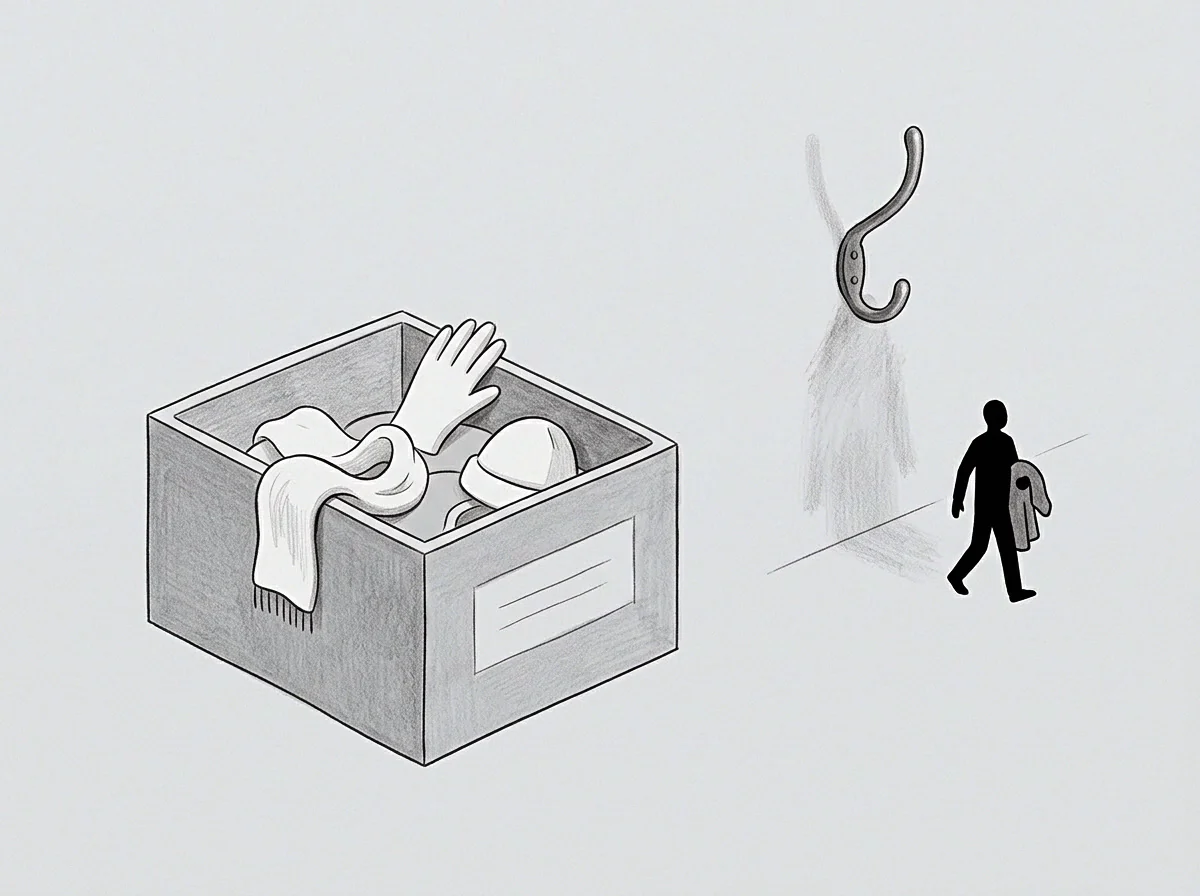
Initial operational stages rely on verbal agreements, shared repository access, and casual promises of equity. One individual provides software architecture, another drafts product documentation, and a third finances cloud infrastructure expenses. The absence of immediate financial compensation generates an implicit social exchange.
The contributor views labor as an investment that accrues value, while the venture operator views assistance as friendly help or temporary support. The counts run silently.
Statutory default provisions immediately attach to original expressions fixed in tangible media. Federal copyright statutes grant authorship to the physical creator of code, design files, or written text at the moment of creation. Without an explicit, signed written document transferring those rights to an entity, title remains with the individual contributor.
Equity expectations escalate quickly.
Informal contributions create shared asset ownership unless an explicit assignment writing redirects statutory rights to the enterprise.

The Absence of Written Assignments
Copyright statutes treat the creator of an original work fixed in a tangible medium as the initial owner. When multiple contributors integrate their expressions into a single product, the arrangement risks triggering joint authorship. Statutory joint authorship grants each contributor an undivided co-ownership interest in the entire work.
Statutory defaults govern unwritten deals.
This statutory structure creates severe asymmetry between operational input and legal control. A software engineer who wrote ten percent of an initial codebase holds equal statutory interest in the combined work if the contributions were created with the intention of merging into interdependent parts. Each co-owner retains the legal right to grant non-exclusive licenses to third parties without consent from other owners, subject only to an accounting for profits.
The contribution occurred during the formative months, created the foundation of the codebase, and earned an ongoing equity stake.

Supply
Statutory frameworks governing intellectual property allocate ownership based on authorship and inventorship rather than financial investment or organizational leadership. Capital contributions alone do not convey intellectual property rights under copyright or patent law. When an enterprise incorporates after development work has occurred, the pre-existing intellectual property does not automatically transfer to the new corporate entity.
The assets remain anchored to the individual creators who supplied the initial material.

Statutory Rules of Joint Creation
Joint authorship occurs when two or more authors prepare a work with the intent that their contributions be merged into inseparable or interdependent parts of a unit. Intent is evaluated at the time of creation, not during subsequent litigation. Courts examine whether the parties regarded themselves as joint authors during the build phase, evaluating commit logs, public announcements, and written communications.
Unassigned contributions introduce legal exposure during corporate financing. Institutional investors conduct asset audits to verify that the entity holds clean title to all proprietary assets. A single missing assignment instrument from an early collaborator introduces a cloud on title.
Title defects freeze institutional funding.

Economic Rights in Unassigned Inventions
Co-owners of a copyright hold independent rights to license the work non-exclusively to third parties without consent from other owners, provided accounting occurs for profits. In patent law, co-inventors may license the patent without consent and without any duty to account to other co-owners, absent a contractual agreement to the contrary. This rule creates immense vulnerability for commercial ventures.
A disgruntled former collaborator can license the core patent to a direct market competitor without sharing proceeds.
| Resolution Route | Statutory Ownership Shift | Financial Settlement Structure | Venture Due Diligence Impact |
|---|---|---|---|
| Statutory Joint Ownership Assignment | Full transfer of exclusive rights via signed assignment instrument. | Upfront cash payout, equity grant, or structured earn-out schedule. | Completely resolves title defect for institutional investors. |
| Non-Exclusive Implied License Defense | No transfer of ownership; title remains with creator. | Zero mandatory payout, though past compensation may be disputed. | Leaves underlying ownership split, creating residual financing risk. |
| Quantum Meruit Cash Settlement | Requires explicit release clause to transfer underlying IP rights. | Fair market value calculation for historical hours rendered. | Removes monetary claims but requires concurrent copyright release. |
Quantifying financial obligations under implied licenses involves evaluating consideration paid during development. If a collaborator received cash payments, invoices, or consulting fees, courts may infer a non-exclusive license allowing the venture to use the delivered work. Signed writings override informal notes.
However, a non-exclusive license does not prevent the creator from using the code elsewhere or licensing it to third parties. Unstated expectations regarding ownership escalate in financial terms at the exact rate of commercial capitalization.

Proof
Defending against co-ownership assertions requires documentary evidence capable of establishing intent, compensation delivery, or explicit non-exclusive licensing parameters. When informal collaborators surface post-launch, historical electronic communications constitute the primary evidentiary basis for evaluating legal rights. Contemporaneous records reveal whether labor was supplied as an arm-length vendor, an equity-seeking co-founder, or a voluntary helper.

Does an Unsigned Memorandum Transfer Statutory Copyright Ownership?
Federal copyright legislation explicitly mandates a signed written instrument to convey exclusive property rights. Unsigned emails, informal memoranda, slack messages, and draft agreements fail to satisfy the statutory writing requirement for exclusive assignments. Courts enforce this requirement strictly to ensure authors are not unwittingly divested of their statutory property rights.
An unsigned memorandum may, however, establish the existence of a non-exclusive license. If the collaborator created work at the venture’s request and delivered it for deployment, courts infer that the venture received permission to use the asset for its intended purpose. Implied licenses prevent total software shutdown.
Yet an implied license leaves statutory title with the collaborator, preserving their right to create derivative works or market competing software.
An unwritten understanding yields to statutory default rules whenever commercial capitalization forces an asset audit.

Evidentiary Traces of Intent and Consideration
Electronic messages, invoice payments, code repository logs, and project management tickets record operational context during early development. Cash payments establish economic consideration. Proof of compensation helps rebut assertions of co-ownership by demonstrating that labor was performed under a fee-for-service arrangement rather than a joint equity enterprise.
- Documented Compensation Traces establish that labor was rendered in exchange for immediate cash payment rather than equity accrual.
- Repository Management Records indicate whether commits were submitted under explicit contributor guidelines or open software permissions.
- Written Intent Messaging shows mutual consensus regarding the non-exclusive nature of the delivered technical assets.
- Scope Limitation Communications define the boundaries of the original project, preventing retroactive claims on subsequent software iterations.
Evidentiary audits must take place prior to initiating settlement communications with an informal collaborator. Evaluating commit logs, email archives, and financial ledger items allows management to assess whether the contributor holds a colorable claim to statutory joint authorship. Joint ownership creates severe operational deadlock.
A retroactive quitclaim assignment clause bundled with a cash release transforms an unliquidated co-ownership dispute into a clean asset transfer.

Score
Negotiated settlements balance the legal strength of a co-ownership assertion against the friction that open disputes introduce into venture capital rounds. Informal promises generate expensive legal disputes. Collaborators who provided uncontracted assistance often calculate their financial demands based on current corporate valuations rather than the market rate of their historical labor.
Resolving these demands requires separating historical service valuation from venture growth.

Valuation and Settlement Mechanics
Determining appropriate compensation for an informal contributor involves isolating the market value of services rendered from post-contribution valuation growth. Quantum meruit principles permit contributors to recover the reasonable value of uncompensated services to prevent unjust enrichment. Cash payments, equity options, or a combination of both serve as resolution currency.
Unassigned code limits corporate valuation growth. Calculating quantum meruit remedies involves analyzing prevailing contract rates for software developers or designers at the time the work was performed. If a developer rendered fifty hours of uncompensated architecture work when market rates were one hundred dollars per hour, the base quantum meruit value rests at five thousand dollars.
Collaborators frequently reject base quantum meruit figures, asserting that their contribution created the entire enterprise value.
Unsigned contributions remaining in a commercial codebase allow former collaborators to seek injunctive relief against ongoing distribution.

Structuring Buyouts and Releases
Settlement documentation secures a broad release of past claims while executing an explicit assignment of all past, present, and future intellectual property. The release instrument must cover equity rights, co-authorship assertions, breach of contract claims, and statutory inventorship entitlements. Uncertainty creates immediate commercial friction.
- Audit all code bases, design assets, and administrative records to identify every uncontracted contribution.
- Obtain legal opinion regarding whether the contributor holds a colorable claim to joint authorship or statutory co-inventorship.
- Initiate structured negotiations offering a defined settlement fee paired with a comprehensive intellectual property assignment and release instrument.
- Execute the binding settlement agreement prior to finalizing institutional investment terms or public commercial product launches.
Venture investors require complete execution of assignment documents before closing equity rounds. If a collaborator refuses cash buyouts, ventures must consider refactoring the codebase to eliminate the unassigned work. Replacing disputed code with clean, independently developed software removes the legal leverage of the informal collaborator.
Documentation determines commercial asset safety. Leaving an informal contributor claim unresolved before institutional due diligence creates a cloud on title that permits investors to freeze capital allocations or demand defensive indemnities.

Floor
Preventing future ownership disputes requires establishing standardized contractual protocols prior to accepting any external technical assistance. Clear contracts prevent retrospective equity claims. Operational hygiene mandates that every person who writes code, designs graphics, or formulates specifications signs a proprietary information and inventions agreement prior to touch point access.

Contractual Architecture for Future Operations
Standard proprietary information and inventions agreements bind all future operators, contractors, and advisory contributors before work commences. These agreements include explicit present assignment language, transferring future works to the venture at the moment of creation. Present assignment language avoids the necessity of executing prospective individual transfer instruments.
Work-for-hire doctrines apply strictly to employees within the scope of employment or to specific statutory categories of commissioned works accompanied by written agreements. For independent contractors, explicit assignment clauses are essential. The presence of clear contractual terms eliminates reliance on social exchange expectations or implicit ledgers.

Clearance Protocols Before Commercial Release
Operational hygiene protocols audit repository logs, design handoffs, and external software libraries prior to commercial distribution. Code scanning tools identify contributions from individuals who have not executed assignment agreements. Identifying uncontracted assets early allows ventures to rewrite software components or secure signed assignment forms before commercial value accrues.
When informal claims arise, prompt resolution establishes the operational floor necessary for institutional growth. Transitioning from informal reciprocity to explicit contractual terms secures the asset base, protects investor equity, and stabilizes corporate ownership structures.