
Restructuring Startup Capitalization Tables Constrained By Legacy Software Production Utility
Capitalization table restructuring recalibrates historical equity allocations when legacy software deprecation forces costly codebase replacement.

Floor

Initial Equity Allocation Built on Legacy Code Utility
Early software architectures built during product launch lose operational value as scaling demands change. An early technical contributor receives thirty percent of total shares for writing a prototype that breaks under enterprise loads three years later. The company holds an unadjusted equity ledger while spending fresh engineering hours replacing that early codebase.
Code creates silent obligations. Equity reflects early risk.
Capitalization tables engineered during early development mirror historical contribution speed rather than sustained architecture maintainability. When software production shifts from rapid prototyping to structural maintenance, the original code utility drops to zero. The equity allocation remains fixed at thirty percent.
The operator in the seat faces a systemic imbalance. Fresh capital inputs pay for refactoring while historical equity holders retain unearned capital yield.

The Hidden Toll of Substituted Technical Functions
Sustaining custom software architecture written by departing engineers consumes internal operational capacity. The team spends forty percent of weekly sprints patching legacy modules. The original author holds non-dilutive equity protection granted during inception.
Early contributions decay fast. Silence bills interest daily. The technical capacity left for modern feature development drops rapidly.
Take two partners who built for three years without a stated term regarding codebase deprecation. Assume the lead engineer holds forty percent equity based on initial software delivery. By year four, the software infrastructure requires a complete architectural rewrite.
The founder must recruit senior platform engineers who demand equity compensation from an already compressed share pool. The original engineer declines voluntary equity relinquishment, citing early risk absorption.
Unadjusted share pools create structural paralysis during subsequent investment rounds. New investors evaluate technical debt as an unstated corporate liability. The cost of technical replacement directly reduces company valuation.
Leaving early equity distribution unadjusted while rewriting core software forces ongoing dilution of incoming engineering talent during subsequent financing rounds.
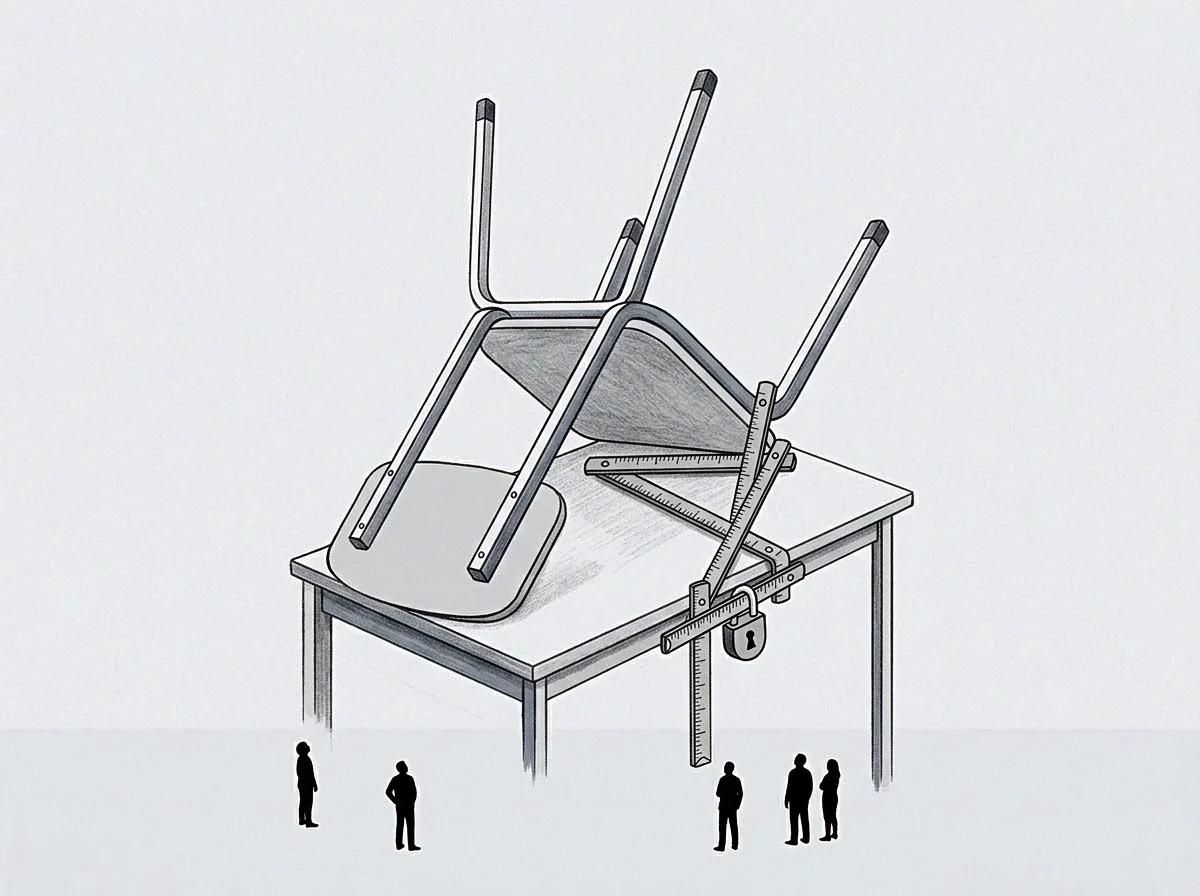
Friction

Technical Debt as Unstated Capitalization Table Liabilities
Stagnant code maintenance creates ongoing operational drag across engineering teams. Early software architecture decisions constrain capitalization table restructuring when share allocations remain tied to obsolete production assets. The score remains unstated.
Capacity replaces early promises.
Systemic misalignment deepens when incoming technical leadership identifies structural flaws in legacy production systems. The capital structure rewards historical authors who no longer maintain active repositories. Active maintainers operate with diminished share grants, creating attrition risks among core technical talent.
Uncorrected equity grants create proportional friction whenever legacy software requires complete architectural replacement before subsequent investment rounds.
Unstated equity expectations convert past technical service into perpetual ownership claims. Equity grants function as permanent capitalization rights unless clear maintenance benchmarks exist. When software utility collapses, unadjusted capitalization tables transfer structural debt directly onto incoming operators.
- Software Architecture Coupling binds legacy codebase maintenance directly to early engineering ownership claims.
- Refactoring Capacity Drain diverts current engineering focus away from customer deliverables into system recovery.
- Deferred Maintenance Interest compounds software failure risks while early share values remain static.
Valuation drops under debt. The ledger balances eventually. Corporate reorganizations triggered by legacy technical fragility force hard decisions regarding historical share reallocation.
The original software built the initial business value, so the equity percentage granted at inception ought to remain permanent regardless of code rewrites.

Score

Can Existing Technical Debt Force Equity Conversion Adjustments?
Quantifying technical liabilities enables objective ownership reallocation protocols. Institutional investors routinely discount startup valuation when software audits uncover fundamental system fragility. Software utility determines value.
Unstated debts split teams.
Third-party code audits translate architectural fragility into explicit financial adjustments. When refactoring estimates exceed historical software asset value, institutional board members demand capitalization table restructuring as a condition for bridge financing. The legacy developer’s equity pool serves as the primary source for fresh option pool expansion.
| Parameter | Legacy Architecture Constrained | Modernized Infrastructure Standard |
|---|---|---|
| Valuation Discounting Rate | 25 percent to 40 percent | 0 percent to 5 percent |
| Reallocation Reserve Percentage | 15 percent of total equity pool | 5 percent of total equity pool |
| Vesting Acceleration Multiplier | 0.5x on unvested shares | 1.0x standard schedule |
| Refactoring Capacity Drain | 45 percent sprint allocation | 10 percent sprint allocation |
| Data reflects standard venture debt and equity restructuring benchmarks following formal software audits. | ||
Formal valuation adjustments account for code replacement overhead before establishing series financing terms. The table reflects reality. Clean terms restore capacity.
A clawback clause tied to software deprecation milestones adjusts founder equity automatically when code rewrites exceed planned budgets.
Equity reallocation mechanisms isolate past technical contributions from future platform development. When early software assets reach end-of-life status, structural capitalization provisions reduce legacy equity tranches to protect active talent. A technical debt recalibration trigger reduces legacy share allocations by fifteen percent upon third-party audit verification of complete codebase replacement.

Clause

Contractual Mechanisms for Recalculating Capitalization Share Count
Legal terms convert informal ownership expectations into enforceable equity limits. Dynamic vesting schedules align ongoing share distribution with active maintainability deliverables. The refactoring takes time.
Formal terms prevent dispute.
Recalibration clauses enforce automatic equity clawbacks when software assets require full architectural replacement within thirtysix months of issuance. Equity adjustments proceed through structured contractual stages:
- Execution of a software assessment audit establishes baseline technical health before series funding.
- Implementation of performance-vesting tranche returns unvested legacy equity to the company treasury upon architecture deprecation.
- Issuance of replacement options to incoming senior engineers offsets technical refactoring delays.
Recalibration agreements convert non-performing technical equity into restricted stock units tied directly to verified software maintainability scores. When an early contributor exits operational duties, contractual terms restrict option exercise windows unless code maintenance metrics pass independent evaluation.
Technical equity grants without ongoing maintenance terms accumulate relational strain as software utility declines.
Contractual clarity replaces covert relational expectations with precise ownership thresholds. Whether board members can enforce equity clawbacks without triggering founder litigation remains dependent on early contractual definitions of technical deliverables.

Shift

Implementation of Capitalization Table Realignment
Executing an equity restructuring demands transparent communication backed by formal board resolutions. Board approval formalizes ownership reallocation while establishing technical benchmarks for future option grants. Drawing from classic organizational behavior research on structural adjustment, systemic changes succeed only when procedural rules apply uniformly across all stakeholders.
The systemic transition establishes sustainable equity governance across future development cycles.
Management teams initiate capitalization table restructuring by presenting audited software metrics directly to board members. The audit establishes precise cost projections for code replacement, justifying the creation of a specialized engineering option pool derived from diluted legacy shares.
Replacing obsolete software without adjusting capitalization table ownership leaves active engineers paying for historical technical debt.
Restructuring early equity pools protects incoming engineering leaders from unearned dilution. The revised capitalization structure binds future equity vesting directly to maintainable production code releases. The capitalization table reflects active operational contributions, protecting software velocity while preserving capital balance across successive funding rounds.