Meaning
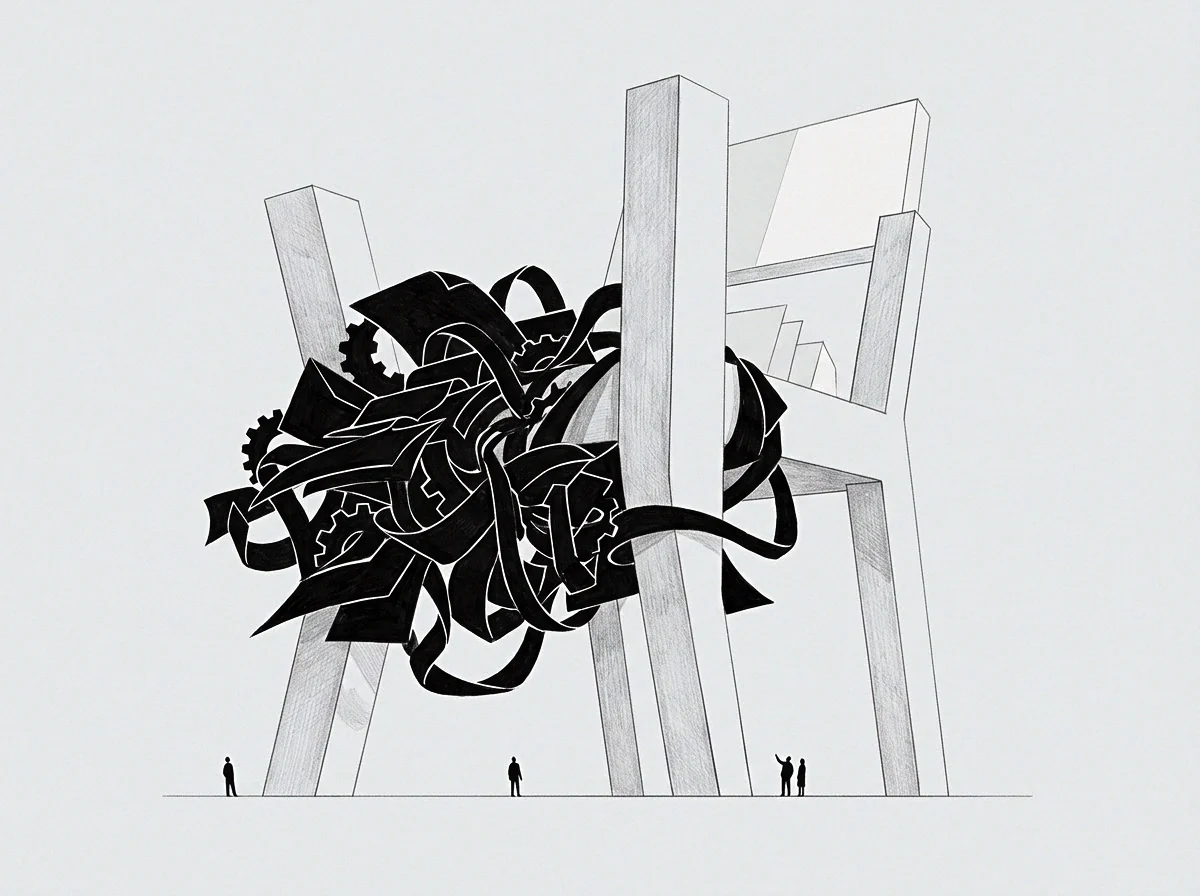
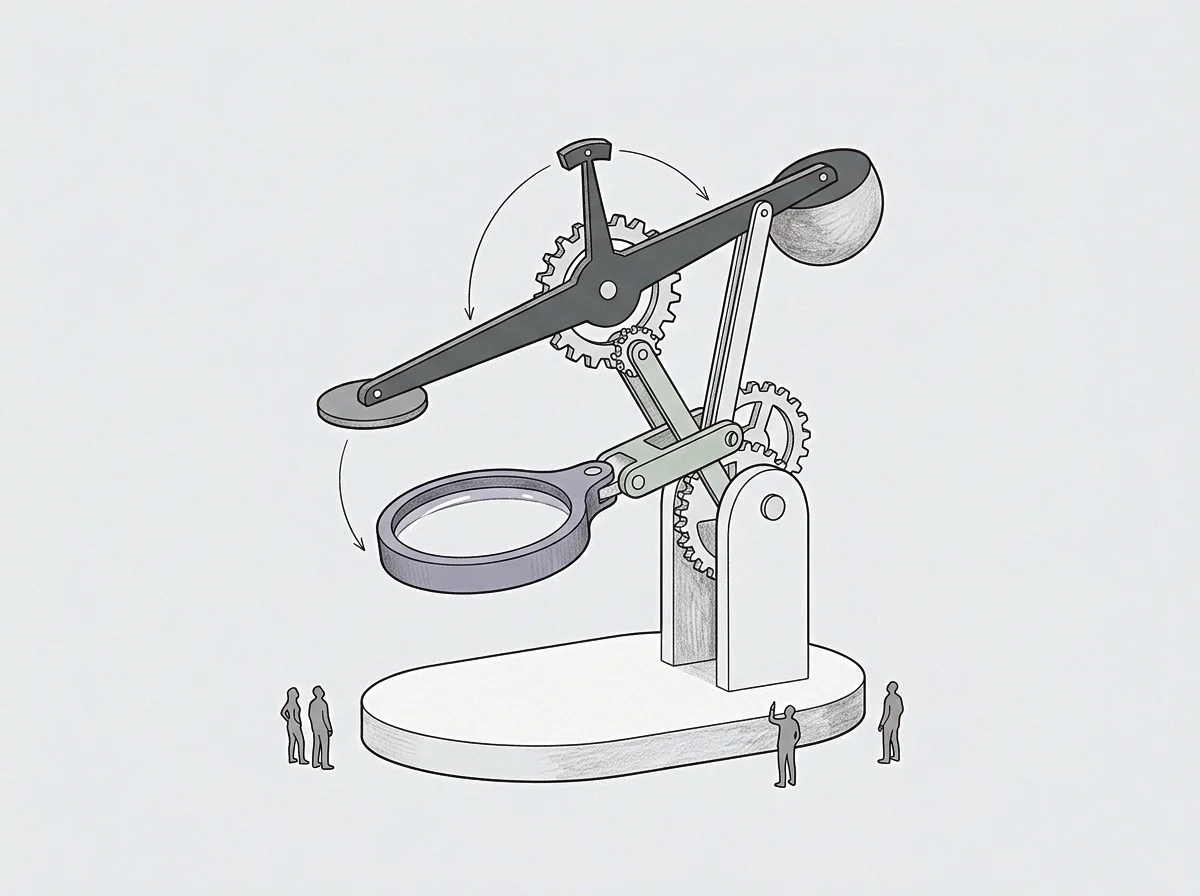
An equity distribution method adjusts ownership based on the actual inputs and performance of each team member over time. Applying dynamic vesting helps avoid early mistakes in equity splits by keeping shares aligned with the value each person delivers. This approach handles changes in team participation naturally.
Allocation Flexibility
Fixed equity splits often become unfair when some partners work harder than others. By contrast, a flexible model calculates equity dynamically based on hours worked, cash invested, and intellectual property generated. This method ensures that those who contribute the most own the largest share of the venture, which creates a highly motivated environment and prevents the early distribution of shares to people who might leave the company soon after.
Risk Reduction
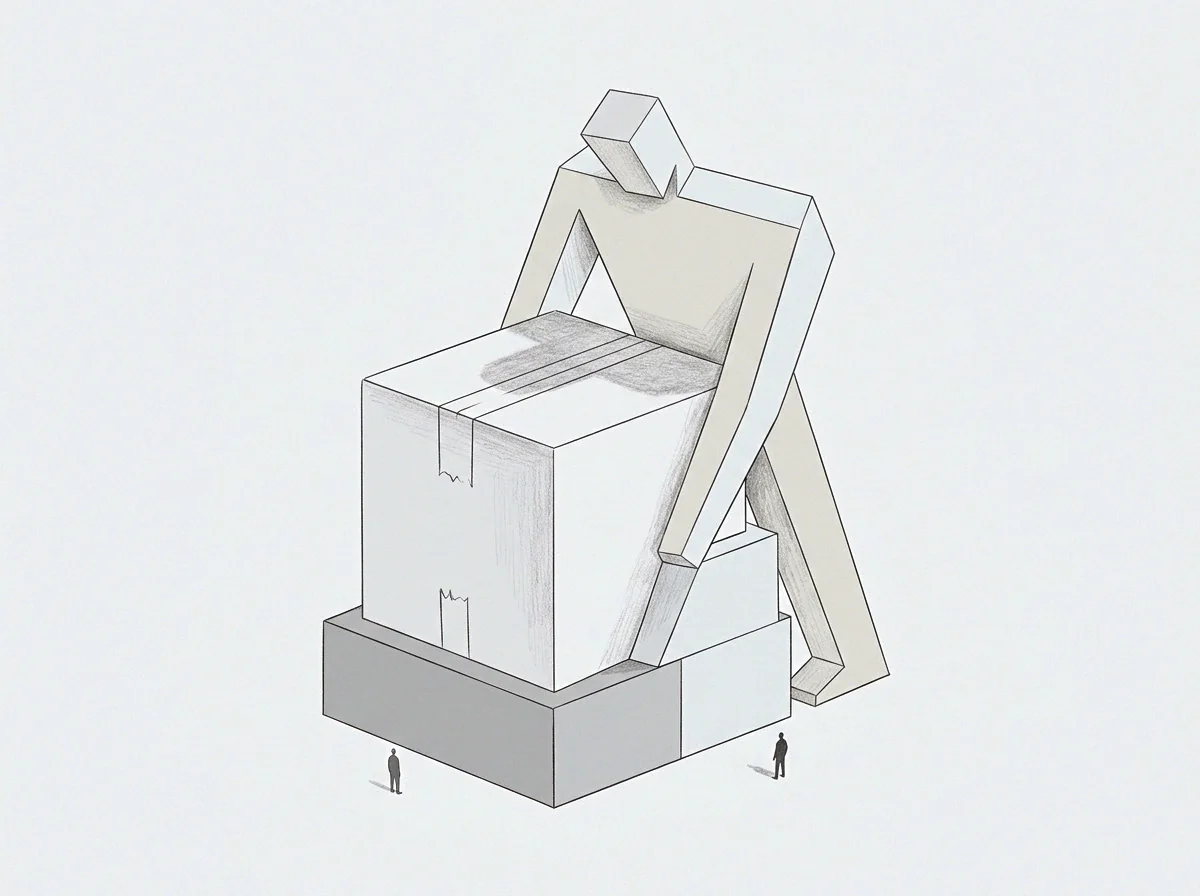
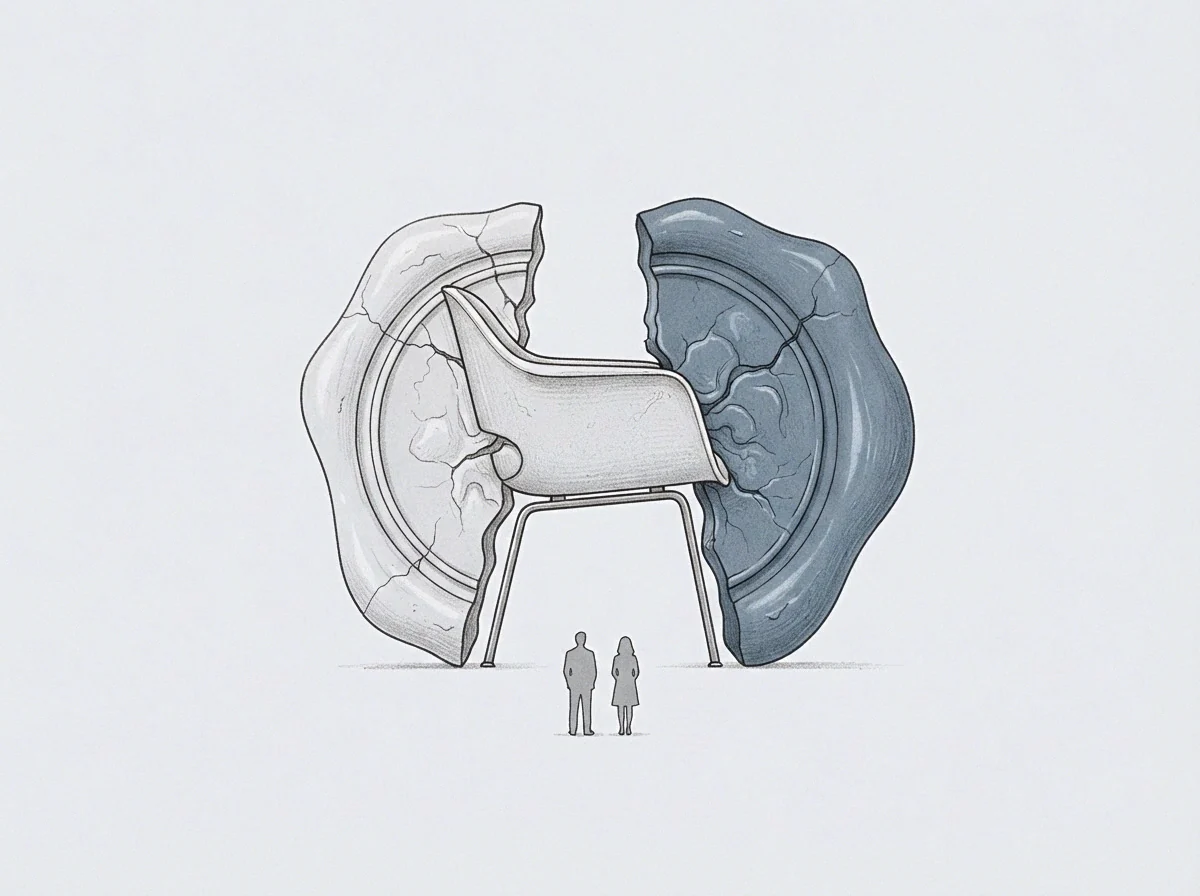
Team members are less likely to leave early when their equity depends on their continued work. If a partner leaves the company after a few months, their equity is automatically reduced to match their actual contribution. This protection prevents departing cofounders from walking away with a large block of shares.
Implementation Cost
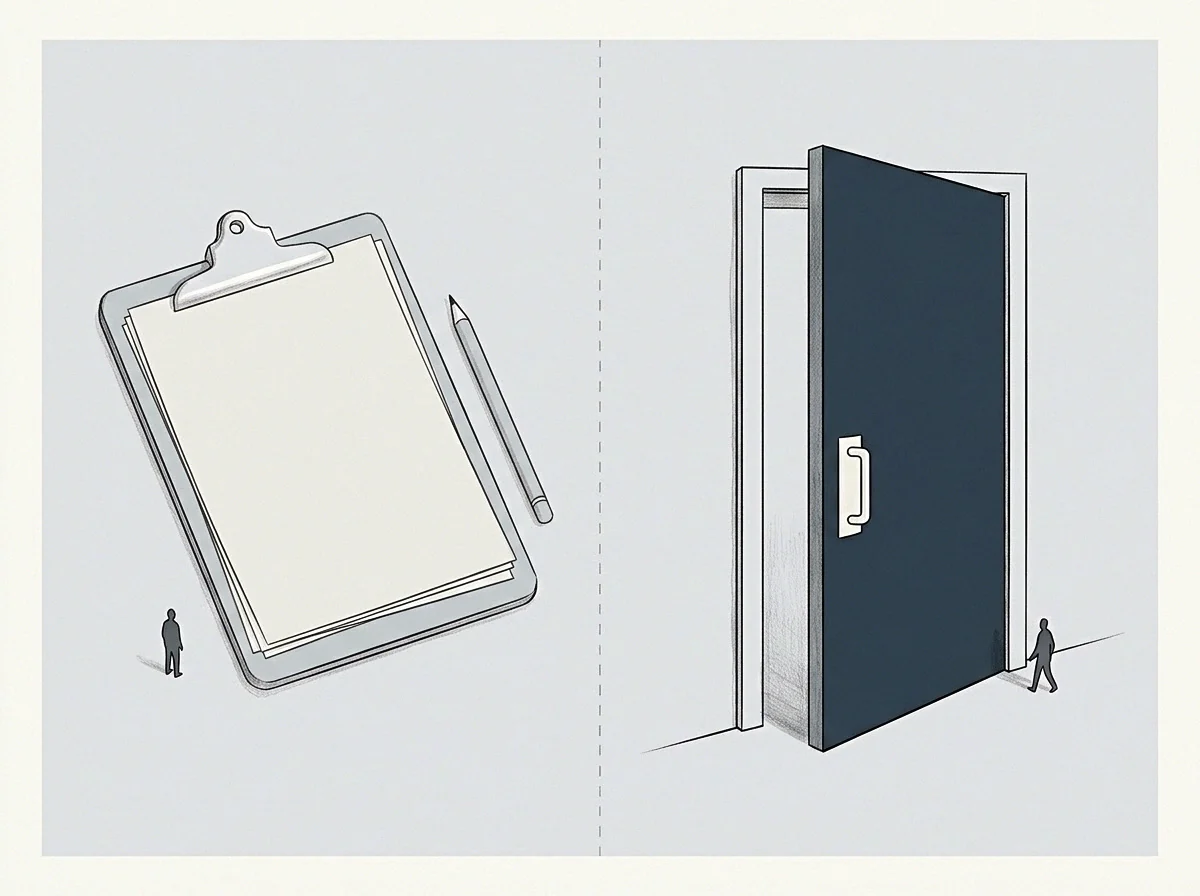
Setting up and tracking a flexible equity model requires consistent record keeping. The team must document all hours and contributions in a shared tracking system to avoid disagreements later. This administrative effort is the main trade off for having a fair and flexible equity distribution.