
Unquantified Value Contributions and Structural Rebalancing Terms Across Decadal Partnership Cycles
Decadal enterprise partnerships endure when structural terms separate non-dilutable founding equity from active operational stewardship adjustments.

Wall
In the ninth year of an enterprise, an operator pushes a single sheet of paper across a wooden conference table toward a co-builder. The page carries a formal capitalization schedule, three years of corporate filings, and a pencil note proposing an equity adjustment of fourteen percent. Across the quiet room, both people remember the summer the payroll account emptied, when one partner slept on an office cot for two weeks while the other negotiated vendor deferrals over a cracked landline phone.
Neither event appears on the page. The balance sheet records cash infusions and capital calls, leaving the three hundred midnight telephone calls and the reputational standing pledged during the second winter completely unrecorded.
Every commercial venture that endures across ten or fifteen years encounters this barrier. The formal legal agreements set early in the enterprise record capital, time commitments, and title. Meanwhile, an entire parallel inventory of unprompted interventions, emotional stabilization, personal financial exposures, and informal alliances accumulates in complete silence.
Social exchange theorists define this dual reality through the division between balanced exchange and generalized reciprocity. In balanced exchange, obligations settle rapidly under strict equivalences. In generalized reciprocity, one participant provides assistance without negotiating return terms, relying on a shared assumption that the venture itself absorbs and reflects the commitment over extended durations.
When unprompted assistance carries no immediate fee, the enterprise absorbs the intervention as an unstated obligation that surfaces during formal reorganizations.
Difficulties surface when the venture reaches institutional maturity. Outside investors, audit committees, and incoming executives recognize only formal paper. The partner who contributed unquantified relational glue, crisis stabilization, and silent client preservation finds their historical input rendered invisible by standard valuation models.
The partner who held legal titles and direct revenue channels points to the executed operating agreement, and resentment follows.
The resulting operational friction slows governance decisions, deadlocks equity distributions, and frequently produces an acrimonious dissolution where both sides feel thoroughly exploited.

Arrival
Distinguishing Provision From Presence
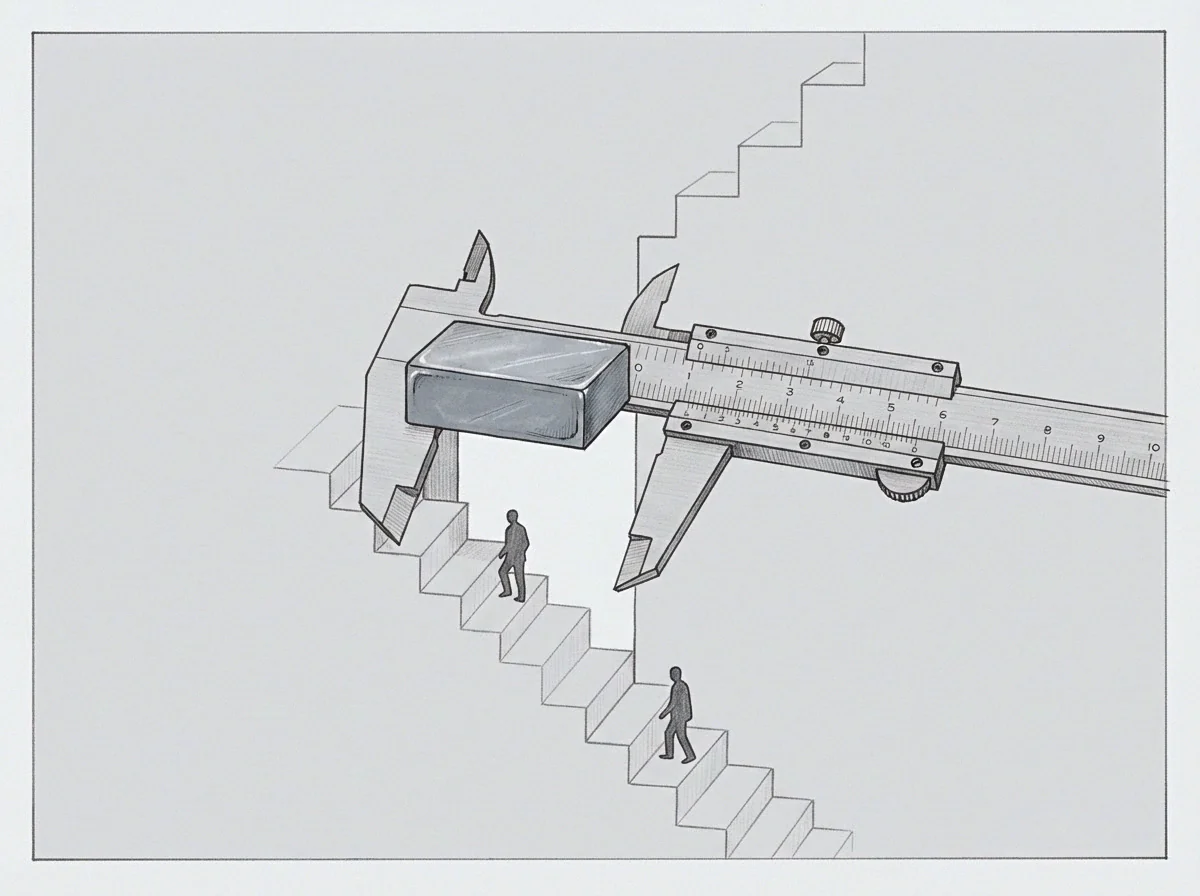
Commercial contracts define provision with exactitude. A contractor delivers software code, an executive directs operations, or an investor wires equity funds into an escrow account. These actions constitute explicit provision, governed by market rates and formal performance indicators.
Reciprocity operates under an entirely different social dynamic. It functions through unbidden participation. A partner steps into a catastrophic operational breakdown on a Sunday morning without requesting additional stock or compensation; they simply show up.
Anthropological studies of gift economies demonstrate that the social weight of an intervention resides in the timing and absence of negotiation rather than the cardinal value of the asset transferred. When an individual provides resources under contract, they fulfill an obligation. When a partner absorbs personal risk unprompted during an organizational crisis, they introduce an unquantified contribution that sits outside the commercial channel.
Sociological research on organizational citizenship behaviour confirms that high-performing teams rely on these spontaneous inputs to survive institutional shocks. Yet, standard partnership agreements contain no mechanism to recognize their occurrence.
Unprompted contributions preserve enterprise solvency during downturns while creating relational friction if left unaddressed across multi-year cycles.
Partnerships navigate three distinct operational channels across a decadal lifespan:
- The contractual channel defines legal equity, base compensation, formal intellectual property assignments, and fiduciary mandates established in official corporate records.
- The person channel contains mutual trust, emergency emotional capacity, personal introductions, and voluntary burdens sustained outside written scopes of work.
- The market channel governs fair value equivalents, replacement hiring expenses, vendor transactions, and standard arm-length enterprise negotiations.

The Conversion Trap
Tension intensifies whenever an actor attempts to convert an unquantified personal gift into a retroactive contractual claim. Consider an enterprise founder who spent seven years mentoring junior technical staff and hosting clients in their home. If that founder suddenly demands ten percent more equity during a series funding round to compensate for those unbilled hours, the partnership culture destabilizes.
The unprompted gift transforms retroactively into an unstated demand.
Sociologists studying gift exchange note that attaching an explicit price tag to a historical favour destroys the relational value of the original act. The counterparty feels ambushed. They did not consent to purchase those home dinners or late-night mentoring sessions at the proposed equity price.
What was given freely in year three becomes an explosive source of perceived extortion in year eight.
Generosity recognized in its own season strengthens a shared venture, while retrospective tallies poison the room.

Split

Structural Instruments For Enterprise Lifecycles
Long-term co-builders require concrete structural mechanisms to address shifting commitment levels without destroying the venture. Relying on goodwill alone across twelve years is reckless, as personal priorities change: marriages occur, aging parents require care, health deteriorates, and individual risk tolerances diverge. A founder who worked eighty hours each week during the founding phase may possess the capacity for only thirty hours by year seven.
Meanwhile, a silent co-founder may discover renewed capacity and assume day-to-day operational control.
Contractual agreements must anticipate these shifts through formal rebalancing provisions. Dynamic equity agreements and milestone-based adjustments offer structured paths to align legal ownership with evolving contributions. The partnership avoids destructive relational confrontations by drafting explicit recalculation triggers into the foundational operating agreement.
| Rebalancing Mechanism | Trigger Condition | Relational Impact | Operational Cost |
|---|---|---|---|
| Dynamic Vesting Recalibration | Executive departure or substantial hour reduction | Preserves operational fairness while terminating active unearned equity flow | Demands quarterly self-reported milestone verifications |
| Synthetic Profit Participation | Unquantified strategic client introduction | Rewards exceptional personal contributions without diluting governance voting seats | Diverts immediate operational distributions from growth reserves |
| Decennial Buyout Option | Completion of ten operational fiscal years | Provides dignified exits for fatigued founders without bitter personal disputes | Depletes treasury cash reserves or mandates debt financing |
| Sabbatical Equity Freezes | Temporary personal withdrawal exceeding six months | Protects partnership continuity while honoring personal recovery leaves | Requires temporary management replacements at market rates |

Designing Formal Rebalancing Windows
Assume two co-owners start an enterprise on an equal fifty-fifty split. By year six, the technical partner carries all ongoing product development, while the commercial partner operates purely in a board capacity, having delegated revenue operations to salaried executives. The unquantified contribution ratio has inverted.
Continuing with static ownership generates intense bitterness. The active technical partner resents the inactive partner drawing identical distributions. The inactive partner feels entitled to the split based on early venture creation.
A structured five-year review term resolves this friction. Under this provision, equity ownership splits into base enterprise equity, which remains non-dilutable and honors early establishment, and active contribution equity, which requires ongoing operational stewardship. If an active owner leaves operational employment, their active tranche converts into non-voting preferred stock or enters a scheduled buyback.
The ownership structure adjusts systematically without requiring either person to accuse the other of betrayal.
Partnerships structure structural flexibility through three operational terms:
- Contribution lookbacks establish predetermined calendar dates every three years to review time allotments, strategic inputs, and fair profit-sharing distributions.
- Governance reallocations separate financial equity rights from active board voting control as operational participation wanes over decadal horizons.
- Redemption schedules outline precise valuation formulas for departed principals, avoiding subjective disputes regarding brand equity or historical sweat equity.
A structured dynamic adjustment clause establishes that any founder stepping below half-time involvement for two consecutive quarters automatically transfers ten percent of operational voting equity into the enterprise employee retention pool.

Hand

The Realities Of Interdependence
Formal contracts establish legal boundaries, yet human partnerships survive on subtle everyday assistance. An operator steps in to finish an executive briefing when their colleague falls ill. A technical lead covers a production deployment so a partner can attend a family funeral.
These small acts represent the genuine fabric of enduring businesses. They cannot be mandated by contract. They occur because two people have decided to share professional fate.
Organizational psychologists examining psychological safety note that ventures thrive when participants feel confident their unmeasured loyalty will not be weaponized against them. When an enterprise becomes hyper-contractual, tracking every minute and charging for every introduction, spontaneous assistance disappears and enterprise resilience erodes. Workers do only what their job description specifies, causing crisis response times to collapse.
Every enduring partnership demands uncalculated personal effort to survive its earliest chaotic seasons.
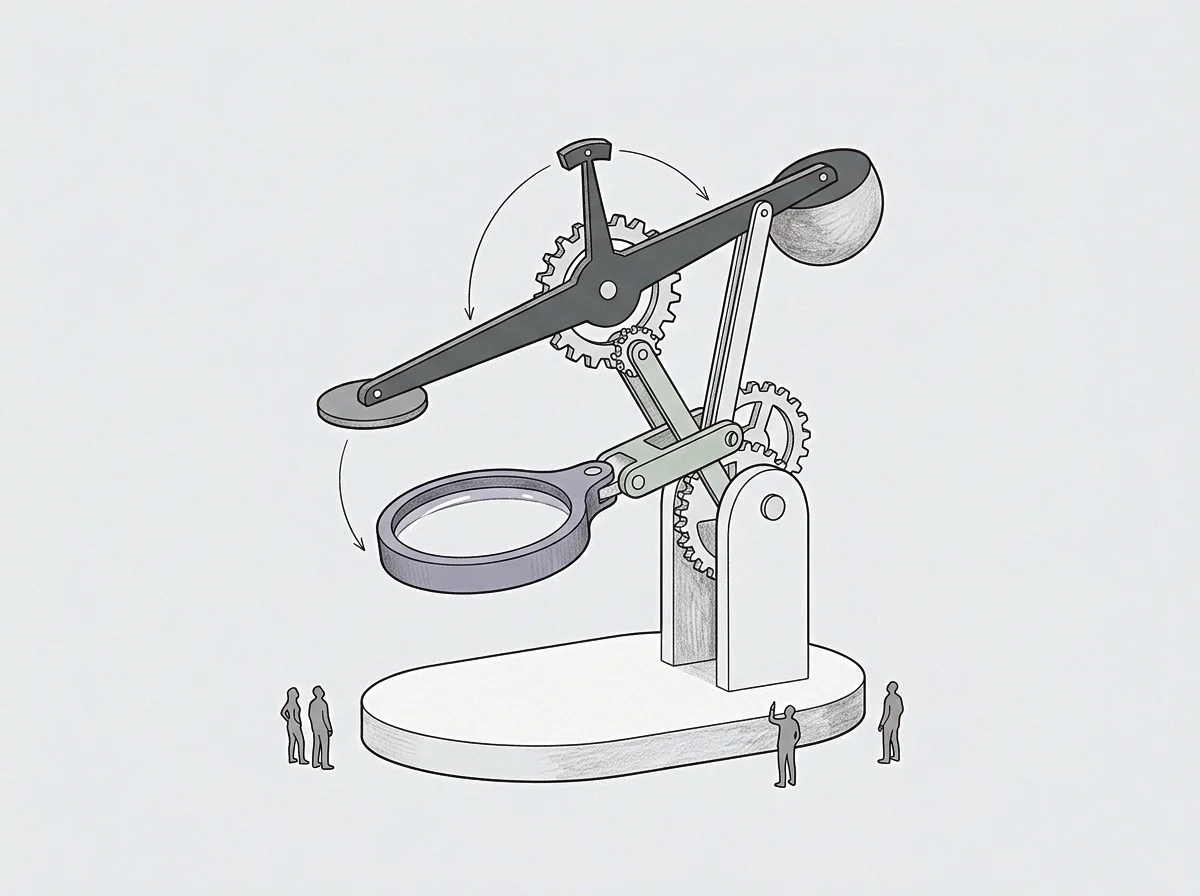
Preserving this capacity requires distinguishing between mutual commitment and exploitative extraction. If one partner consistently delivers uncompensated emergency support while the other extracts maximum contractual distributions without returning assistance, generalized reciprocity collapses into negative reciprocity. One party absorbs continuous personal strain while the other hoards capital and leisure.
The imbalance eventually breaks the working bond.
The aggrieved partner realizes that their voluntary interventions have served only to subsidize their peer’s indifference.
Term

Establishing Explicit Multi-Year Rebalancing Boundaries
Preventing partnership decay demands transparent conversational cadences before resentment calcifies. Waiting until year ten to address five years of structural imbalance guarantees failure. Successful executive teams implement decadal review frameworks with defined operational checkpoints.
These scheduled conversations remove the stigma of renegotiation. Rather than treating an equity discussion as an emergency confrontation, partners treat structural realignment as a standard operational milestone.
During these sessions, participants explicitly address both recorded milestones and unquantified inputs. They review who carried exceptional emotional strain, who made crucial unbilled introductions, and who sacrificed personal stability during market downturns. While these contributions rarely alter historical capitalization tables directly, they inform future compensation adjustments, bonus allocations, and governance transitions.
Partnerships sustain longevity when structural agreements evolve alongside the physical capacity of the human beings who formed them.
The enterprise survives when partners learn to honor the gifts that built its foundation while executing the contractual terms necessary to sustain its maturity. The founder who gave everything during the startup years deserves dignified acknowledgment and appropriate financial rewards. The executive operating the business today deserves clear operational control and unencumbered equity incentives to build the next decade.
The central question remains whether a business structure can ever fully honor historical, unquantifiable personal devotion without paralyzing the economic incentives demanded by incoming operational leaders.