Meaning
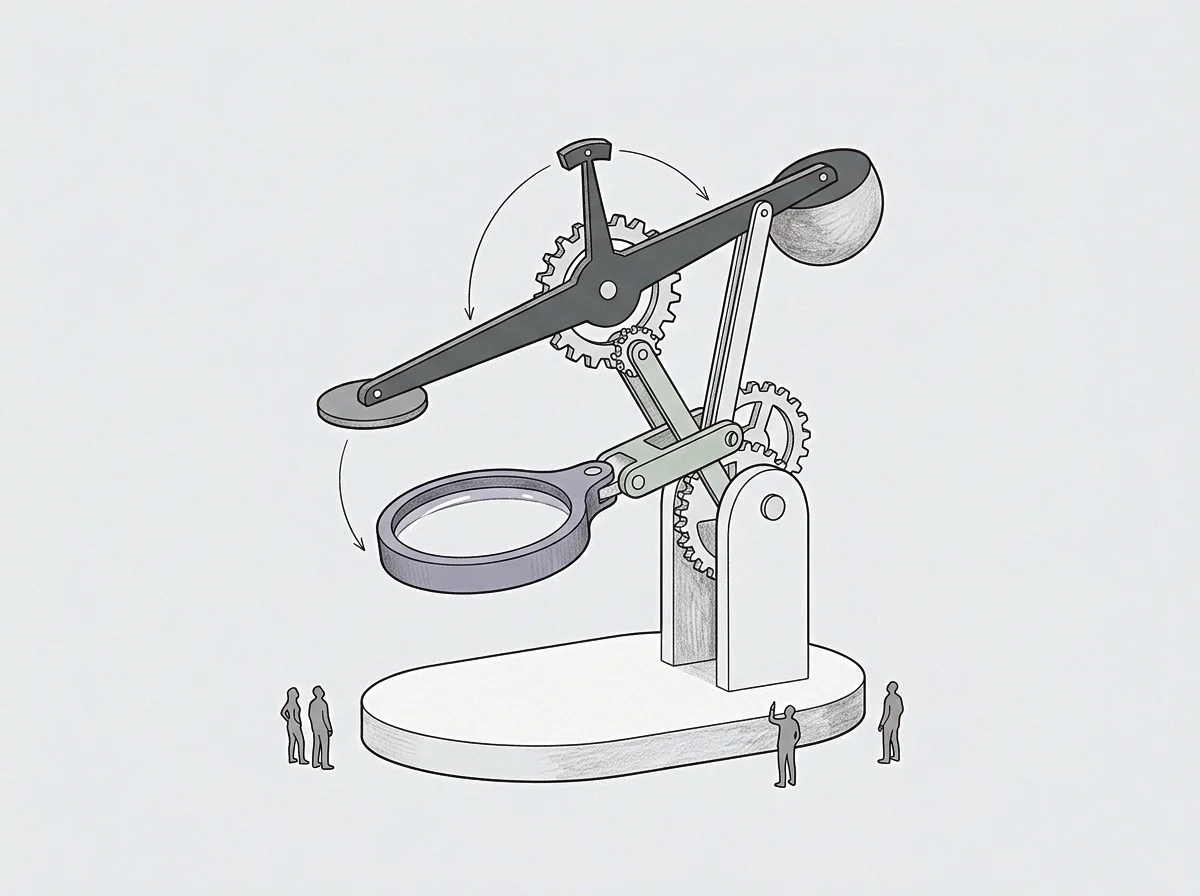
Ownership percentages undergo a formal adjustment when the original distribution of shares no longer matches the current contributions of the founding team. This equity recalibration corrects for early mistakes in judging the long term commitment or technical capability of different partners. It occurs during a funding round or a major organizational shift to ensure that those doing the work hold the appropriate incentives.
Valuation Shift
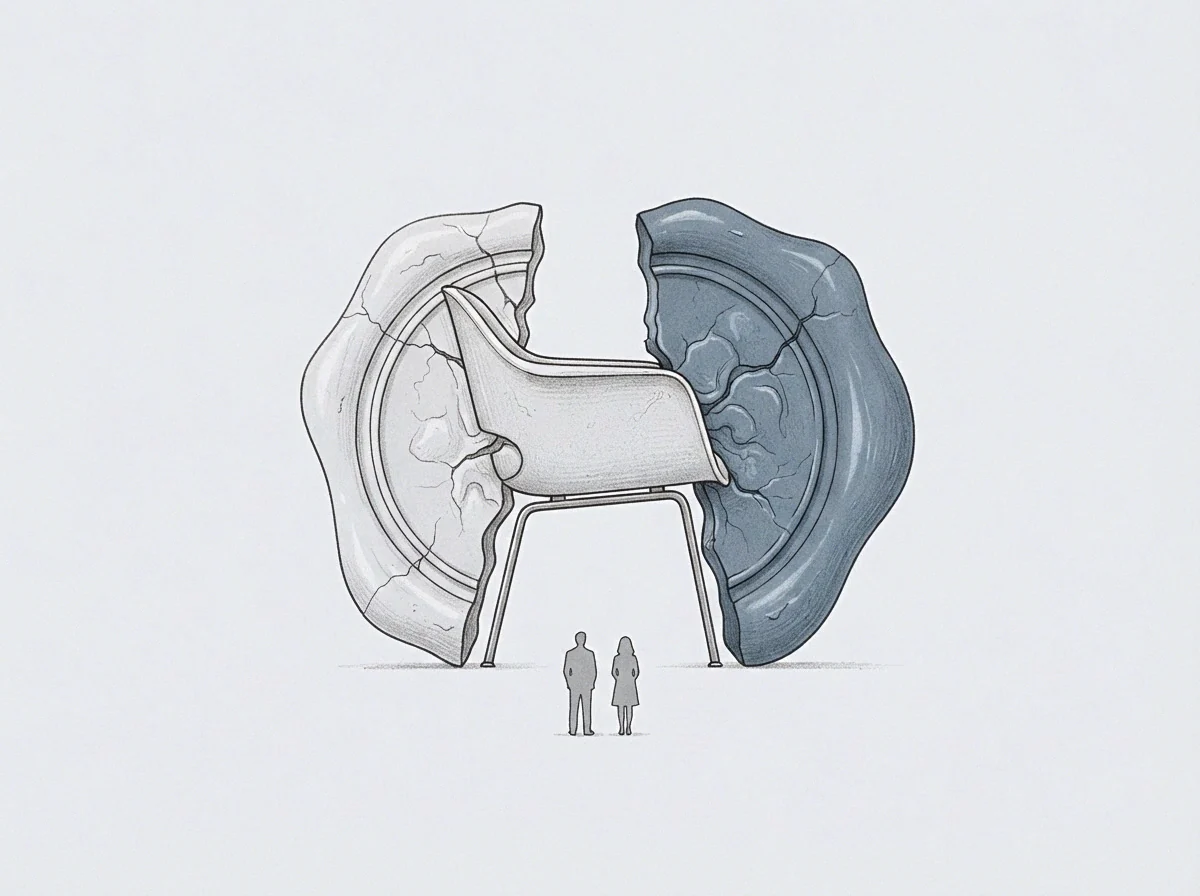
Changing the cap table requires the consent of all affected parties and often involves a legal amendment to the shareholders agreement. The equity recalibration is driven by the realization that the original split was based on speculation rather than performance. By aligning ownership with actual results, the company ensures that its most valuable members remain motivated to continue their work.
Implementation Method
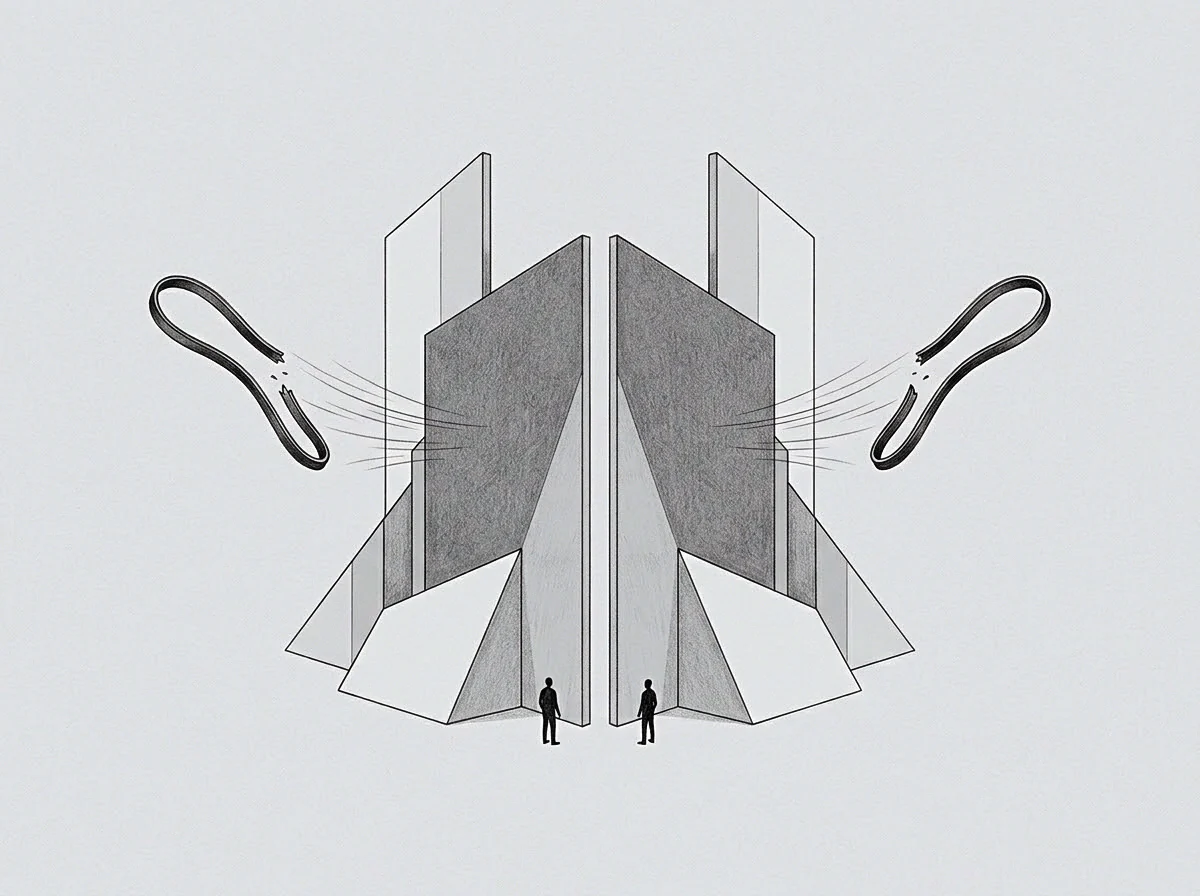
Dynamic models or milestone based vesting are sometimes used to automate this process. An equity recalibration might also be triggered by a specific event, such as a founder moving from a full time to a part time role. This approach allows the organization to be flexible as the needs of the business and the capacities of the individuals change over time.
Operational Benefit
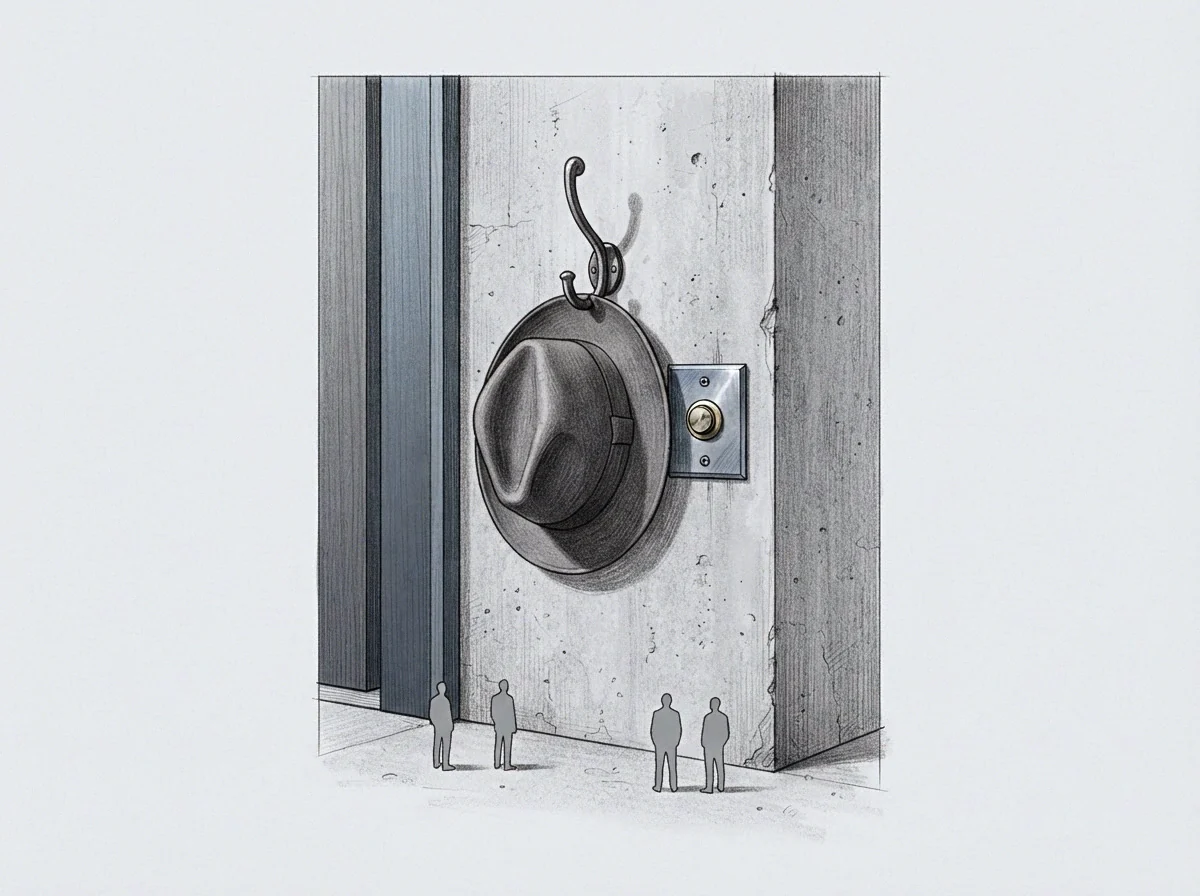
Removing the resentment caused by an unfair distribution of ownership stabilizes the internal governance of the firm. While the equity recalibration can be a difficult negotiation, it prevents the greater risk of a key person leaving because they feel undervalued. The resulting structure provides a more defensible basis for future investments and a clearer path for the company to achieve its goals in a competitive environment.