
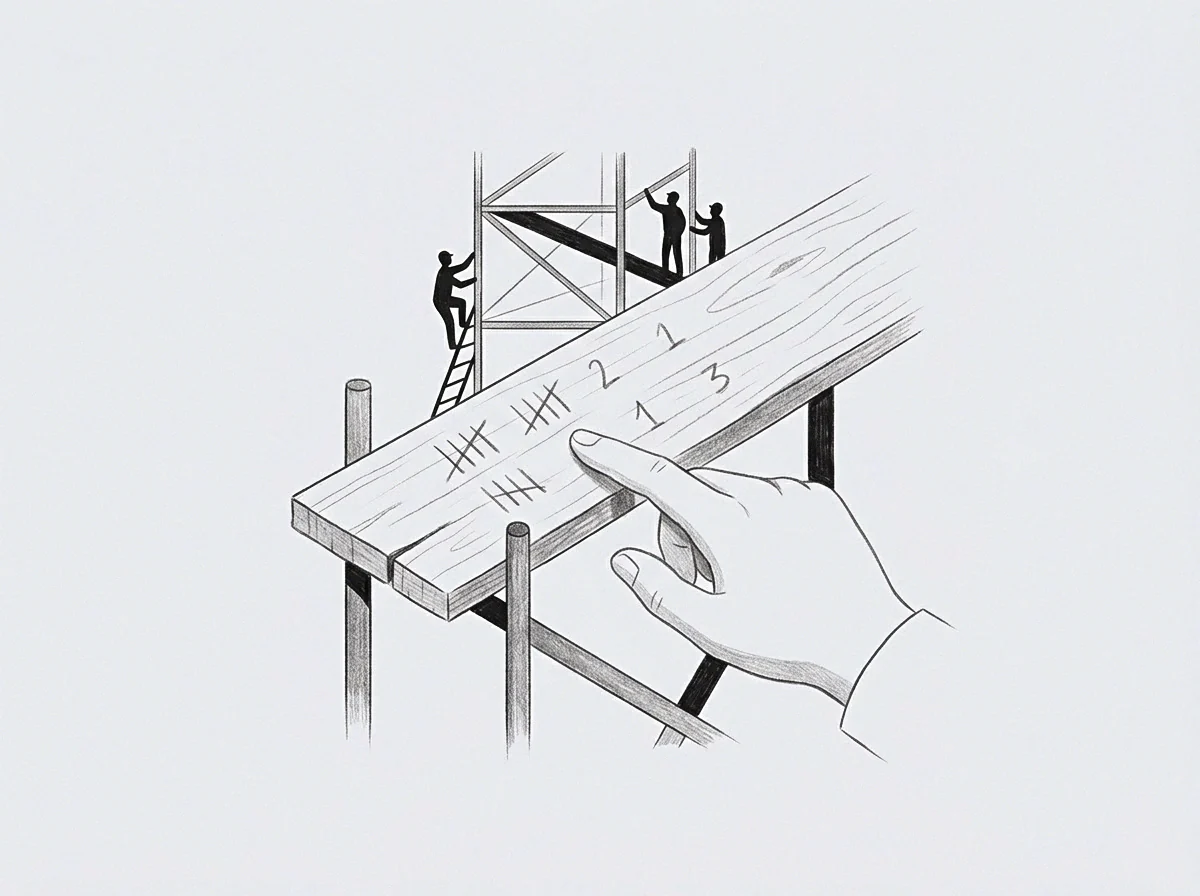
Calculating Fair Sweat Equity Allocations Before Formal Incorporation
Pre-incorporation sweat equity relies on market shadow salaries and risk multipliers to convert unpaid labor into formal ownership percentages at incorporation.
Pre-incorporation sweat equity relies on market shadow salaries and risk multipliers to convert unpaid labor into formal ownership percentages at incorporation.

Contribution multipliers convert uncompensated operational time and liquid expenditure into variable equity points that rebalance cap tables until explicit freeze triggers occur.

Contractual recalibration multipliers adjust unvested founder equity vesting rates automatically based on objective operational milestones and time commitments.

Retrospective sweat labor converts into equity by multiplying imputed cash salary deficits by seed risk factors before allocating restricted equity.
Stating forward performance conditions early converts private equity assumptions into visible milestones, preventing perceived breach during share reallocation.

Unstated early contributions create covert debt claims that disrupt formal founder equity allocations unless unbundled from prospective delivery capacity.

Pre-incorporation code is valued via risk-adjusted market replacement cost rather than speculative future revenue to balance against liquid capital.

Dynamic sweat equity multipliers and deferred service debt instruments quantify uncompensated founder labor into structured equity claims or formal liabilities.

Retrospective equity discrepancies resolve by converting unbilled operational labor into subordinated convertible debt or milestone-vested restricted stock.

Early co-founder conflict emerges when unstated operational expectations form covert contracts that breach without legal remedy upon divergence.
Remediating unwritten equity commitments requires converting unrecorded historical labor into formal restricted stock, option grants, or debt backed by IP assignments.

Co founder vesting schedules protect cap tables by subjecting allocated shares to time cliffs and repurchase options upon early operational departure.

Early founder sweat equity converts to legal ownership through restricted stock agreements with explicit vesting and Section 83b tax elections before venture pricing.
Early partner operational separation adjusts equity through reverse vesting or buybacks to align cap table ownership with ongoing contribution.

Co-founders recalibrate equity through explicit reverse vesting repurchase options, mitigating capital shift taxes and operational overhang when commitments fail.

Early contribution multipliers resolve equity disputes by scaling documented cash and replacement labor costs into objective, risk-weighted equity allocations.

Contingent equity allocation protocols resolve contribution mismatches by automatically adjusting founder ownership percentages through pre-stated risk-weighted input formulas.

Dynamic vesting mechanisms continuously adjust co-founder equity ownership based on real-time capital contributions, market labor gaps, and achieved milestones.

Transitioning early co-founders from implicit expectations to formal equity requires converting unstated contribution claims into legally enforceable vesting schedules.

Static equity allocations decay when fixed ownership percentages cease reflecting the ongoing operational work and capital required to sustain a corporate partnership over time.
Early equity allocations to commercial partners create permanent dilution unless contingent share issuances tie directly to verified performance milestones.

Pre-incorporation equity division standardizes past unquantified sweat and future operational commitments into formal legal structures before incorporation.

Early contribution multipliers convert unpriced inputs into equity claims that collide with unstated relational expectations during formal capitalization.
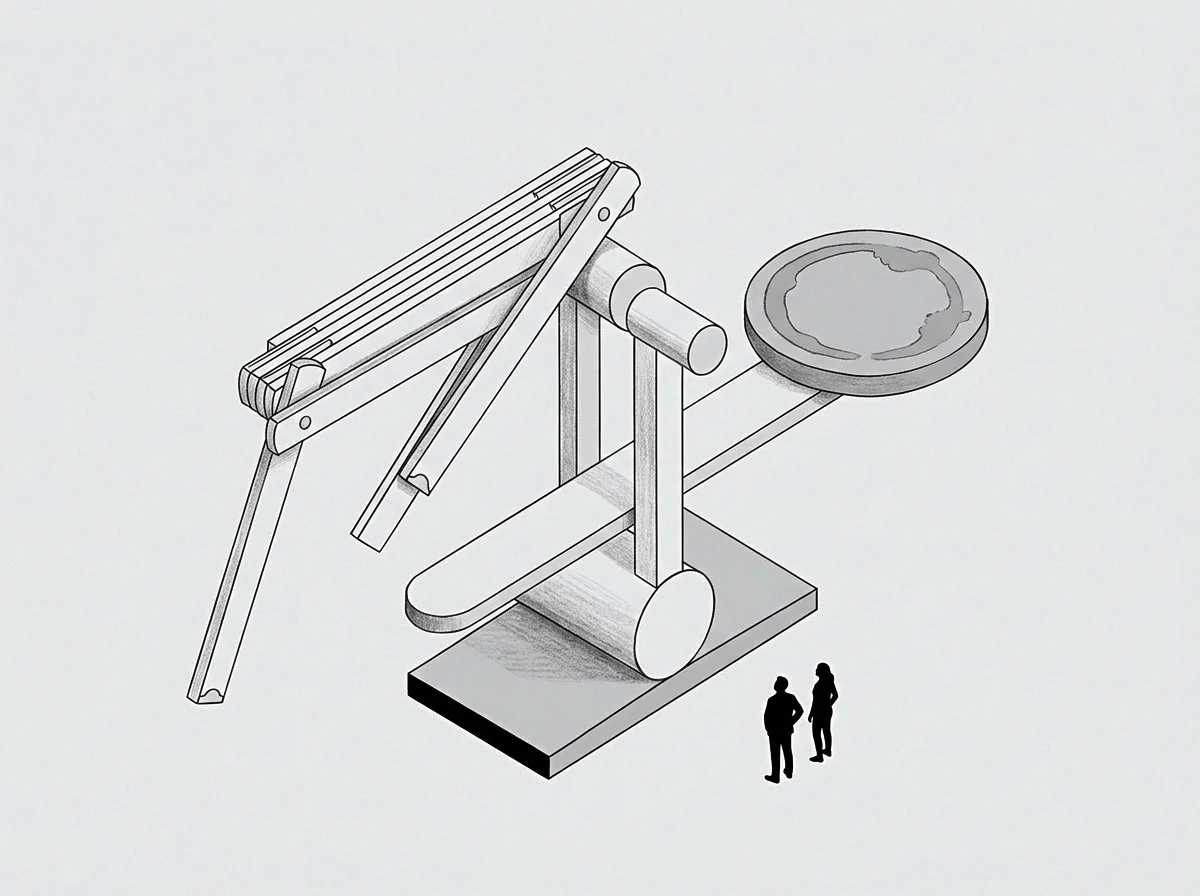
Technical founder dilution balances against pre-incorporation code value when capitalization agreements explicitly separate historical asset equity from forward labor.
The terms are written where they belong. Each field holds three desks, and every entry a desk writes raises the terms it uses, each term given a meaning, a mechanism and the places it appears. The record on these pages stays first person and hand made; the fields grow the nomenclature.