

Early Phase Equity Allocation Mechanics for Founders
Early equity allocation functions as an exchange of forward labor for fixed ownership governed by vesting schedules, stated milestones, and repurchase terms.
Early equity allocation functions as an exchange of forward labor for fixed ownership governed by vesting schedules, stated milestones, and repurchase terms.

Unstated contribution expectations create psychological contract breaches because calendar vesting rewards elapsed time rather than active operational output.

Early equity splits hold only while operational burdens match initial assumptions, requiring structural reallocation once contributions permanently diverge.

Performance-contingent equity allocation releases ownership to early participants only when verified commercial or technical deliverables are met.

Dynamic equity allocation replaces unstated relational assumptions with calculated input tracking, exposing psychological contracts to legal precision.

Retrospective equity clawbacks resolve only when informal contribution grievances are replaced by structured legal buybacks separating control from economic upside.

Dynamic equity metrics distribute early ownership by weighting contributed capital, uncompensated labor, and vesting milestones against operational risk.

Operational convertible debt held by departing co-founders requires formal conversion or forgiveness to prevent sudden tax liabilities and cap table encumbrances.

Early uncompensated startup labor functions as an unpriced social exchange that destabilizes capitalization tables unless converted to dynamic vesting equity.

Unstated early sacrifices create diverging covert expectations that convert into destructive equity disputes when formal corporate ownership is established.

Resolving historical founder contributions against unvested equity separates past unquantified efforts from forward-looking vesting schedules.

Early founder equity splits turn initial unstated expectations into structural conflict when static divisions precede measurable operational contributions.

Early founder sweat equity converts to legal ownership through restricted stock agreements with explicit vesting and Section 83b tax elections before venture pricing.

Founder equity split negotiation converts qualitative commitments and risk allocations into legal share vesting rules that protect the enterprise from future operational drift.

Retroactive intellectual property transfers cure pre-incorporation title defects by exchanging formal consideration for absolute assignment of historical work.

Initial equity split terms assign ownership percentages and vesting conditions to align long-term founder incentive with realized contribution.
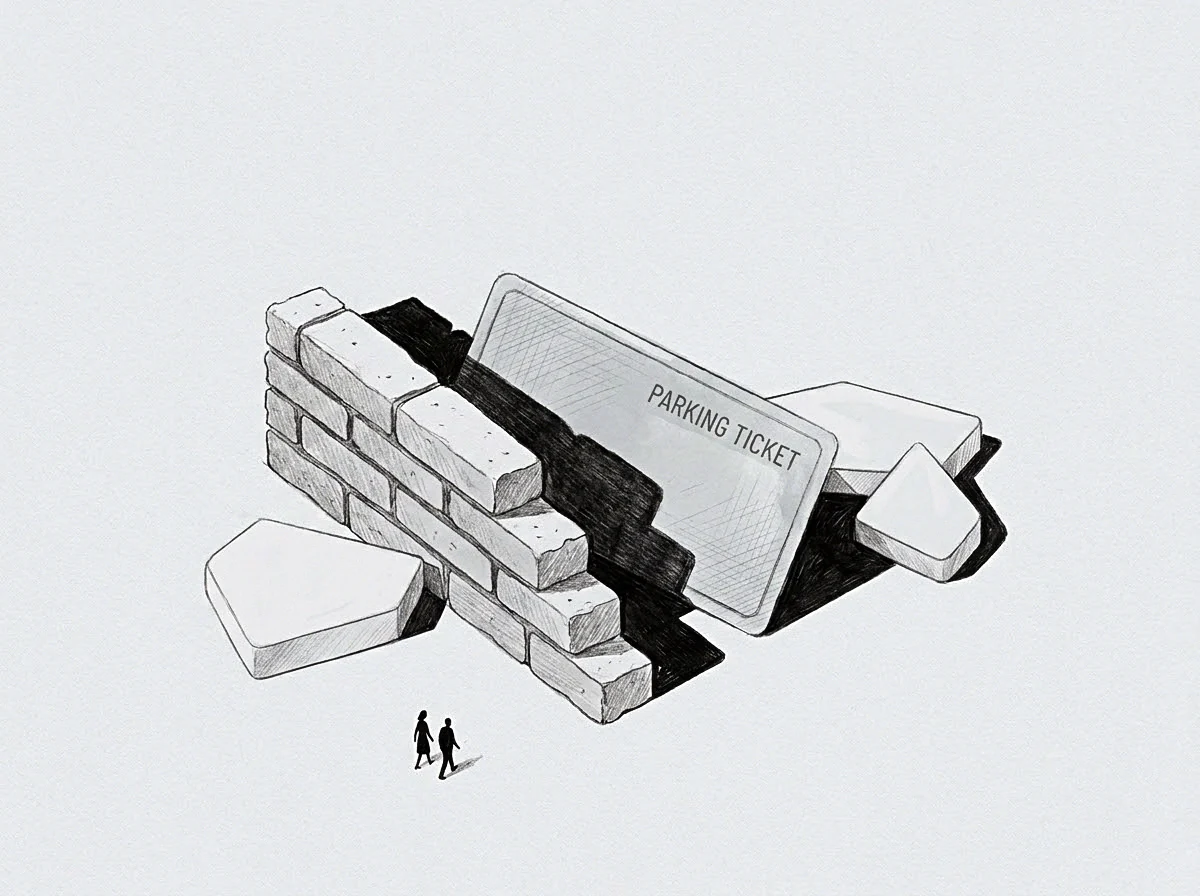
Dynamic equity allocation and structured vesting schedules prevent co-founder conflict by binding ownership to verifiable contributions rather than early emotion.
The terms are written where they belong. Each field holds three desks, and every entry a desk writes raises the terms it uses, each term given a meaning, a mechanism and the places it appears. The record on these pages stays first person and hand made; the fields grow the nomenclature.