Meaning
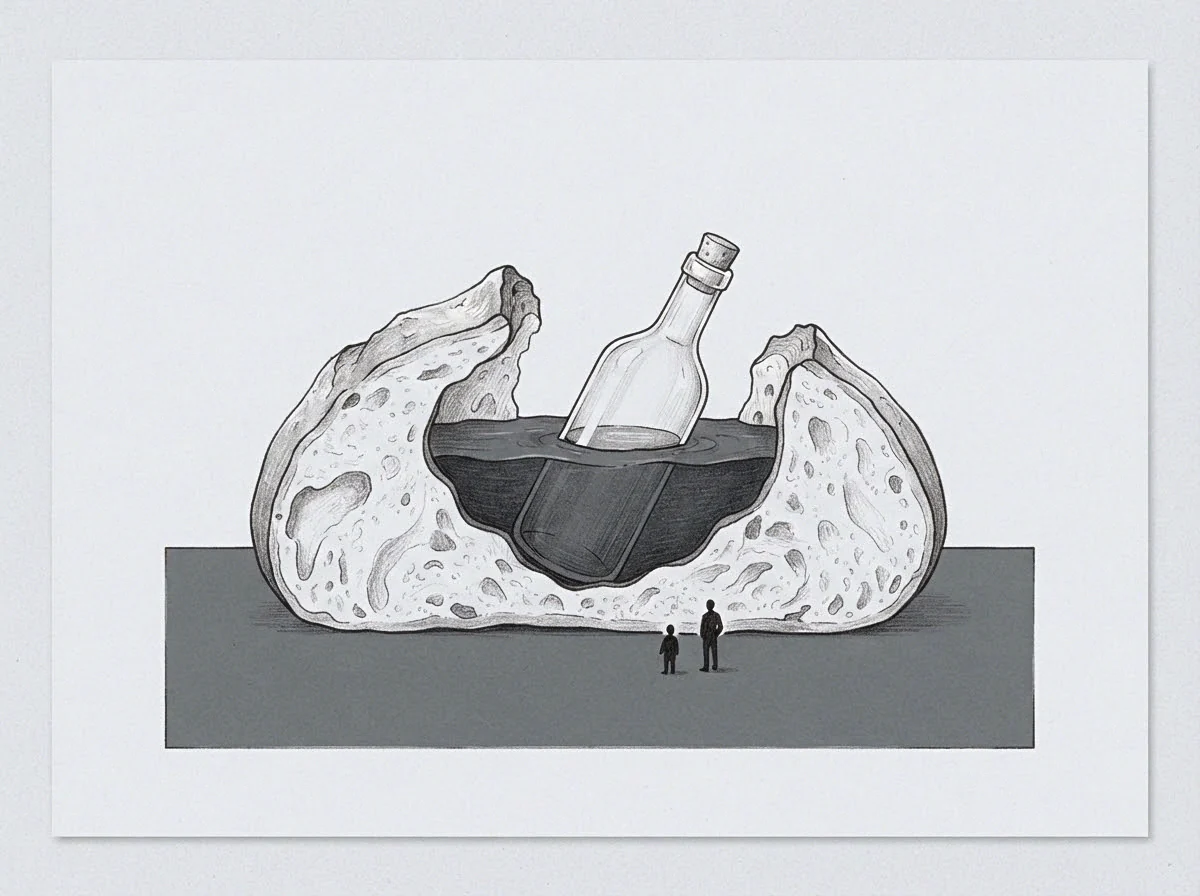
Legal right of a company to buy back shares from a holder under predetermined conditions ensures that ownership stays within the active team or the treasury. A repurchase option usually triggers when a shareholder leaves the company or tries to sell their stake to an unapproved third party. The right expires according to the specific timeline defined in the shareholder agreement or the bylaws.
Control Retention
Keeping the cap table clean allows the company to make decisions without the influence of outsiders or former partners. A repurchase option gives the board the power to prevent a competitor from buying into the firm. This protection is vital for maintaining the strategic direction of the business over many years.
Price Determination
The agreement specifies whether the shares will be bought back at fair market value or at the original purchase price. This price determination is a core component of the repurchase option.
Treasury Logic
The firm exercises this right to recycle the equity for future use in hiring new leaders. When a repurchase option is used, the shares return to the company and are no longer counted as outstanding. This action increases the percentage of the company owned by the remaining shareholders without them having to pay for new shares.
It functions as a way to maintain the equilibrium of power within the founding group. Total cash must be available on hand to pay the departing shareholder for the shares.