
Managing Unstated Covert Contracts When Founder Capacities Diverge Over Extended Time
Unstated covert contracts dissolve when organizations separate historic equity rights from active labor value through explicit governance agreements.
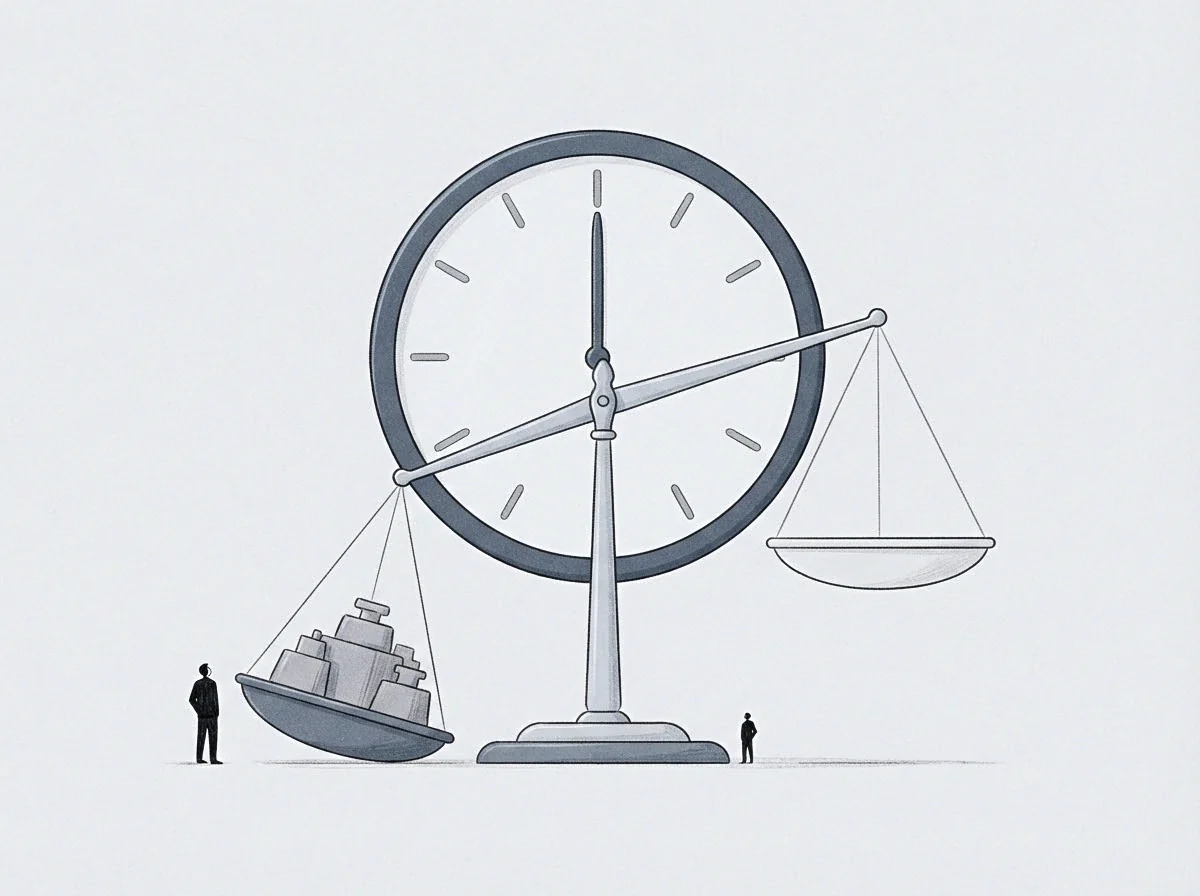
Pace
Two operators begin an enterprise with identical seventy-hour weeks, shared desk space, and unwritten expectations of perpetual parity. Four years later, one partner manages forty engineers while the other executes localized testing workflows, yet both draw equal distributions based on an early equity split. The divergence in operational capacity rarely generates immediate confrontation.
Instead, the asymmetry feeds an unspoken agreement: the higher-output partner absorbs expanding operational burdens, silently expecting deferential treatment or unprompted gratitude, while the slower partner assumes early contributions bought permanent immunity from increased scrutiny.
Social exchange theory categorizes this dynamic as an implicit contract resting on generalized reciprocity, an exchange mode where assistance occurs without explicit calculation of return timing or equivalent value. In initial operating stages, generalized reciprocity binds participants closely. The team functions through unquantified assistance: one person writes technical documentation past midnight, the other manages supplier escalations at dawn, and neither records hours.
Strain surfaces when individual throughput, commercial reach, or technical adaptability diverges over extended operating cycles.
Generalized reciprocity sustains mutual enterprise only while operating capacity remains roughly balanced across participants.
When operational output bifurcates, the unwritten agreement mutates into a covert contract. In clinical and organizational psychology, covert contracts describe agreements existing entirely within one party’s internal expectations: an individual gives extra effort with an unspoken expectation of a specific counter-performance, without stating the demand to the counterparty. The partner handling commercial growth assumes that carrying systemic complexity will earn autonomous executive control.
The partner maintaining early product maintenance assumes early sacrifices guarantee lifelong equality in decision authority.
Neither expectation is verbalized. Silence preserves an illusion of harmony while operational friction accumulates. The unstated contract functions as a delayed terms adjustment, accumulating operational strain until capacity limits force a sudden rupture.

Scale
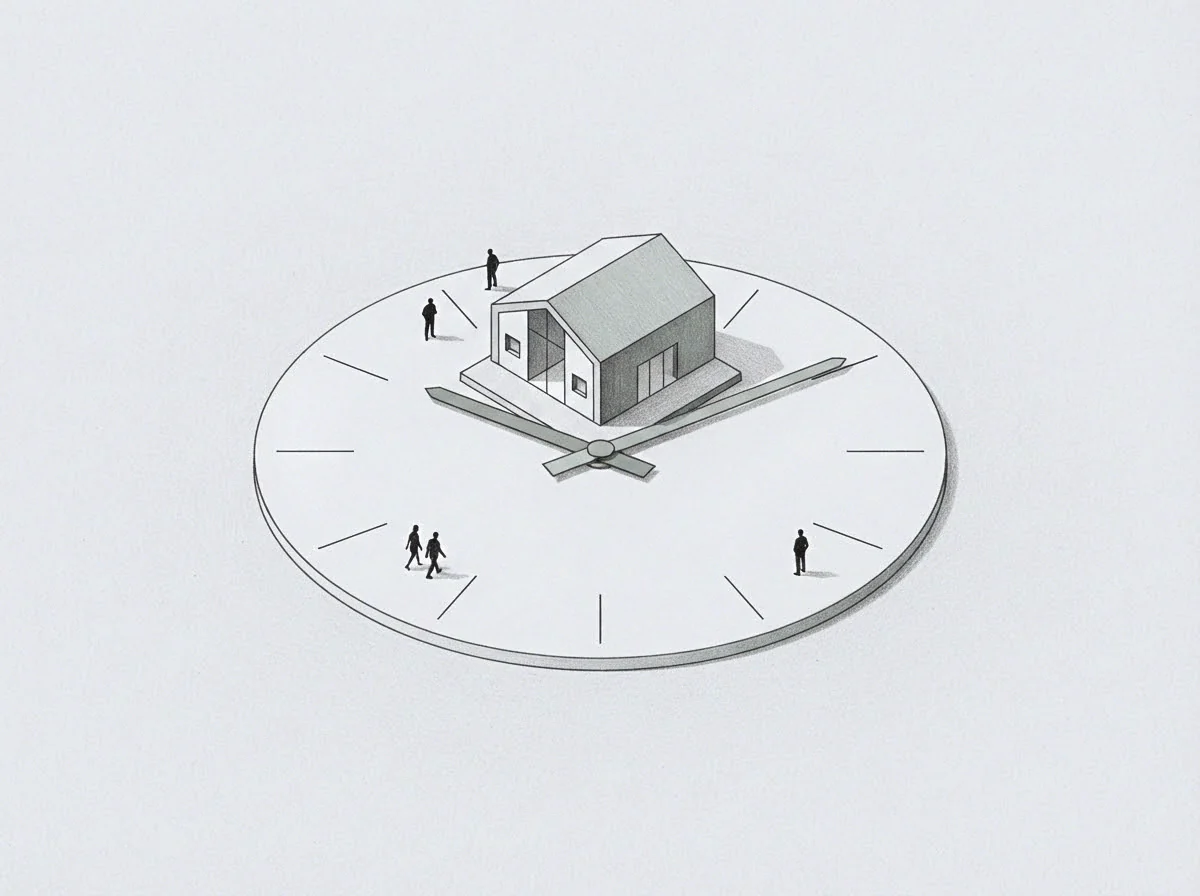
Structural Drivers of Capacity Divergence
Capacity divergence is an operational reality in scaling organizations. Technical systems, organizational structures, and capital requirements alter the nature of required contributions. A skill profile suited for early product development often struggles under complex regulatory oversight, large-scale headcount coordination, or multi-jurisdictional capital allocation.
Organizational research identifies three primary drivers of contribution asymmetry:
- Skill ceiling limits emerge when organizational complexity outpaces an individual’s operational adaptability, restricting their contribution to entry-level functional execution.
- Variance in personal endurance alters physical availability, as health constraints, caregiving duties, or exhaustion reduce the weekly hours an individual dedicates to execution.
- Strategic vision misalignment directs individual attention toward obsolete technical problems, generating friction with the enterprise’s current capital requirements.
The resulting operational variance changes the nature of interpersonal exchange. Balanced reciprocity, which operates on defined exchanges of equivalent value within known timeframes, gets displaced by unexpressed expectations. The partner carrying higher volume performs unrequested tasks, logging them mentally as unreciprocated effort.
The slower partner recognizes the output difference, senses the latent gap, and retreats into defensive posturing.
Unstated expectations convert unprompted effort into an unfulfilled operational obligation.

Asymmetry in Operational Value
The gap between initial equity distribution and present operational value generates administrative stagnation. The table below outlines how common unstated agreements manifest across specific operating areas.
| Operating Area | High-Capacity Assumption | Divergent-Capacity Assumption | Latent Friction Point |
|---|---|---|---|
| Commercial Expansion | Carrying enterprise sales entitles the operator to unilateral compensation adjustments. | Early equity splits permanently protect equal distribution rights regardless of current output. | Year-end profit distribution and capital reinvestment approvals. |
| Technical Infrastructure | Rewriting legacy code authorizes complete architectural control without peer consultation. | Historic code authorship establishes permanent veto authority over infrastructure updates. | Engineering promotions and technological modernization pacing. |
| Executive Governance | Managing daily headcount growth creates exclusive authority to determine operational roles. | Original founder status guarantees an active seat in every strategic evaluation. | Hiring senior executive personnel above early team members. |
Permitting structural divergence to fester without updating written operating terms leads directly to institutional paralysis, executive attrition, and eventual enterprise dissolution.
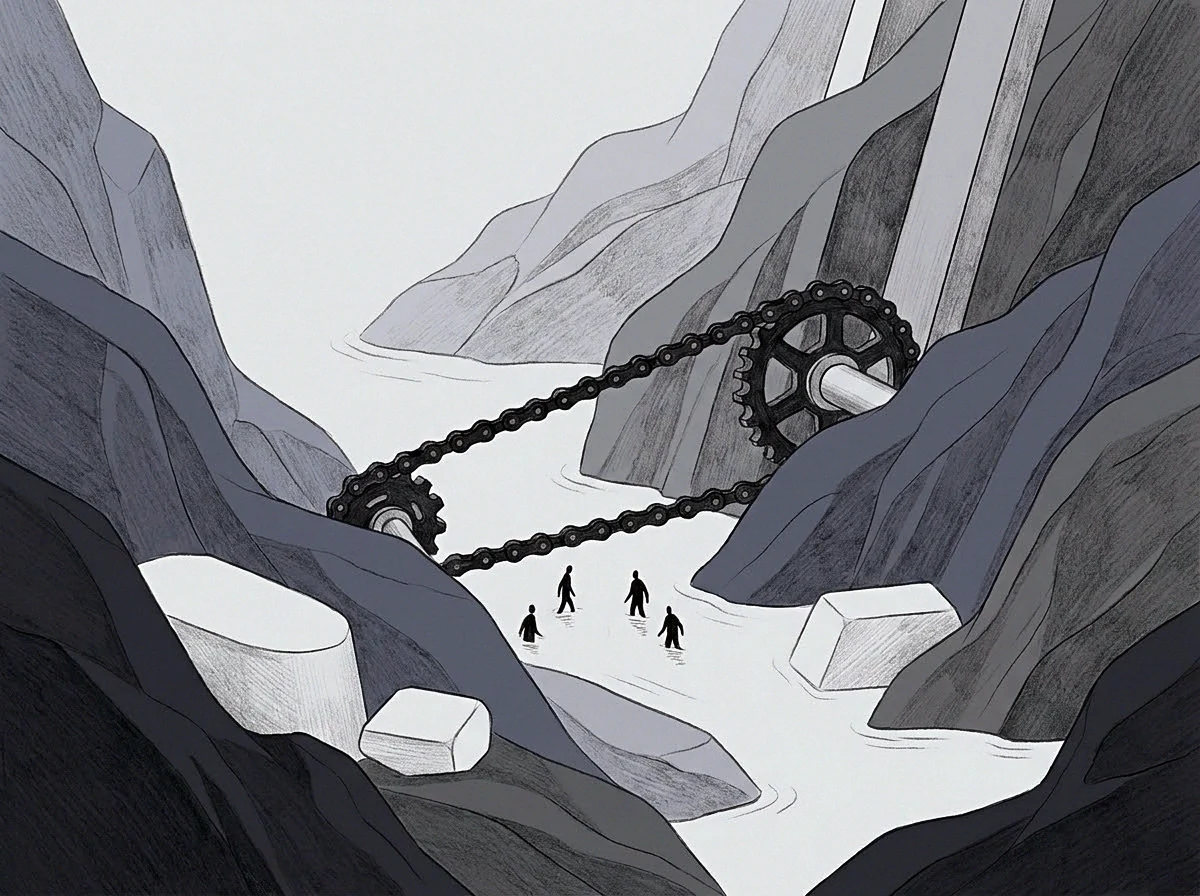
Toll
Carrying an unstated contract exacts heavy attention, capacity, and financial costs. The higher-output operator experiences chronic cognitive fatigue. Absorbing operational deficits without open discussion generates negative reciprocity, where interactions turn retaliatory, communication grows curt, and collaborative problem-solving degenerates into passive resistance.
Sociological studies on exchange systems demonstrate that unaddressed imbalances in reciprocal bonds inevitably breed friction.
The lower-output operator faces equal strain. Living under unexpressed grievances produces chronic operational anxiety. Sensing the other party’s frustration without clear metrics creates defensive entrenchment.
The individual clings tenaciously to historical titles, formal voting rights, and ceremonial privileges to compensate for diminished day-to-day operational relevance.
Unspoken resentment costs more enterprise value than difficult structural renegotiation.
Physical environments mirror this deterioration. Desk spaces separate. Direct working sessions diminish into formal quarterly meetings.
Team members lower in the organizational hierarchy begin navigating around executive tensions, routing approvals through whichever partner appears receptive on a given day. Unchecked resentment degrades execution speed across every department.
The unstated dynamic leaves the less active partner anticipating dismissal while believing that founding contributions established a permanent, inviolable right to executive parity.

Slate

Can Unspoken Parity Withstand Divergence?
Unspoken parity fails completely as an operating principle when individual output diverges. Repairing the collaborative structure requires transitioning from implicit agreements to explicit, metric-based structural terms. This transition resets interpersonal expectations and establishes verifiable operating realities.
Converting tacit contracts into stated terms requires disciplined steps:
- Contribution auditing documents current operational responsibilities, decision domains, and weekly functional outputs without reference to historical equity holdings.
- Compensation uncoupling separates ownership equity returns from current operational labor value, establishing market-rate salaries for active executive roles.
- Governance realignment restructures voting thresholds, board compositions, and executive oversight to reflect contemporary enterprise needs rather than founding history.
Separating the role of owner from the role of operator simplifies realignment. Equity represents historical contribution and capital risk; executive salary represents ongoing operational throughput. When a founder’s capacity plateaus, their executive responsibilities and operational compensation adjust downward to reflect current market value, while their equity position continues to reflect their early capital and structural contributions.
Clarify terms before friction converts mutual enterprise into open organizational conflict.
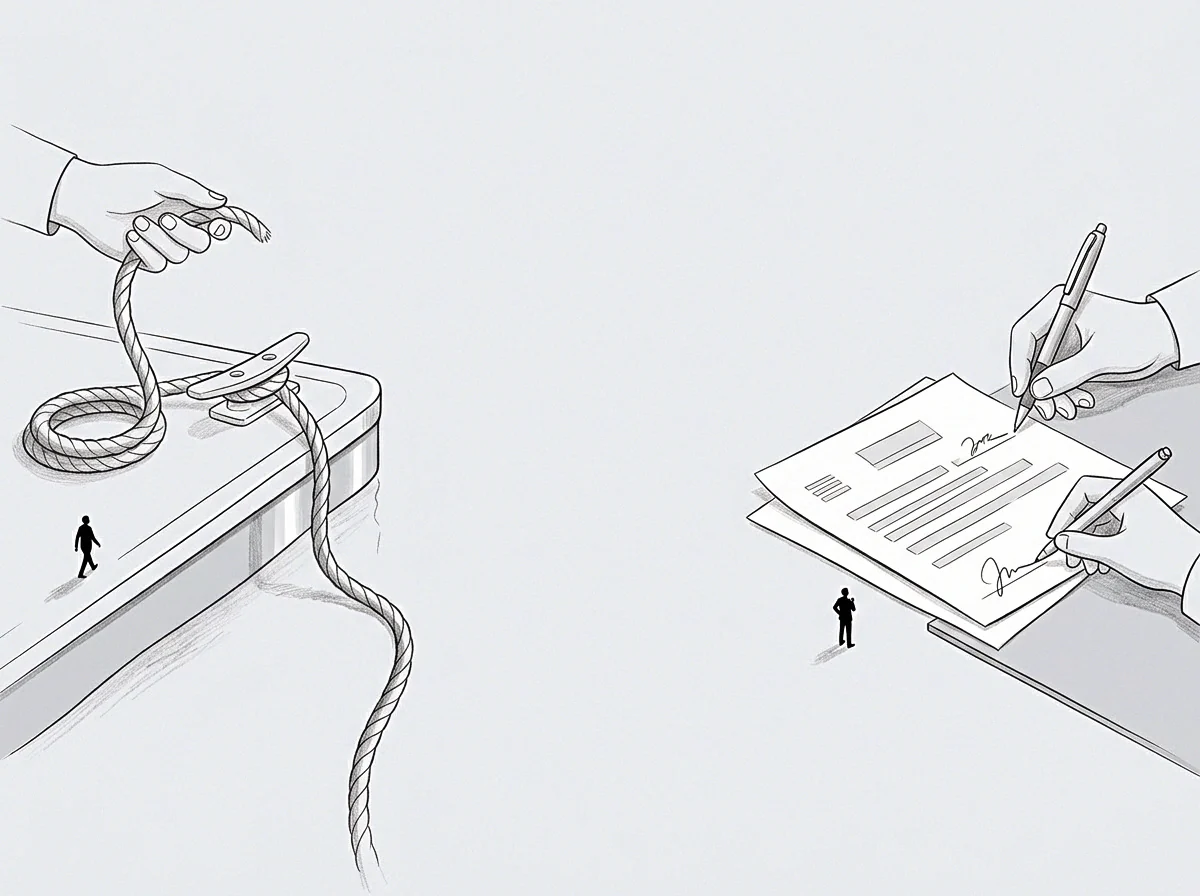
Clock
Resolving persistent divergence requires enforceable operating mechanisms. Structured equity buybacks, vesting schedule recalibrations, and advisory transitions provide clean paths for partners whose day-to-day execution no longer matches enterprise scale. Implementing dynamic equity models or Milestone-Based Vesting clauses aligns equity ownership with forward-looking value creation, minimizing the emergence of covert bargains.
The behavioural dimension remains paramount. The partner transitioning to a reduced operational role requires an orderly exit from day-to-day execution that preserves financial upside while releasing executive control. Replacing ambiguous unstated contracts with explicit operational thresholds restores functional clarity across the organization.
A formal board resolution establishing differentiated executive salaries alongside clear role charters transforms latent operational strain into predictable structural governance.