Meaning
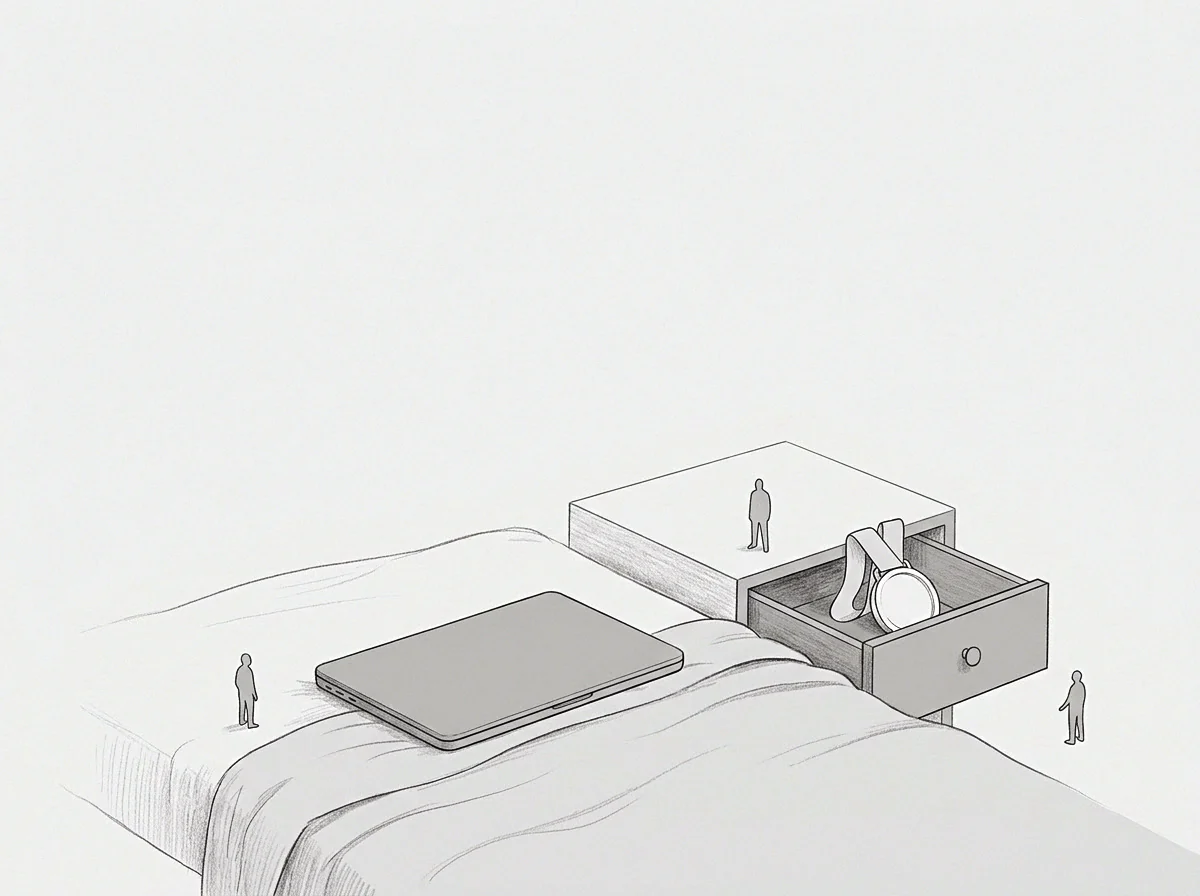
Social exchange patterns characterized by one party taking more than they give result in a breakdown of trust within a partnership. This negative reciprocity creates a sense of exploitation and quickly destroys the collaboration required for building a company. It is often seen in failing partnerships where one person stops contributing but continues to demand the benefits of ownership and control.
Effort Withdrawal
Reducing the amount of work performed while still expecting the same share of the profits is a common form of this behavior. Negative reciprocity signals that the individual is no longer committed to the shared goals of the project and is instead focused on their own gain. This shift in attitude is usually the first step toward a more serious conflict or the departure of one of the partners.
Relational Damage
The person who is still contributing feels a deep sense of unfairness when they see their partner taking advantage of the situation. Negative reciprocity leads to a breakdown in communication and a loss of the goodwill that is necessary to solve difficult problems. Once the cycle of exploitation begins, it is very difficult to return to a state of healthy collaboration.
Organizational Cost
Dealing with the fallout of this behavior requires a significant amount of energy from the remaining members of the team. Negative reciprocity can lead to legal disputes, a loss of productivity and a damaged reputation in the market. Resolving the situation often requires a formal separation or a complete restructuring of the partnership to protect the remaining assets of the firm from further value destruction.