
Managing Person Channel Boundaries During Founder Contribution Disputes
Contribution disputes resolve by isolating personal support from commercial equity, preventing retroactive conversion of unprompted favors into corporate debt.

Rupture
An equity spreadsheet lands in an inbox at two in the morning with three unbilled months calculated into a fractional claim. The person who typed the numbers spent twelve weekends troubleshooting database migrations while the other drafted customer agreements in coffee shops. Neither requested an hourly count during those twelve weeks.
Work arrived unprompted and was accepted without discussion as long as the server ran and customers signed. Now the commercial distribution of the venture is contested, with the midnight email framing those late hours as an entitlement to ownership. The relationship that enabled those uncounted hours is suddenly cited as evidence of an unpaid operational obligation.
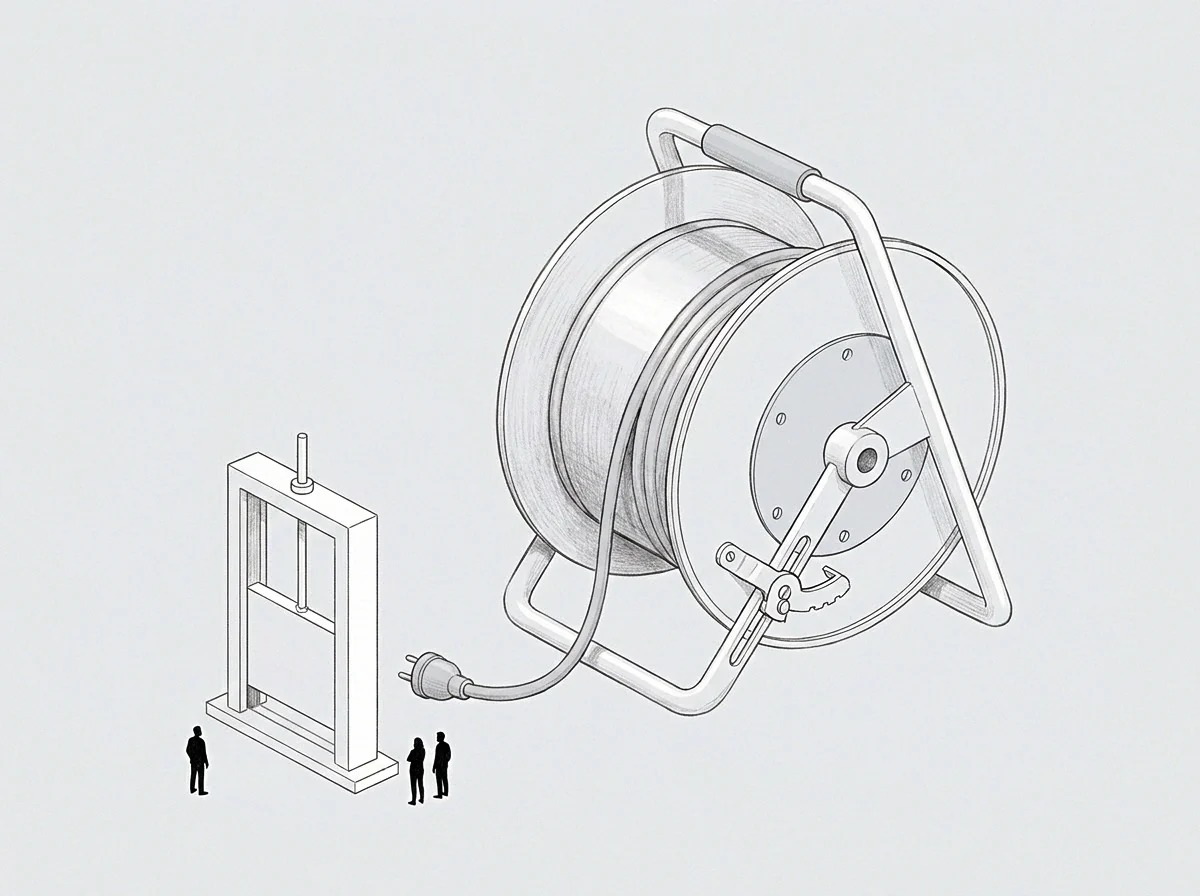
Contribution disputes between people who build together expose an immediate structural confusion. Two distinct lines of transmission run between founders: the person channel and the project channel. The person channel carries emotional presence, meals brought to a desk, unprompted listening during family crises, and care that seeks no return.
The project channel carries equity allocation, intellectual property assignments, vesting schedules, and explicit deliverables. When performance discrepancies arise, founders routinely collapse these two circuits, attempting to resolve project friction through personal concessions or using past affection to defend operational gaps.
Care offered without terms transforms into an unstated liability the moment an operational renegotiation begins.
This dynamic is acute when early contributions rest on generalized reciprocity, where assistance flows without an immediate expectation of return. Studies of informal exchange communities demonstrate that generalized reciprocity functions only when social distance remains close and material survival is collective. Once economic terms formalize into cardinal equity shares, exchange automatically shifts toward balanced reciprocity, where every input expects an equivalent return.
When partners conflate these channels, personal loyalty is invoked to excuse missed software releases, while commercial equity is demanded to pay for emotional endurance.
The operational and personal cost of this entanglement is the breakdown of both the working arrangement and the private relationship, leaving neither party able to collaborate professionally or speak privately.

Floor
Commercial viability requires a baseline of performance that operates independently of personal affection. In organizational psychology, this baseline functions as the operational minimum below which an enterprise cannot maintain financial or technical survival. When contribution disputes emerge, the higher-performing partner frequently lowers this threshold out of affection for the underperforming peer.
This hesitation allows operational deficits to compound over quarters, generating resentment that eventually breaks the working agreement.

Structural Mechanics of Separation
Maintaining clear functional separation requires evaluating performance strictly inside the commercial circuit while personal support continues in parallel. A founder struggling with technical architecture might receive personal encouragement over dinner while facing contractual adjustments in a formal meeting on Monday morning. Blurring these interactions creates confusion: the struggling partner interprets personal kindness as operational approval, while the evaluating partner feels compromised by unstated commercial doubts.
To examine how transmission channels interact during performance evaluations, consider the baseline characteristics governing each circuit:
| Evaluation Dimension | Person Channel | Project Channel |
|---|---|---|
| Primary Transmission | Unprompted presence, personal goodwill, uncounted listening | Vested equity, milestone delivery, technical architecture |
| Accounting Standard | Unquantified assistance without formal record keeping | Strict cardinal milestones and legally binding equity vesting |
| Response to Deficit | Offering rest, physical support, private patience | Contractual reallocation, dilution, seat adjustment |
| Failure Outcome | Quiet sorrow, natural interpersonal distance | Forced buyouts, operational termination, legal severance |
Field research on psychological contracts in high-uncertainty ventures demonstrates that unstated assumptions about effort create deep relational vulnerability. When one partner quietly covers for another’s technical shortcomings, an invisible covert contract forms. The assisting partner assumes this excess labor will earn unprompted gratitude or unilateral authority during future corporate decisions.
The recipient assumes the excess assistance was an unconditioned gift rooted in personal fraternity. When commercial reality forces an explicit reckoning, both interpretations collide violently.
Stabilizing the Working Arrangement
Preventing this collision involves establishing explicit procedural protocols the moment performance variance appears. Separating the forums where conversations take place protects both domains.
- Channel isolation restricts operational performance reviews to formal work settings while keeping personal check-ins in domestic environments. The conversation regarding missed deadlines occurs exclusively inside office software.
- Metric decoupling ensures equity adjustments reflect commercial output rather than personal sacrifices made during crisis periods. Sacrificing personal leisure does not substitute for finished engineering deliverables.
- Reciprocity formalization converts open-ended favors into bounded consulting agreements or explicit contractual stipends. Unquantified labor ceases before relational exhaustion sets in.
Does an operational baseline established through legal contracts permanently extinguish the unprompted personal generosity that initially brought two collaborators together?
Barter
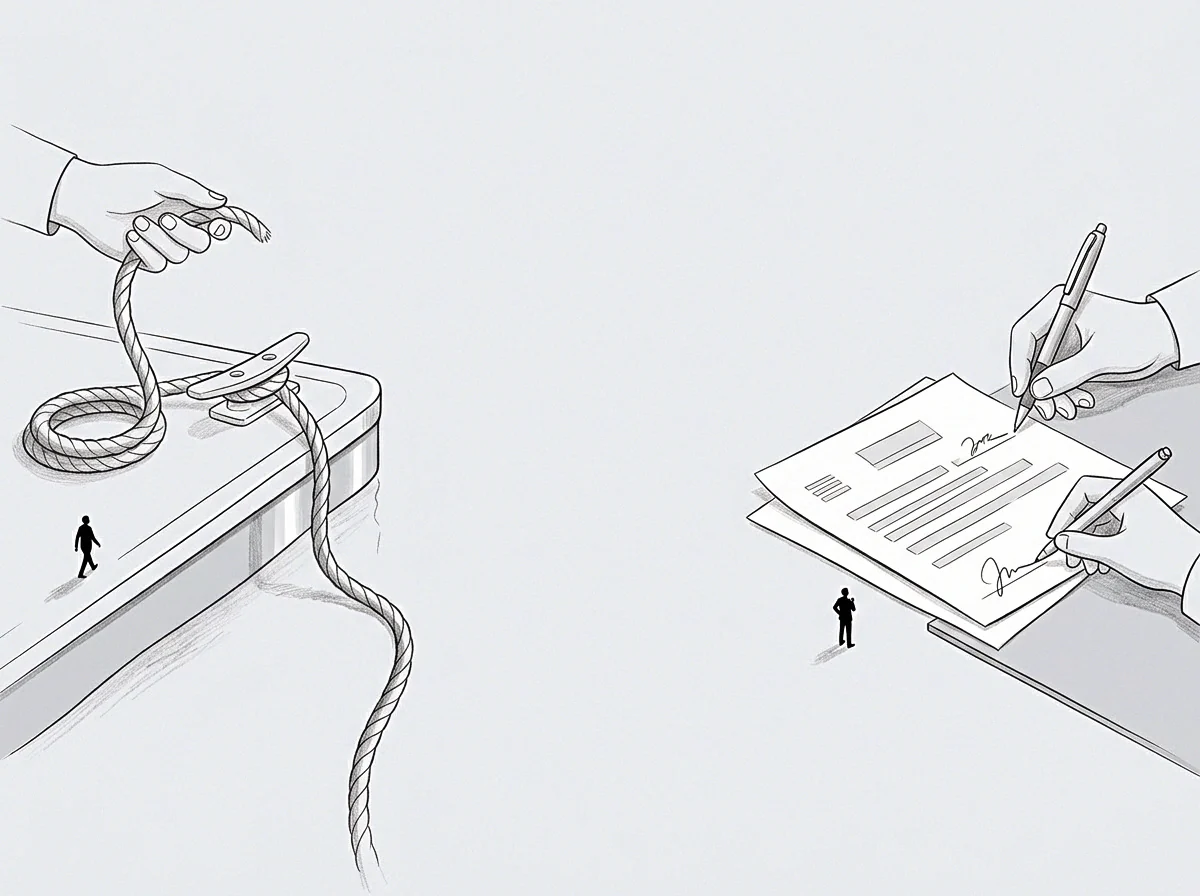
Informal trade between early collaborators functions smoothly only while both parties hold equal capacity to deliver. In classical gift anthropology, unquantified exchange operates through mutual faith that imbalances will resolve across extended time horizons. One partner writes code while the other secures early letters of intent, neither checking the clock.
The currency is mutual arrival, the physical reality of two people occupying a room and laboring against mutual insolvency. The transaction remains unquantified because assigning a cardinal price tag to late-night labor feels like commercial betrayal.

How Does Unquantified Support Become Unreceivable?
Tension surfaces when individual capabilities diverge under commercial pressure. As the technical founder masters distributed systems while the commercial founder struggles to close enterprise contracts, the balance shifts. The higher-performing builder realizes their daily contribution outpaces the counterpart’s monthly output, and continued unprompted effort stops feeling like mutual assistance, turning instead into subsidization.
A gift offered by someone holding superior capacity feels like an obligation the recipient never agreed to carry.
Sociological studies on indebtedness indicate that unreceivable gifts alter interpersonal balance. When a struggling partner receives unprompted operational rescue from a higher-performing peer, the rescue generates acute relational discomfort. The recipient cannot reciprocate with equal technical or commercial output.
To relieve this psychological tension, the recipient either minimizes the contributor’s effort or withdraws into defensive resentment. Unquantified exchange collapses, replaced by a sullen hostility that puzzles the contributing partner.
Unquantified barter functions only when both collaborators retain the capacity to arrive with equal weight.

Conversion
A perilous transition occurs when informal personal support is retroactively converted into commercial equity claims during renegotiations. One participant reviews eighteen months of venture development and points to unpaid personal loans, emotional encouragement, and unbilled weekend driving as justification for a larger share of the operating company. This maneuver corrupts the person channel, reframing past gestures of genuine human solidarity as commercial transactions waiting for an invoice.
Sociological research distinguishes sharply between gifts and commodities. A commodity trade is complete upon the transfer of value, carrying no enduring interpersonal entanglement. A gift intentionally establishes an ongoing social bond, thriving on open-ended relational connection.
Retroactive conversion destroys both systems by invalidating the social bond of the original gift while imposing an unnegotiated price tag, leaving the other party facing an unexpected record of accrued obligations.
Retroactive conversion of friendship into equity destroys the moral standing of both the gift and the contract.
Halting this destructive dynamic demands identifying the distinct stages through which relational assistance degrades into commercial combat:
- Unprompted arrival begins when one collaborator provides voluntary, unpriced assistance during an operational crisis without requesting formal compensation. The labor solves an immediate operational emergency cleanly.
- Unspoken accounting develops as the contributing partner silently tracks uncompensated hours, building an internal expectation of future repayment. The recipient remains completely unaware that an invisible obligation is accumulating.
- Relational leverage appears when the accumulated private record of contributions is brought forward during commercial strategy disputes to silence contractual objections. Past personal kindness becomes an emotional tool to force operational compliance.
- Contractual retaliation culminates in formal legal disputes where personal messages, domestic favors, and private texts are filed as evidence of commercial contribution. Both the personal friendship and the corporate partnership suffer total collapse.
A single clear sentence reveals what the aggrieved partner feels at the apex of this conversion: you allowed me to believe you were helping me because you cared about the venture, yet you were secretly keeping score the entire time.
Terms
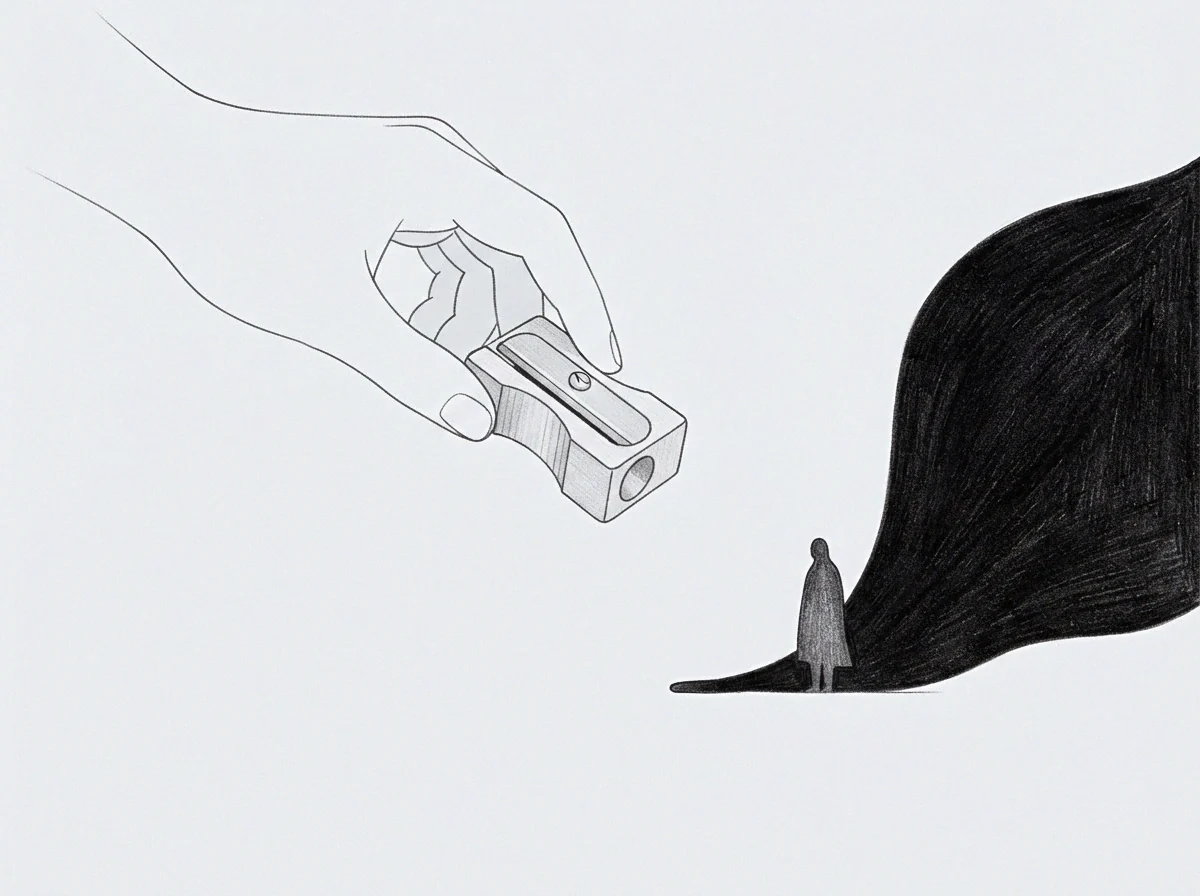
Explicit contractual clarity shields human affection from the corrosive effects of commercial ambiguity. Legal covenants, dynamic equity splits, and milestone-based vesting schedules are tools designed to protect personal relationships. When commercial expectations are thoroughly documented on paper, the person channel remains clean.
The founders discuss milestones, production roadmaps, and capitalization tables within the rigid logic of the corporate contract. Because commercial terms are defined, evening conversations can return to unquantified personal fraternity.
A mature operational separation relies on a channel separation clause within the founding agreement. This provision states explicitly that personal assistance, emotional support, and informal favors exchanged between owners shall never be submitted as evidence of commercial sweat equity. The contract stipulates that equity adjustments occur exclusively through pre-approved, auditable milestone completions.
If a partner provides personal funds or off-hours labor, that contribution must be logged through formal promissory notes or documented consulting amendments within thirty days of delivery, or forfeit commercial consideration entirely.
Enforcing this explicit standard protects the unprompted gift. When both parties understand that midnight check-ins and shared meals carry zero corporate equity leverage, those gestures regain their original quality. One founder can sit beside a struggling partner, offer comfort, and provide unbilled personal support without either individual fearing commercial leverage.
The company operates under clean, verifiable metrics, while the humans inside it retain their capacity to show up for each other without keeping score.
The channel separation agreement mandates that undocumented personal sacrifices forfeit legal standing in equity evaluations, thereby preserving the authenticity of private generosity.