Meaning
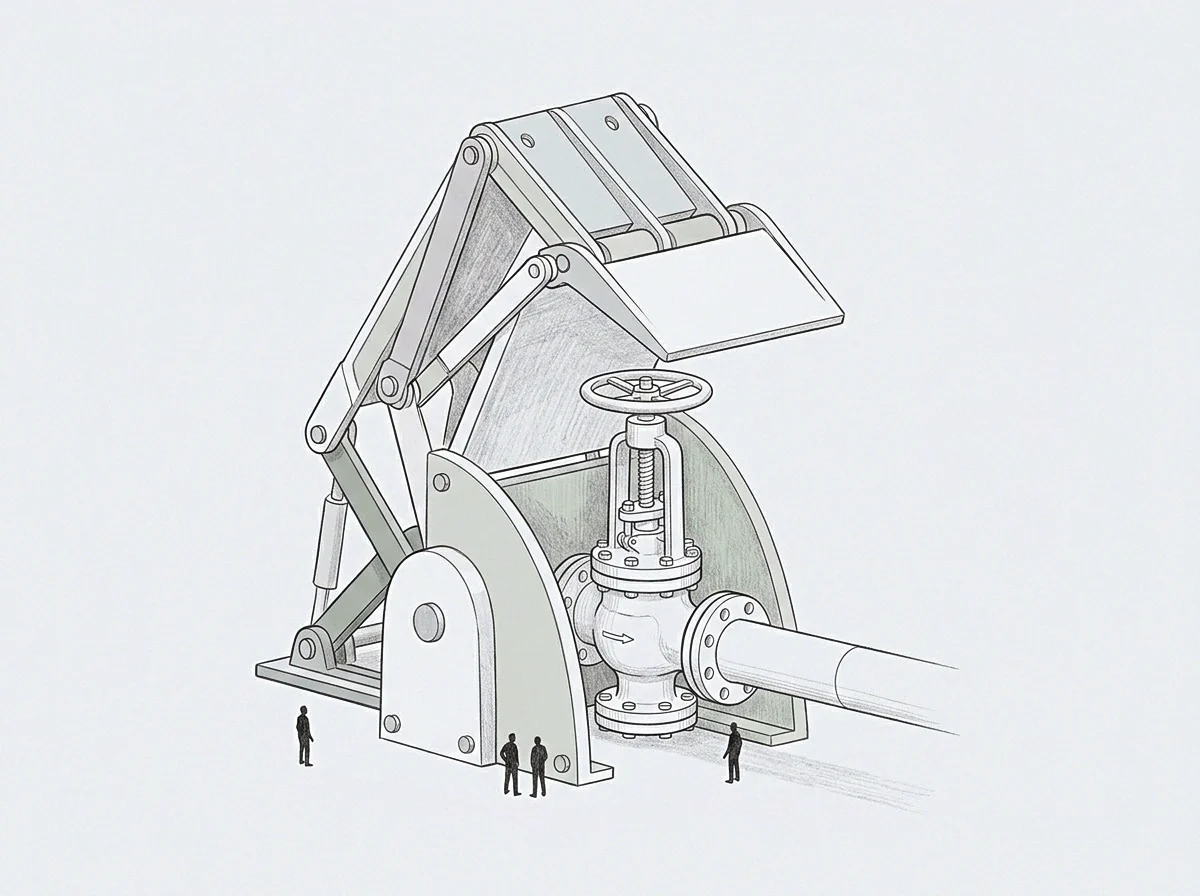
Relational imbalance occurs when the value offered by one party cannot be integrated or acknowledged by the receiver. An individual might offer unreceivable gifts when they provide a level of support that creates an obligation the other party has no means to fulfill. This situation arises in professional networks where the gap in resources or status makes a balanced exchange impossible.
It stops applying when the recipient finds a way to acknowledge the value through formal recognition or a reciprocal service.
Acceptance Barrier
Social dynamics often prevent the successful transfer of high-value assistance. When unreceivable gifts are presented, the recipient may feel a sense of burden that leads to the avoidance of the giver.
Relational Burden
The cost of these offers is measured in the erosion of trust and the eventual withdrawal of the recipient from the partnership. While the giver may intend to provide support, the result is often a breakdown in communication as the receiver struggles with the weight of the unpaid obligation. This pressure exhausts the attention of both parties and may lead to the termination of the association to resolve the tension.
Evidence of this drift appears when messages go unanswered and the frequency of interaction drops as the receiver seeks to escape the debt.
Utility Floor
The value of an offer is limited by the capacity of the partner to respond in kind. Once this threshold is crossed, the provision of resources becomes counterproductive and damages the professional bond.