Meaning
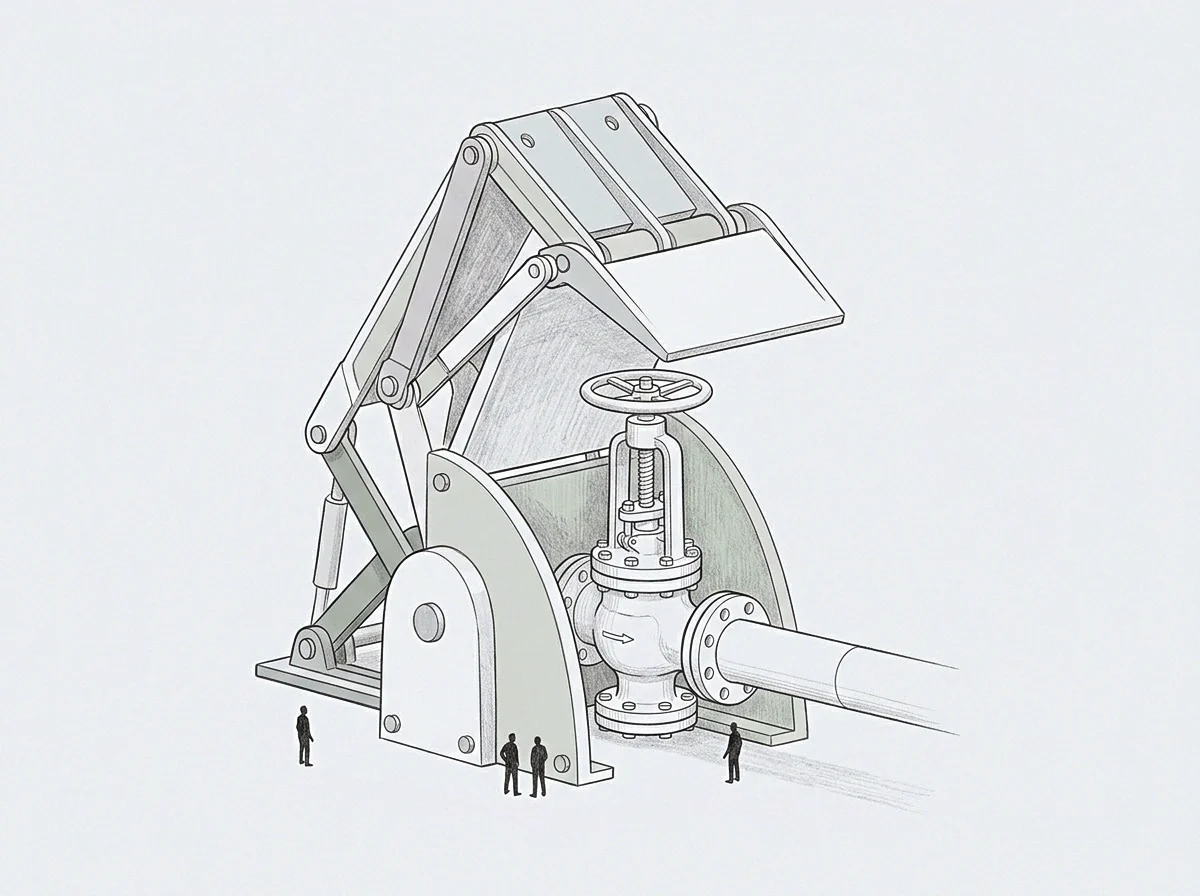
Strategic influence relies on the history and strength of personal connections to achieve goals that formal authority cannot reach. A practitioner uses relational leverage to secure resources or permissions by calling upon the trust built through previous interactions. This form of capital is accumulated over years of shared work and reliable performance.
It stops being effective when the person attempting to use the influence has no more social credit to spend or when the request exceeds the limit of the connection.
Connection Utility
Access to closed networks or high-level decision makers is the primary benefit of this asset. When using relational leverage, an individual can bypass the usual gatekeepers and gain a hearing for a proposal based solely on their reputation.
Deployment Risk
Every use of personal influence carries a cost in future capacity and standing. If the request is seen as unreasonable or if the project fails, the person who provided the introduction suffers a loss of status. This risk means that relational leverage must be used sparingly and only for initiatives that have a high probability of success.
Frequent demands on a network can lead to social fatigue and the eventual closing of doors that were once open to the practitioner.
Exhaustion Point
Influence is a finite resource that requires constant replenishment through new acts of helpfulness. Once the balance of favors becomes too one-sided, the ability to move others through personal connection disappears.