
Managing Psychological Contract Breach During Enterprise Reciprocity Conversion Events
Psychological contract breach occurs when explicit terms formalize unquantified early contributions without settling historical reciprocity obligations.
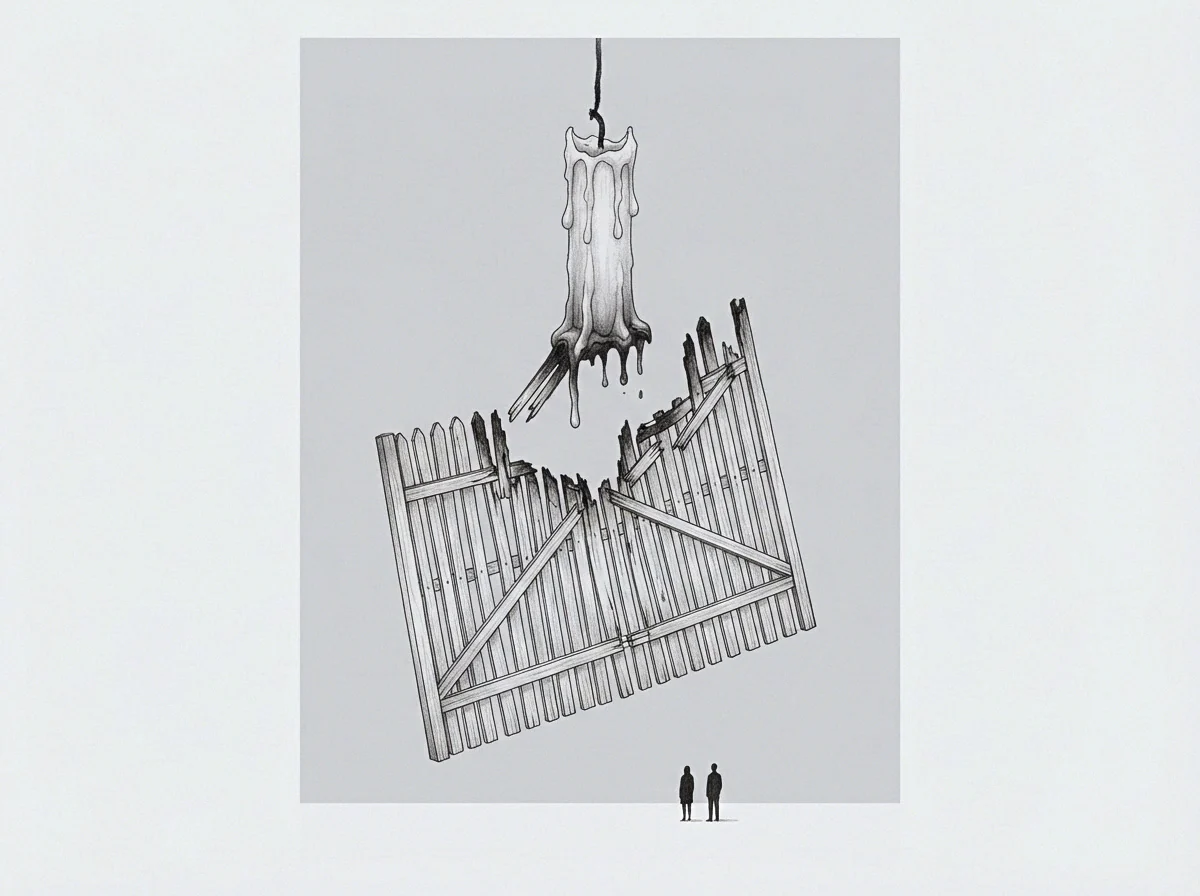
Toll
An enterprise alliance built on unpriced assistance encounters friction when formal commercial terms enter the relationship. In early stages, co-builders and strategic partners exchange priority access, engineering bandwidth, and executive intros without generating invoices. The arrival of a transactional document signals that generalized reciprocity has ended and explicit valuation has begun.
When one organization sends a standard vendor contract or service agreement to a partner who provided unprompted support for two years, the paper reclassifies the past. The recipient reads the transaction as an attempt to retroactively price a gift.
Organizational behavior research demonstrates that psychological contracts rest on unstated beliefs regarding mutual obligations. Unlike formal agreements, psychological contracts remain unwritten and flexible, sustained by perceived alignment and trust. During enterprise reciprocity conversion events, such as transitioning an informal pilot into a paid license or converting a strategic advisory role into a structured vendor contract, the implicit terms undergo forced externalization.
The baseline was never zero. The party that provided early unquantified value carried an internal expectation of ongoing status, preferential terms, or implicit equity. When the formal contract treats them as a standard commercial buyer or seller, the gap between expected recognition and contractual reality triggers contract breach.
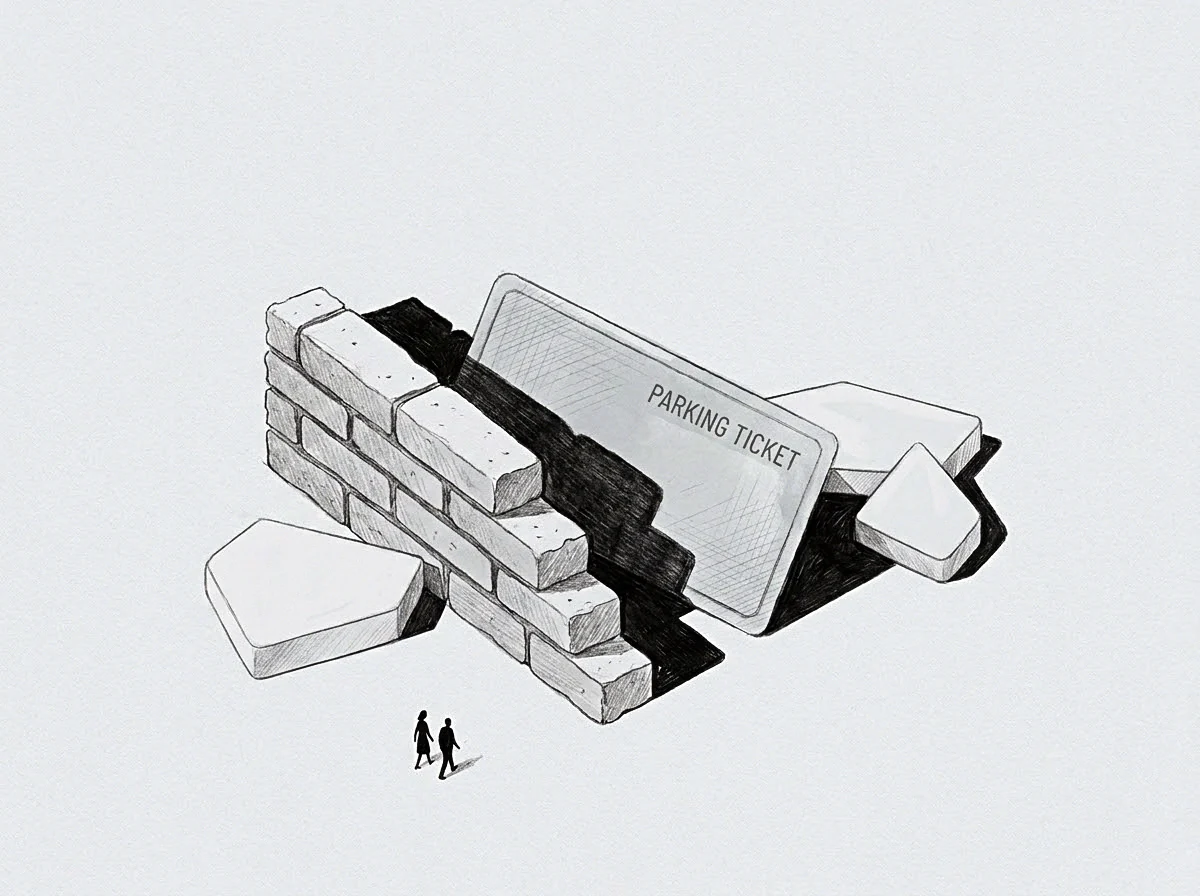
The Structural Mechanics of Unstated Obligations
Informal enterprise support relies on generalized exchange where return value remains unspecified in timing and form. The operator who grants early API access or dedicates technical staff to help a partner deploy an integration acts under the logic of relational capital. The moment financial rates or strict service level metrics define the relationship, the mental accounting changes.
The giving entity conducts a retrospective audit of every unbilled hour, waived fee, and direct introduction delivered during the early build phase.
Generalized reciprocity holds only while both parties leave the accounting unstated.
Psychological contract breach manifests as systemic withdrawal of informal goodwill rather than immediate legal dispute. The partner who previously answered weekend escalation calls shifts to strict ticket-based enterprise support SLAs, closing down the personal channel. When the formal contract treats historic contributions as zero-value baseline, emotional commitment converts into negative reciprocity, where the aggrieved party actively seeks to rebalance the perceived deficit by withholding discretionary effort.
Converting unpriced enterprise favors into contract terms without acknowledging past contributions destroys informal goodwill and leaves the organization paying market rates for support that used to arrive unprompted.

Gate
Managing the conversion event requires separating past relational contributions from future transactional obligations before paper is signed. Enterprise relationships operate across two distinct operational channels. The person-channel carries shared history, unquantified favors, and executive goodwill.
The project-channel carries scope statements, unit pricing, liability caps, and formal delivery dates. Breach happens when an enterprise attempts to run a transactional negotiation through the person-channel without declaring the switch.

Structural Separation of Provision Channels
Enterprise negotiation research indicates that high-trust business alliances break down during conversion when parties conflate historical relational debt with forward commercial pricing. The transition demands an explicit bridge. Rather than slipping a commercial vendor agreement into an ongoing informal collaboration, the leadership team opens a dedicated commercial dialogue that acknowledges past support created foundational value while future engagements require predictable resource allocation governed by legal standards.
| Exchange Dimension | Generalized Enterprise Reciprocity | Converted Commercial Contract |
|---|---|---|
| Accounting Unit | Unpriced relational debt and future preference | Specified financial sums and stated deliverables |
| Trigger for Breach | Refusal to assist when capacity permits | Failure to perform written service level agreements |
| Communication Channel | Direct executive access and informal requests | Procurement reviews and structured ticketing systems |
Converting informal enterprise goodwill into a formal contract alters the underlying social architecture. When an enterprise pays cash for a deliverable that was previously provided through reciprocity, the payment cleans the relational record. Once a fee is attached, the supplier no longer owes unprompted loyalty or extra-contractual speed; they owe exactly what the contract specifies.
Inserting a commercial fee into an unpriced alliance converts a personal commitment into a billable deliverable.
Mismanaging this threshold leads to direct operational friction during enterprise sales cycles. Procurement teams often attempt to negotiate steep discounts based on historic alliance relationships, while simultaneously imposing heavy indemnities and rigid penalties. This dual strategy extracts relational concessions while imposing arm-length transactional risk.
The early support was provided under an understanding of mutual growth, not as a discounted trial for a future vendor arrangement.

Count
Unspoken accounting creates latent instability in enterprise alliances. During the generalized phase, neither party states a exact figure for the support provided, yet both sides keep loose mental tallies. The provider overestimates the market value of their early technical assistance, advisory hours, or strategic introductions.
The receiver underestimates the same contributions, viewing them as natural investments in mutual alliance growth. Conversion forces a record audit.

Can Unstated Equity Expectations Survive Commercial Valuation?
When an enterprise conversion event forces an explicit valuation, these disparate mental counts collide. The founder who offered free enterprise infrastructure during a startup’s first year expects substantial equity or permanent zero-cost licenses. The receiving executive views those early favors as soft support already compensated through platform exposure and co-marketing benefits.
When formal negotiation reveals the disparity, both parties experience the gap as a breach of trust.
Three primary structural drivers provoke psychological contract breach during enterprise conversion events:
- Valuation divergence arises when unpriced early assistance meets formal financial discounting and standard rate cards.
- Status reclassification occurs as informal executive peers become standard enterprise vendors bound by rigid procurement workflows.
- Exclusivity loss triggers resentment when unwritten preferential access is opened to paying third parties under standard terms.
Unspoken contributions usually carry a higher internal valuation than market rates ever justify. The party that supplied early effort remembers the opportunity cost and personal risk. The party that received the effort remembers the direct operational outputs.
When formal contracts assign a specific currency figure to those historic contributions, the provider feels their historical commitment has been discounted to trivial vendor fees.
Sociological studies on exchange theory demonstrate that converting unquantified social obligations into cardinal financial metrics alters relational trust. The introduction of price eliminates the ambiguity that allowed both entities to feel ahead in the transaction. The open question remains whether an enterprise can structure formal procurement rules without suppressing the unprompted assistance that allowed the partnership to succeed initially.

Repair
Restoring relational alignment after a psychological contract breach requires direct intervention before final commercial execution. Ignoring the perceived breach causes structural drag, leading to missed delivery milestones, uncooperative technical teams, and escalating legal disputes over minor clauses. The executive layer restores trust by addressing historic obligations explicitly rather than relying on legal integration clauses to wipe the slate clean.

Sequence of Relational Realignment
Re-anchoring an enterprise relationship following a conversion breach follows a structured four-stage process:
- Conduct an executive session dedicated exclusively to acknowledging historic unbilled contributions without arguing market values.
- Establish an explicit record closing statement that documents past favors and defines them as fully settled by mutual agreement.
- Separate historical relational gratitude from forward commercial pricing through distinct side letters or legacy recognition terms.
- Draft forward enterprise service agreements using standard commercial terms, free from hidden discounts or relational subsidization.
When the executive team acknowledges past contributions out loud before introducing legal paper, they validate the provider’s internal record. This validation prevents the provider from treating the upcoming commercial negotiation as an attempt to erase their historical relevance.
The transition from unpriced partnership to formal contract requires explicit boundary setting. The firm establishing formal terms accepts that once the agreement takes effect, the partner will act as a rational commercial counterparty. Discretionary effort must now be incentivized through explicit contractual bonuses, performance rebates, or expanded commercial scope.
A founder addresses past debts through explicit recognition before introducing written commercial obligations.
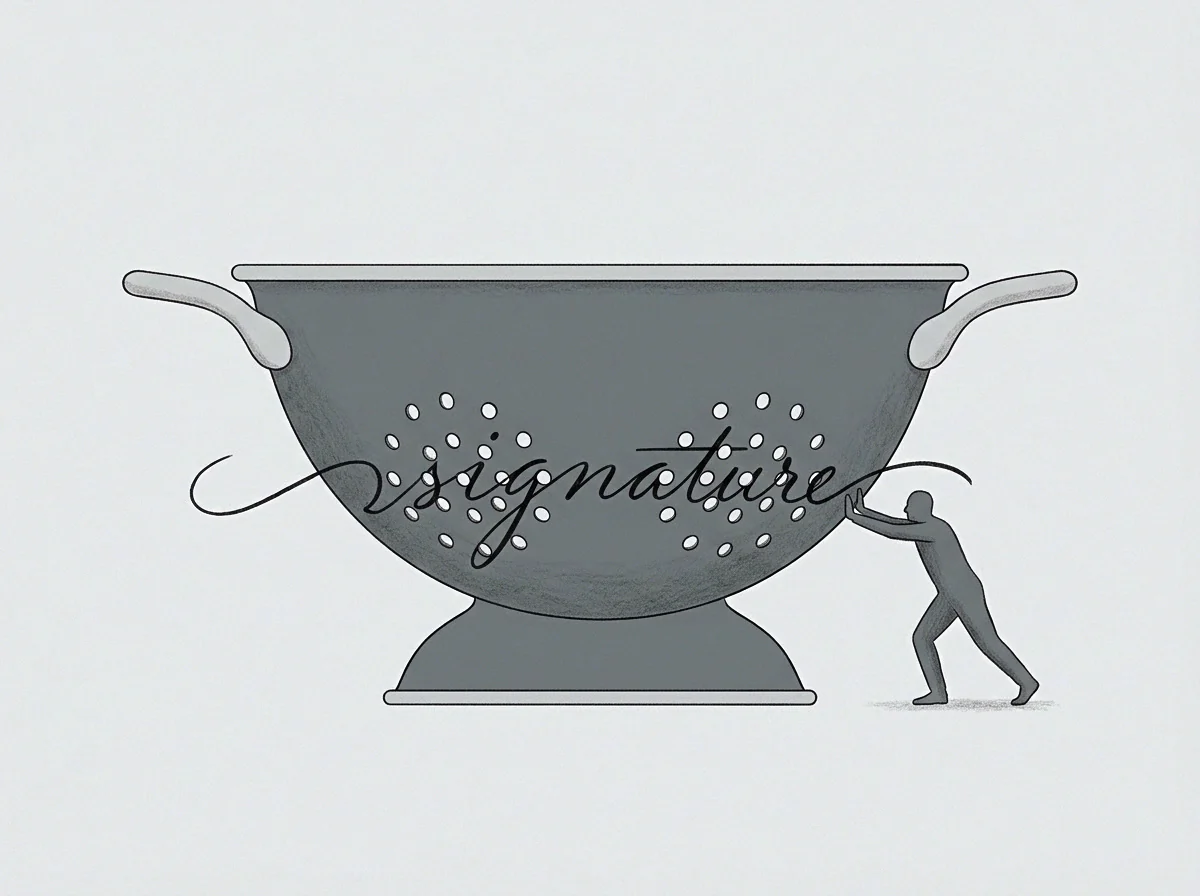
Terms
Long-term enterprise stability depends on contract structures that accommodate historical goodwill while enforcing standard operational boundaries. Standard boilerplates with aggressive integration clauses frequently exacerbate psychological breach by declaring that prior agreements, promises, or understandings hold no legal weight. While legally protective, this phrasing reads as a deliberate erasure of past support to an early co-builder.

Clauses That Preserve Informal Capacity
Contractual mechanics offer specific legal tools to bridge the transition without destroying relational trust. Legacy reciprocity side-letters acknowledge past contributions in formal Recitals while preserving arm-length operational terms in the main Agreement. Alternatively, executive advisory slots, preferential innovation access clauses, or specialized governance rights recognize historical standing without distorting baseline commercial pricing.
A explicit retrospective waiver clears accumulated social debt before formal terms take effect.
The contract structure must make a clear distinction between baseline operational deliverables and discretionary innovation efforts. When standard agreements attempt to capture future unprompted innovation under routine vendor duties, suppliers restrict their output strictly to audited performance targets. By carving out explicit collaborative spaces outside the standard service level agreement, enterprise partners maintain an ongoing channel for generalized reciprocity alongside formal commercial operations.
Clear contracts preserve trust by defining where reciprocity ends and commercial performance begins. When both leadership teams understand which interactions are unpriced gifts and which are billed services, the risk of unexpected contract breach vanishes. A legacy reciprocity side-letter establishes distinct executive escalation rights outside standard service agreements, insulating personal goodwill from commercial performance metrics.