Meaning
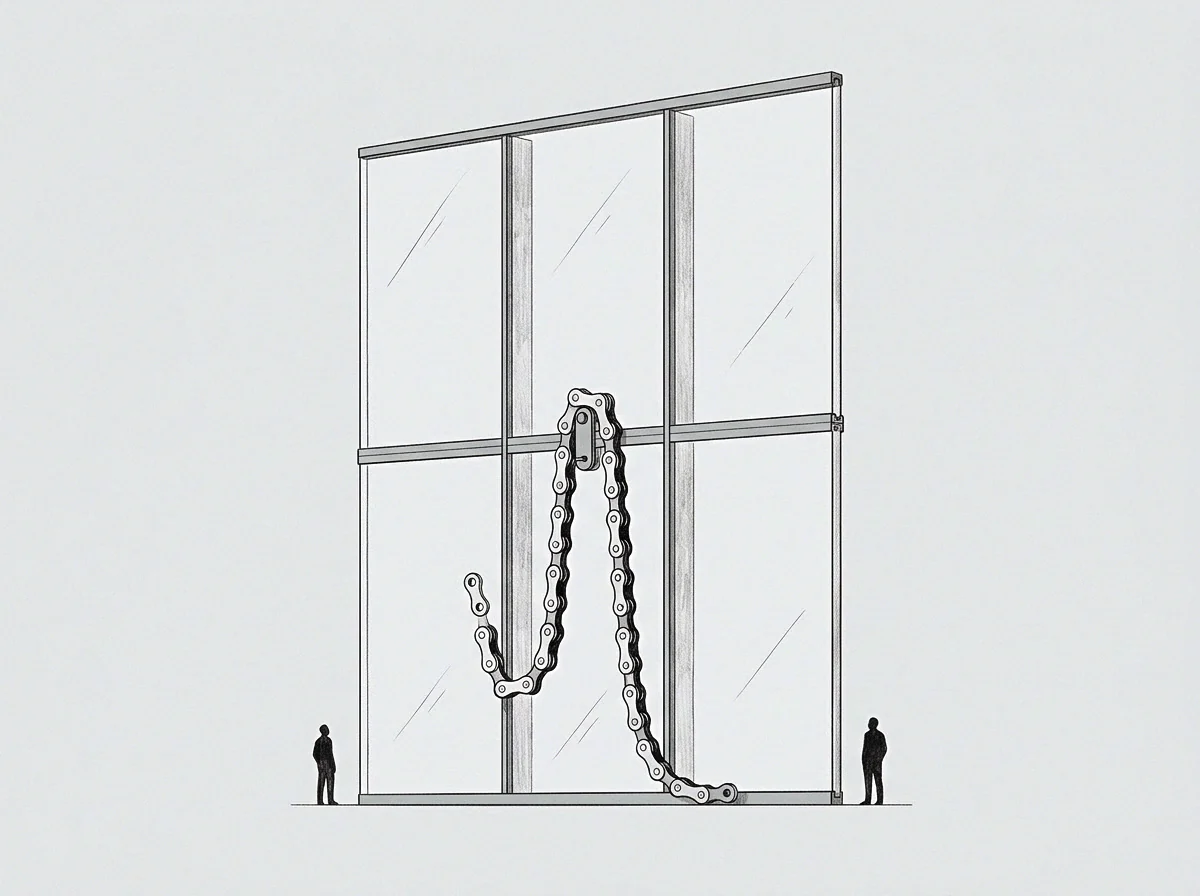
Structural friction describes the tendency of established internal protocols to resist modification once a venture transitions from a rapid development phase to an operational state. Administrative inertia represents the measurable lag between a strategic directive and its actual execution within an organizational hierarchy. This phenomenon occurs when redundant approval layers or legacy documentation requirements obstruct the flow of new information.
Operating Velocity
Management capacity dissipates when the volume of documentation exceeds the requirements of immediate decision cycles. Administrative inertia traps resources in cycles of verification that provide diminishing utility relative to the speed of the broader market. Senior personnel expend considerable energy reconciling outdated compliance workflows with current operational objectives.
Execution Cost
Financial expenditure increases linearly as teams attempt to bypass rigid procedures to maintain output. Administrative inertia forces members to choose between strictly adhering to internal guidelines and meeting external performance requirements. This tension creates a consistent tax on total productive capacity by necessitating redundant oversight for routine tasks.
Governance Boundary
Organizational structure defines the parameters where these bottlenecks begin to manifest. Administrative inertia reaches its highest point in environments where the delegation of authority remains centralized despite growth in headcount. Systems that operate without defined sunset clauses for internal policies eventually suffer from a permanent accumulation of procedural weight.