Meaning
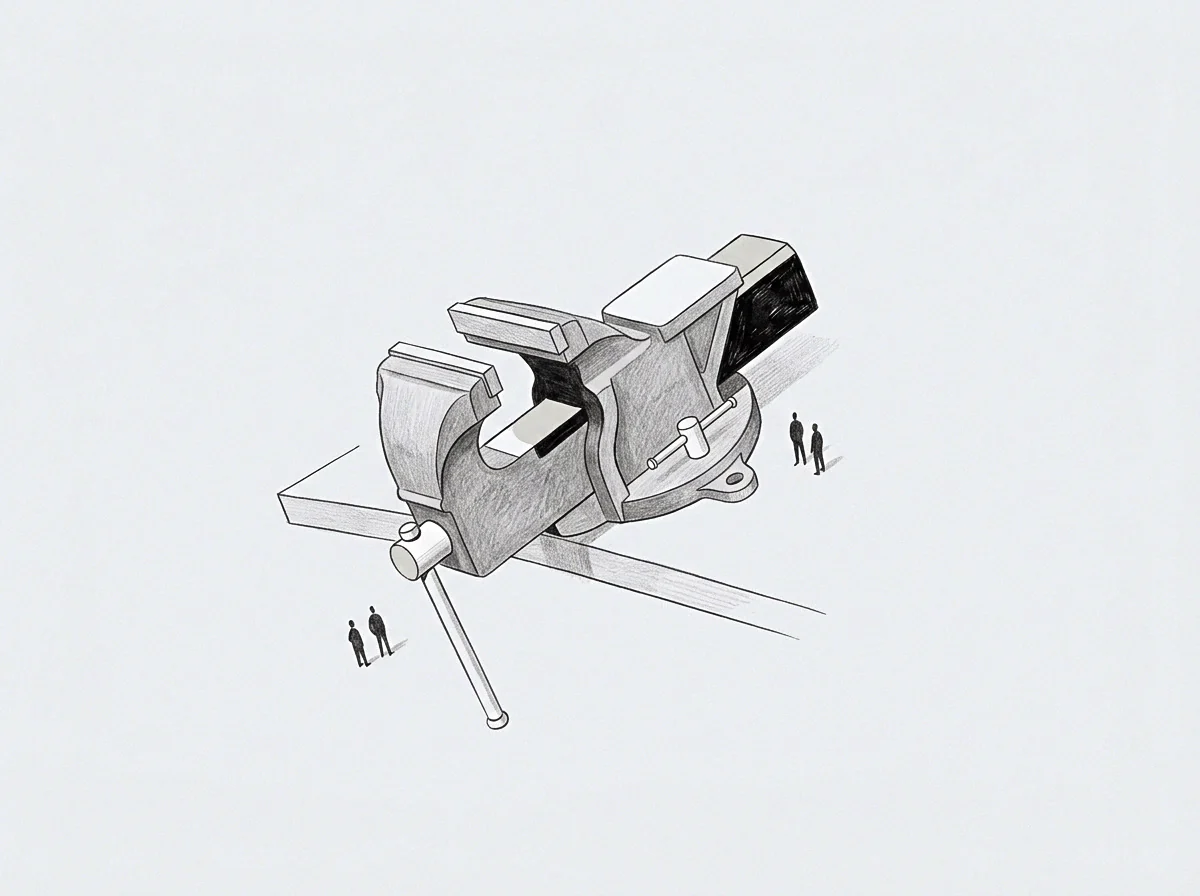
Scheduled interval structure defines the regulated frequency with which operational or financial records undergo formal examination. An audit cadence establishes predictable cycles for evaluation across executive bodies. The oversight scope stops at formal review boundaries, excluding informal daily monitoring or unscheduled emergency checks.
Temporal Pattern
Periodic scheduling creates structured moments where executive actions undergo verification against established operational policies. Under a recurring audit cadence, teams organize documentation in anticipation of fixed review windows to avoid crisis scrambles. Structured cycles reduce surprise inspections while maintaining continuous compliance.
Regular timing prevents governance drift by creating repeated opportunities to identify operational deviations.
Review Frequency
Setting the spacing between formal reviews requires balancing administrative overhead against risk exposure. A tight audit cadence increases verification precision but consumes leadership attention and operational capacity. Expanding the interval between reviews frees operational focus while increasing the latency before non-compliant actions are detected.
Inspection Standard
Verification procedures during scheduled reviews focus on adherence to written charters and financial controls. When an audit cadence is maintained consistently, variance from initial founding agreements becomes visible before compounding into systemic structural failure. Maintaining this regular cycle ensures that oversight remains an expected operational reality without turning into a reactive penalty.