Meaning
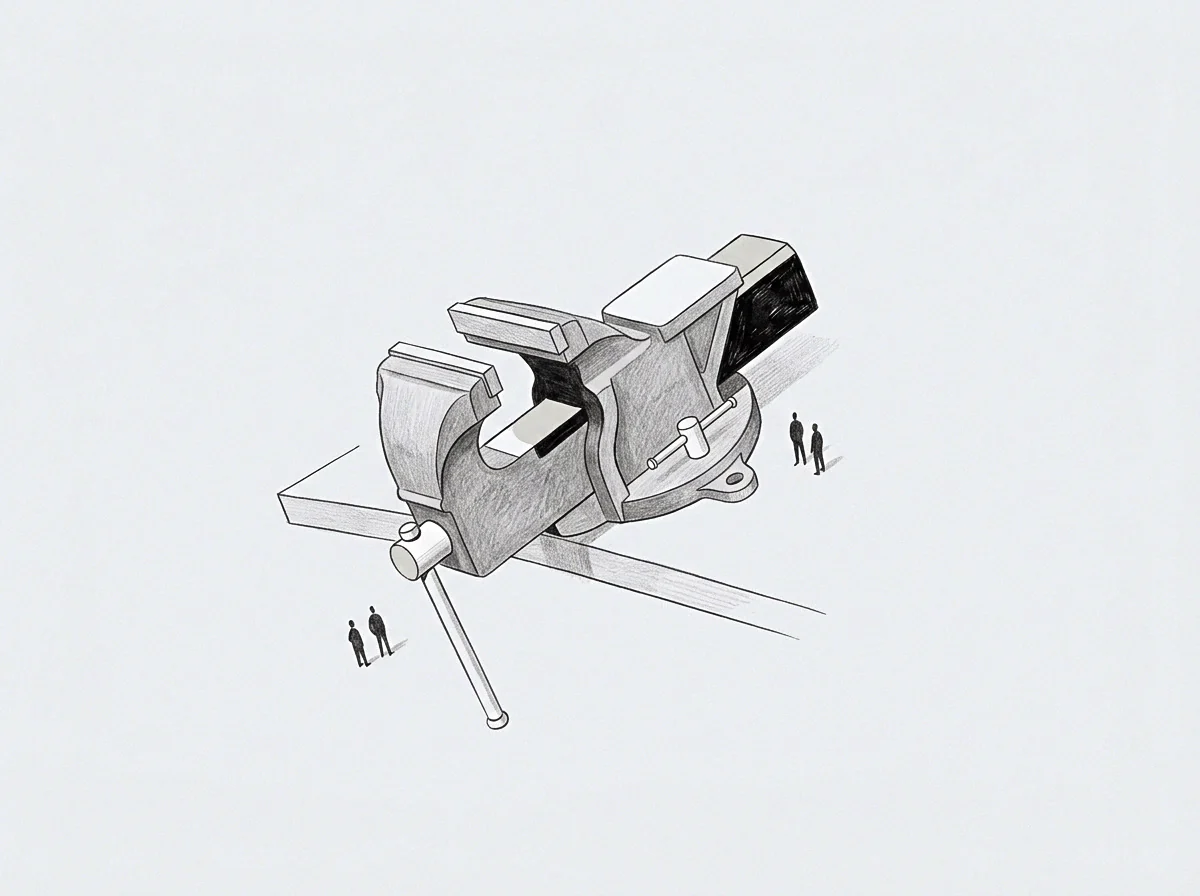
Uncertainty regarding the boundaries of a specific power or duty leads to competition between different actors in a governance system. In a post exit scenario, mandate friction occurs when the departing founder and the incoming chief executive both believe they have the final word on product strategy. The structural tension prevents either party from acting decisively.
It resolves only when a formal document or a board intervention clarifies exactly where the authority of one ends and the other begins.
Authority Overlap
Confusion over who owns a specific result leads to a duplication of effort and a waste of resources. When mandate friction is present, employees often receive conflicting instructions from two different leaders. This environment creates stress and reduces the overall speed of the company.
Decision Impasse
Gridlock in the executive committee happens when no single person has the undisputed right to break a tie. Because mandate friction freezes the decision making process, the organization can miss critical windows of opportunity. The cost of this delay is measured in lost market share and lowered morale.
Role Conflict
Emotional and professional strain on the individuals involved is a secondary but measurable effect of the lack of clarity. Solving mandate friction requires an honest assessment of who is best suited to lead each part of the business. Once the roles are defined, the friction dissipates.