Meaning
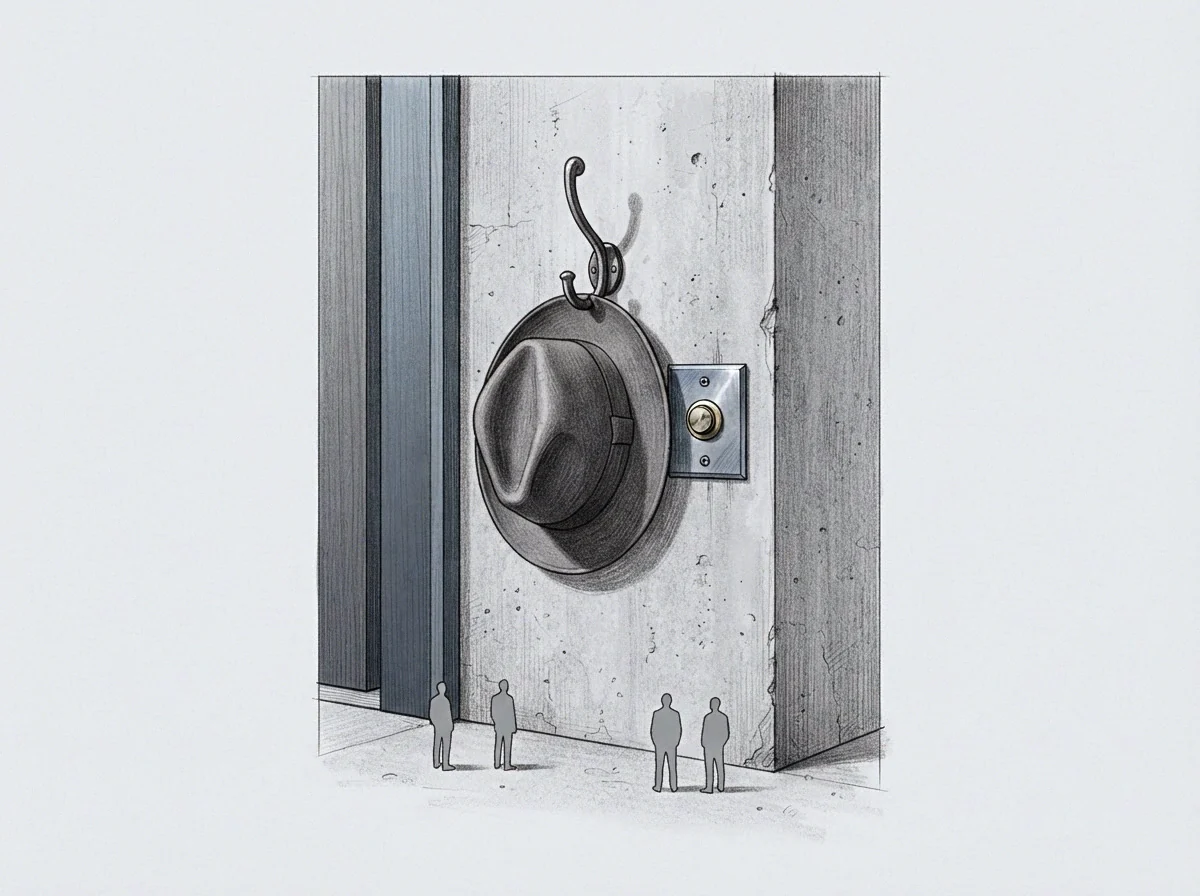
A governance failure occurs when share distribution prevents a voting majority from passing board or shareholder resolutions. A cap table deadlock typically arises when two equal factions hold fifty percent of the voting equity each, or when a major investor uses veto rights to block corporate actions. This state halts standard corporate activity, preventing equity raises or board appointments.
The boundary of this condition lies where existing corporate bylaws or shareholder agreements provide a binding mechanism to break the tie, and the block is then resolved by contract.
Structural Origin
Equal splits of equity during the early stages of a venture or the issuance of protective provisions to minority investors often cause these situations. In early financing rounds, founders often divide equity equally without designating a tie-breaker. Later, when disagreement on exit strategy or funding occurs, both sides hold equal voting power and refuse to yield.
Because neither faction can command the necessary majority, the company cannot execute transactions or appoint officers.
Resolution Protocol
The mechanism for addressing such blocks relies on pre-negotiated shareholder terms or legal intervention. Common remedies include Russian roulette clauses, where one party offers to buy out the other at a set price, or a drag-along right that forces a sale. Some contracts use independent mediation or appoint a neutral board member to cast the deciding vote.
These remedies require forethought during the drafting of the initial shareholder agreement.
Economic Cost
Valuation declines and operational momentum stalls when board freezes persist. Legal fees consume operational capital as both sides litigate the dispute. Employees depart due to uncertainty, and external investors avoid the fractured venture.