Meaning
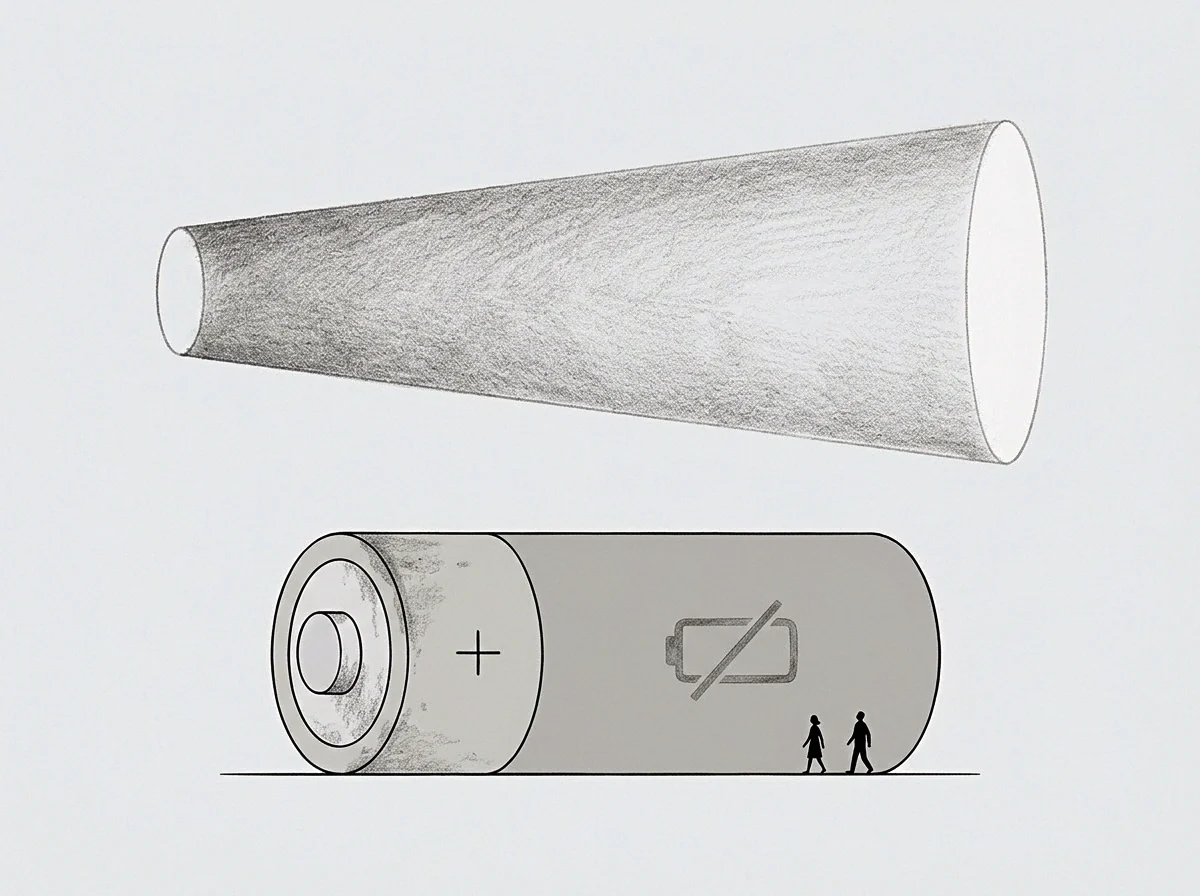
Equity allocation stasis governs the structural inability to issue shares or adjust ownership pools during early operational scaling because founders refuse to dilute existing holdings or cannot agree on future valuation thresholds. Cap table paralysis imposes a friction cost measured in unallocated partner hours and stalled recruitment rounds, stopping when ownership schedules formalize through external mediation or a mandatory financing event.
Dilution Threshold
Ownership preservation doctrines prevent early contributors from releasing reserved shares to incoming specialists. Founders calculate future dilution against historical sacrifice, treating every percentage point shift as a permanent surrender of governance authority. This defensive stance halts recruitment because executive candidates require equity incentives that the frozen ownership schedule refuses to accommodate.
Valuation Friction
Pricing disagreements between internal stakeholders and prospective backers freeze capital acquisition schedules. Stakeholders anchor expectations to past capitalization milestones, rejecting down rounds that reflect current market contraction. Operating capital dwindles while founders debate valuation multiples instead of deploying resources into product development.
Structural Resolution
Ownership rigidity dissolves only when external legal counsel enforces standardized vesting models or forces a recapitalization vote. Resolution requires conceding board control to break internal voting deadlocks that accumulated over successive funding rounds. Cap table paralysis ends when mathematical necessity supersedes personal retention goals.