Meaning
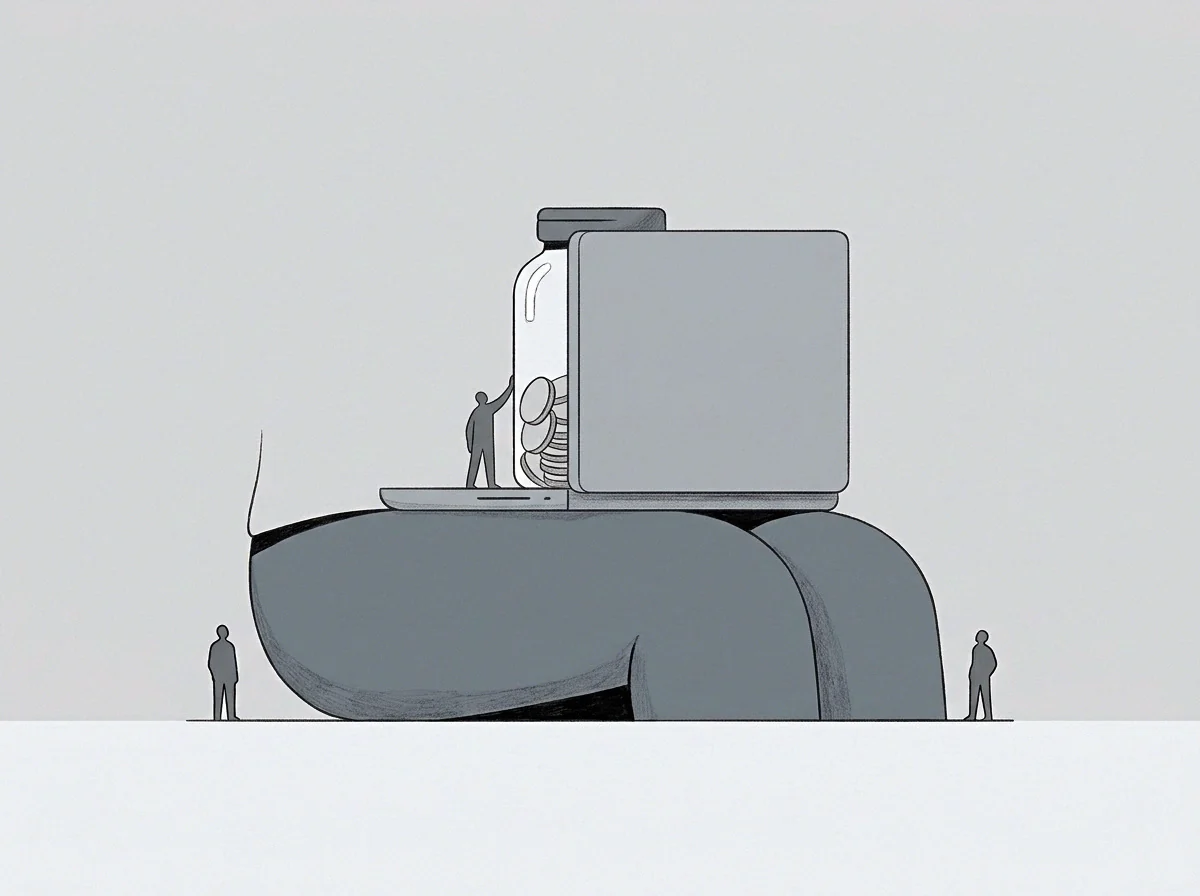
Operational imbalances occur when founders assume tasks beyond their long-term administrative or technical capacity. This capacity debt arises when a founding team postpones hiring or delegation to save capital. It acts as a temporary loan of effort that eventually requires repayment in the form of organizational restructuring or specialized hiring.
The boundaries of this condition are defined by the physical limits of the individual founders.
Resource Deficit
Postponing the addition of specialized staff forces founders to spend hours on tasks outside their primary expertise. Accumulating capacity debt reduces the time available for strategic decision-making and business development. It leads to operational inefficiencies as tasks are performed by non-specialists.
This deficit grows until the founders can no longer manage the daily operations.
Organizational Restructuring
Resolving the accumulation of over-commitment requires the delegation of responsibilities to new hires. Addressing capacity debt involves identifying the specific roles that founders should hand over to managers or external agencies. This process demands a shift from execution to supervision, which requires a change in the founder’s daily routine.
It helps the company transition from a founder-led startup to a manager-led organization. To accomplish this, the leadership team must document existing processes, establish performance metrics, and hire qualified professionals to take over the day-to-day operations. This investment in human resources allows the business to sustain its operations independently.
Professional Transition
Stepping away from daily operational tasks requires founders to focus on long-term strategy and board governance. This transition costs them direct control over some processes but frees up valuable attention for growth. Relieving capacity debt ensures that the organization can scale without depending on the constant intervention of its founders.
It marks the shift from personal execution to institutional governance.