Meaning
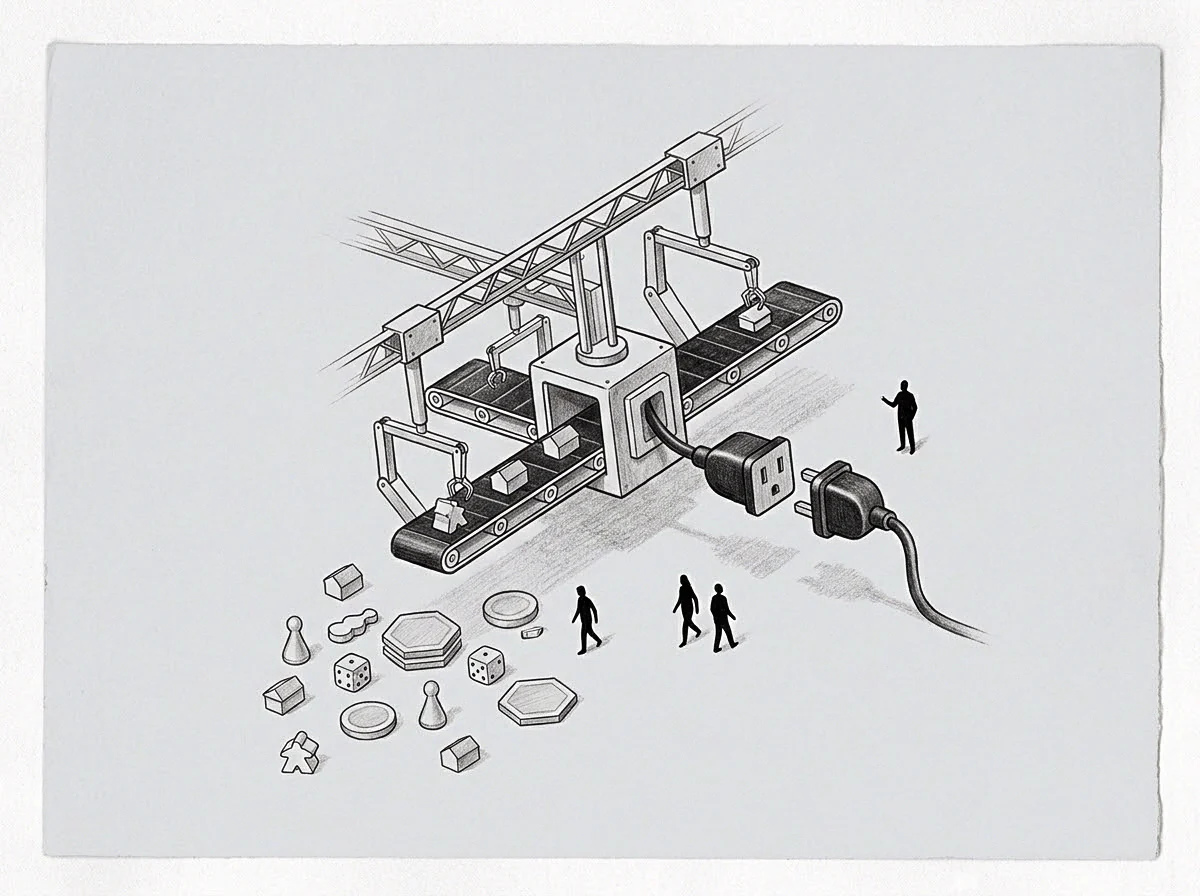
Reallocations of equity value among equity holders occurring through non-pro-rata issuances, forfeitures, or recapitalizations constitute an involuntary or negotiated realignment of ownership claims. A capital shift transfers economic worth from one party to another without an equivalent cash transaction or direct asset exchange. The mechanism operates whenever ownership percentages or liquidation entitlements alter disproportionately, changing the underlying claims on future distributions.
The boundary of the concept ends where adjustments reflect proportional cash investments or formal market-clearing transfers between willing participants.
Transferred Entitlement
Equity structures often experience reallocation when founding participants separate prior to full vesting or when recapitalization dilutes specific tiers of common stock. A capital shift in this operational context moves residual liquidation claims toward retained founders or incoming capital providers. Active participants yield economic capacity and future gains to shore up enterprise solvency or provide equity incentives for replacement talent.
Such movements frequently operate without immediate cash tax liabilities, yet they alter long-term economic returns across equity tranches.
Valuation Friction
Complex capitalization tables with multiple liquidation preferences create analytical ambiguity over when value actually moves between classes. An unintended capital shift happens when senior preference hurdles exceed enterprise value, leaving common stock devoid of current economic value despite substantial nominal ownership percentages. Modeling this divergence requires option pricing models or distribution waterfalls that determine actual economic yield rather than static percentage stakes.
The friction peaks when junior holders provide continuous operational hours while senior preference holders absorb the enterprise value created by those hours. Stated terms in preferred stock purchase agreements formally dictate this economic transfer, separating legal title from realizable value.
Distribution Boundary
Economic rights establish the outer boundary where ownership percentage ceases to track actual enterprise proceeds. When a restructuring imposes a definitive capital shift, participants surrender future upside while maintaining active service obligations. Such realignment defines who retains claim to eventual liquidity events, leaving junior participants reliant on future equity pools to recover baseline economic value.