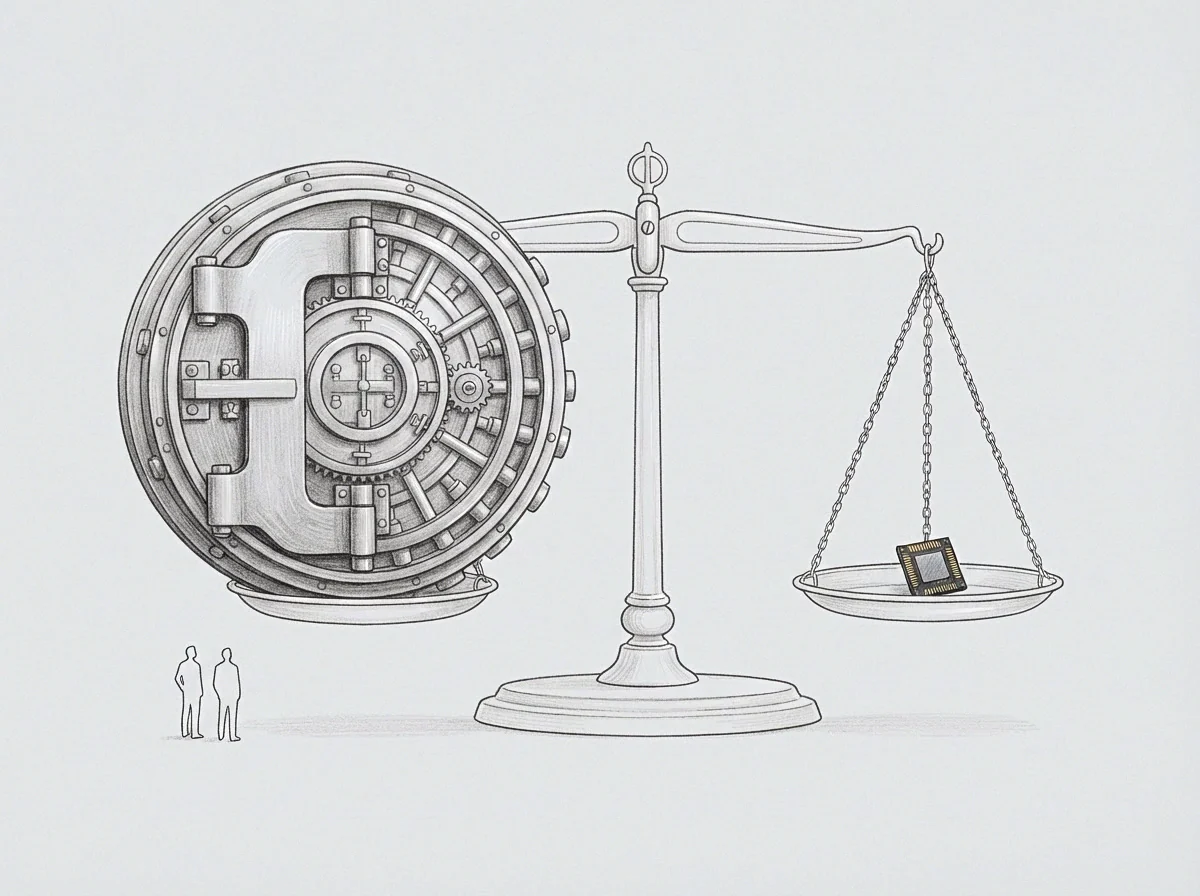
Meaning
Strategic reconfiguration of a company’s ownership structure involves the fundamental modification of the relationship between equity holders and debt providers. A capitalization overhaul happens when the existing table of interests no longer supports the future funding or operational needs of the business. This process typically removes older, stagnant layers of the capital stack to make room for new investment.
It stops applying once the new distribution of rights and obligations is legally finalized.
Control Distribution
Modification of the concentration of voting power often follows the modification of the share structure. The capitalization overhaul allows the firm to consolidate control among a smaller group of active participants. This shift reduces the friction caused by dissenting minority holders who no longer contribute to the growth of the entity.
Concentrated power facilitates faster decision making in competitive markets.
Financial Resilience
Strengthening the balance sheet through the conversion of debt to equity or the issuance of new classes of shares improves the long term viability of the venture. A capitalization overhaul provides the liquidity needed to survive periods of low revenue or high capital expenditure. By lowering interest burdens or extending maturity dates, the company gains the breathing room required for innovation.
New investors often demand these changes as a condition for their participation.
Operational Transition
Integration of new financial terms affects how the management team prioritizes cash use and growth targets. The capitalization overhaul forces a move away from short term survival toward long term value creation. Managers must align their daily activities with the expectations of the updated shareholder base.
A successful transition ensures the firm remains attractive to future partners.