Meaning
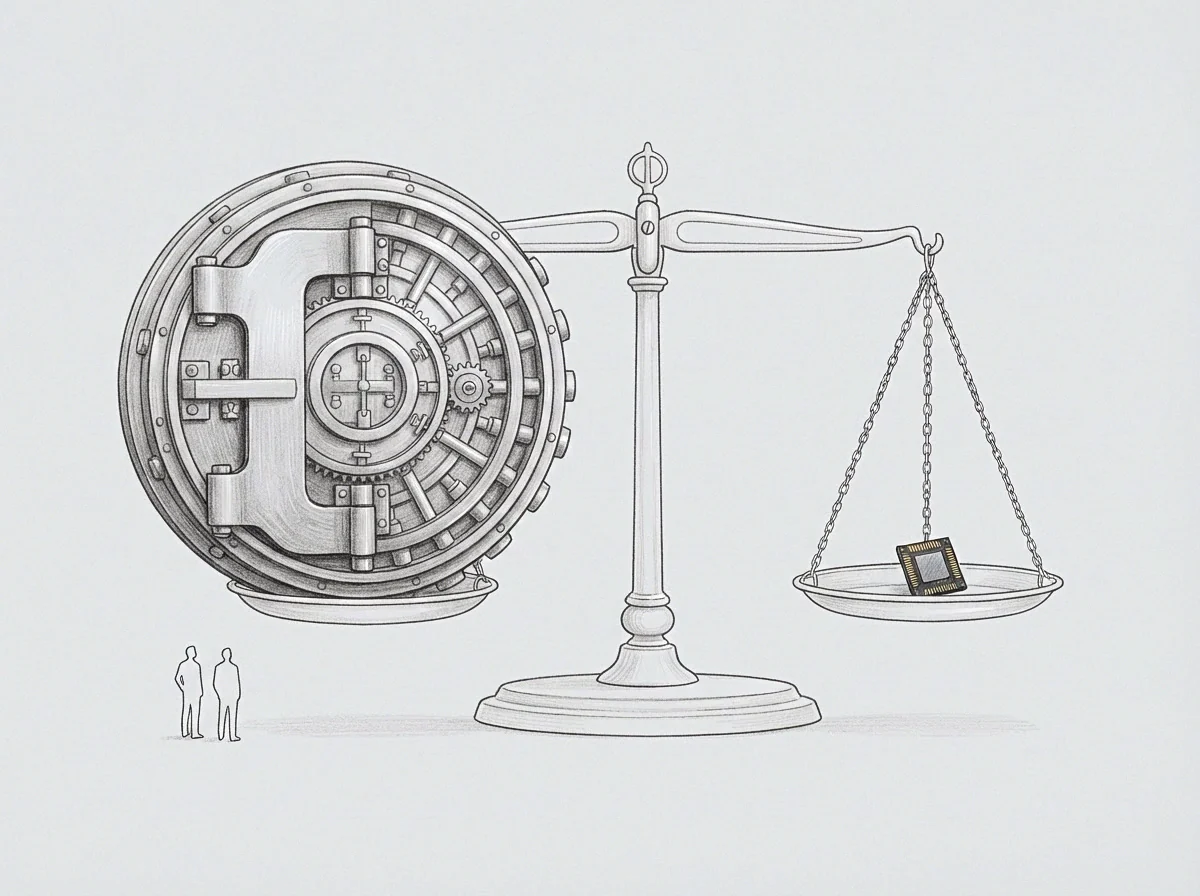
Leadership composition changes occur when an individual with a significant initial stake and management role exits the enterprise. A co-founder departure marks the end of the original partnership and the transition to a more formalized management structure. This event requires the resolution of outstanding equity claims and the redistribution of operational duties.
It applies to any situation where a founding partner leaves the day to day operations of the company they helped start.
Leadership Absence
Absence of a central figure creates immediate pressure on the remaining team to absorb high level responsibilities. The co-founder departure often leaves a hole in the technical or strategic direction of the firm. Remaining leaders must act quickly to prevent a loss of momentum or a decline in employee confidence.
Clear communication regarding the exit helps stabilize the organizational culture.
Equity Redistribution
Reclaiming or transferring the shares held by the exiting party involves complex negotiations regarding the current value and future potential of the business. The co-founder departure triggers buyback clauses or vesting schedules that determine how much ownership the individual retains. Investors typically watch these transactions closely to ensure the company remains well capitalized.
Fair terms prevent long term legal disputes that could drain corporate resources.
Documentation Protocol
Recording of processes and the transfer of external relationships ensure the business continues to function without the original partner. A co-founder departure succeeds only when the institutional knowledge is shared among the remaining staff. Organizations that plan for these transitions maintain their market position more effectively than those caught by surprise.
Success depends on the preparation of a successor.