Meaning
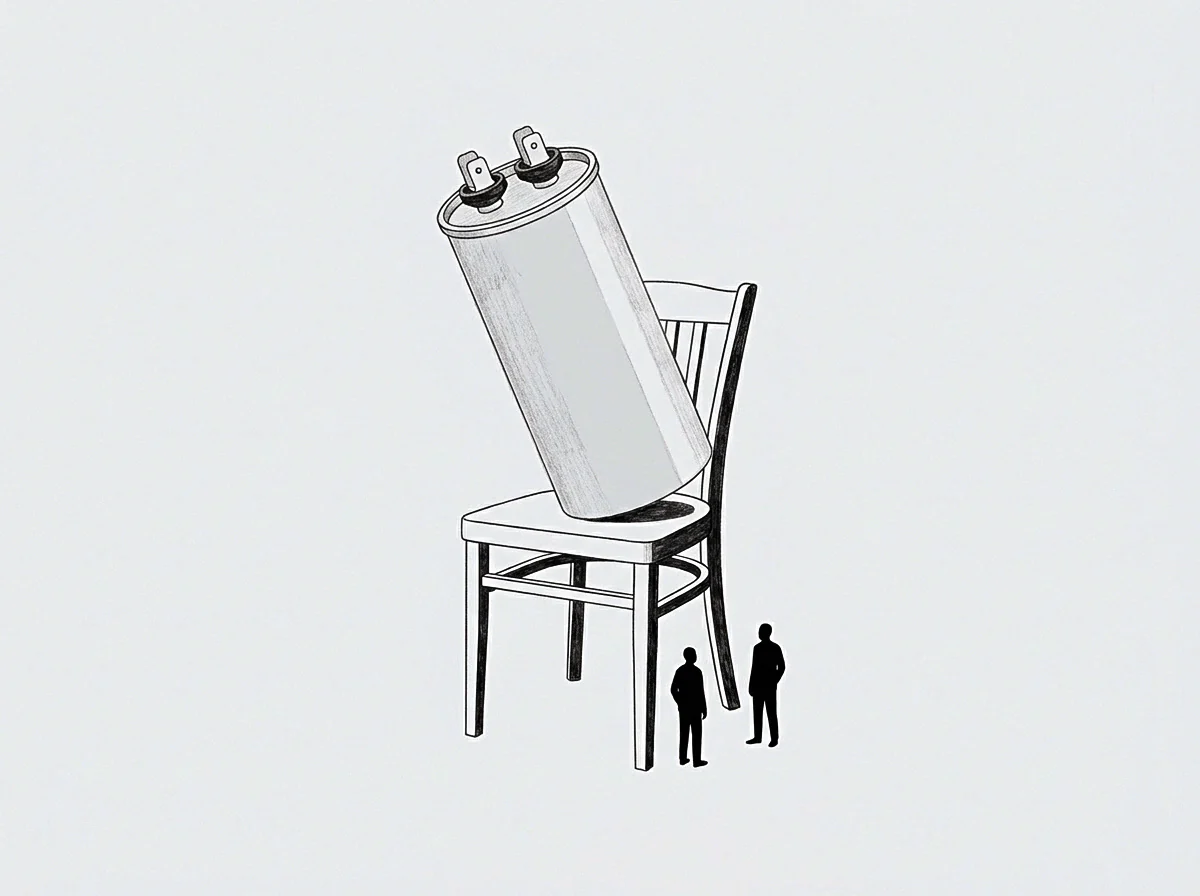
Gradual loss of specificity and intent as an instruction moves through the layers of a hierarchy. While a founder may issue a sharp order, command decay ensures that the person executing the task receives a softened or distorted version of that message. This phenomenon happens because each layer of management adds its own interpretation or filters out elements it deems too difficult.
Information Loss
Accuracy drops as the number of intermediaries between the source and the actor increases. During command decay, the original nuance of a strategic pivot is replaced by the more comfortable habits of the middle tier. A directive to cut spending on travel might arrive at the front line as a general suggestion to be careful with receipts.
The result is a workforce that believes it is following orders while actually deviating from the founder’s vision.
Structural Friction
Resisting the loss of signal requires a high degree of energy from the top. Leaders who ignore command decay find themselves frustrated by the lack of progress on critical initiatives. They often blame the staff for incompetence when the fault lies in the transmission system of the firm.
Regular direct check-ins or flattened reporting structures can mitigate the fading of intent.
Organizational Inertia
Legacy habits often swallow new instructions before they can take root. Because command decay operates as a silent force, it creates a false sense of compliance. The organization continues its previous trajectory despite the new steering inputs.