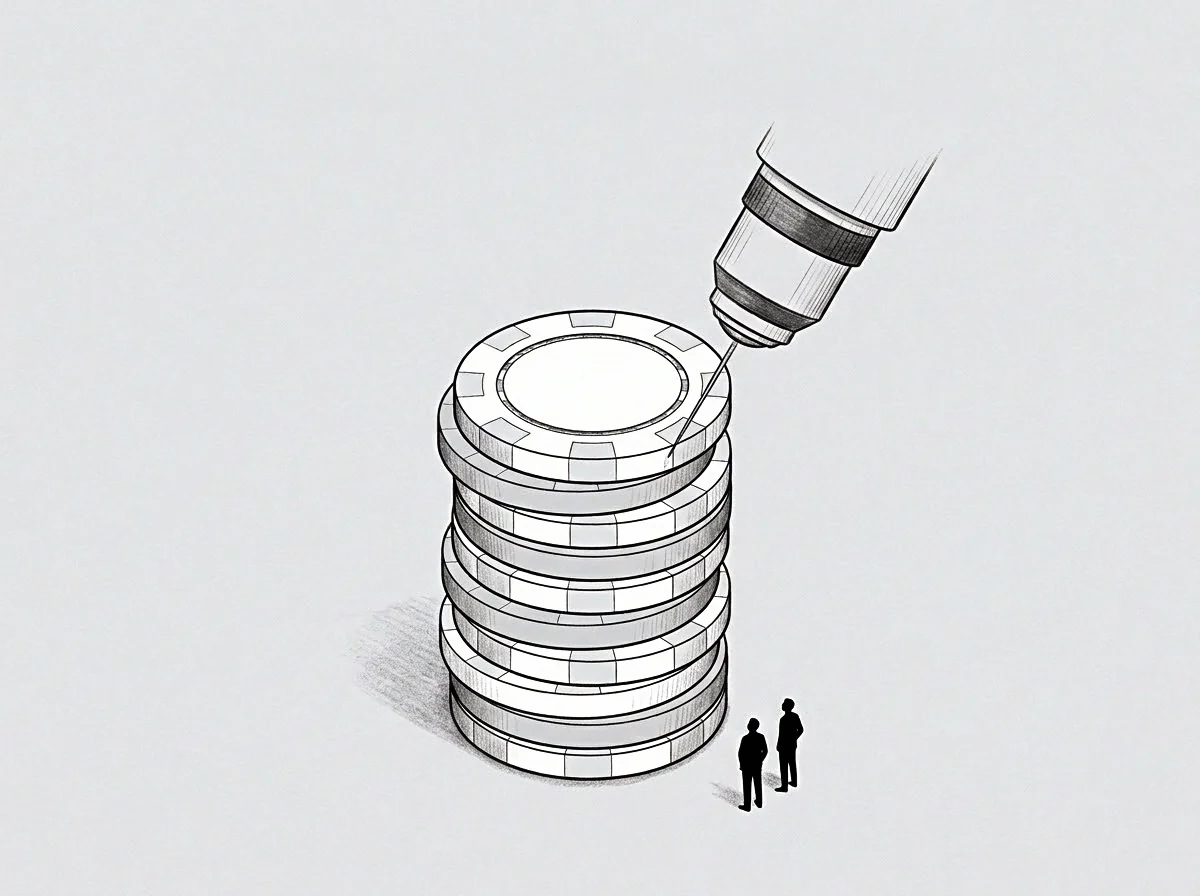
Meaning
Market entry strategies that focus on the deployment of capital or resources to create a fertile environment for future revenue generation characterize the initial phase of development. Commercial priming involves spending on education, infrastructure, or community building before a revenue model is fully active. This process reduces friction for future sales by making the target audience familiar with the solution.
It sits between research and active sales in the development cycle.
Market Preparation
Creating an ecosystem where the product can function effectively requires early stage coordination with partners. The priming process might include releasing open source tools or participating in industry standards bodies. These actions build the necessary environment for the commercial offering.
A successful strategy ensures that the market is ready to adopt the technology as soon as it launches. This preparation reduces the time needed to reach profitability.
Resource Requirement
Deployment of these activities demands substantial attention and capital from the founding team. Founders often spend months building relationships and credibility without any immediate financial return. This effort is a cost of entry into complex or crowded markets.
The priming phase ends when the first commercial contract is signed.
Feedback Loop
Early engagement with potential users provides data that refines the final product. Insights gained during commercial priming allow the team to adjust features to meet actual market needs. This adjustment reduces the risk of launching a product that fails to solve a real problem.
The venture uses this period to validate its assumptions before a wide release.