Meaning
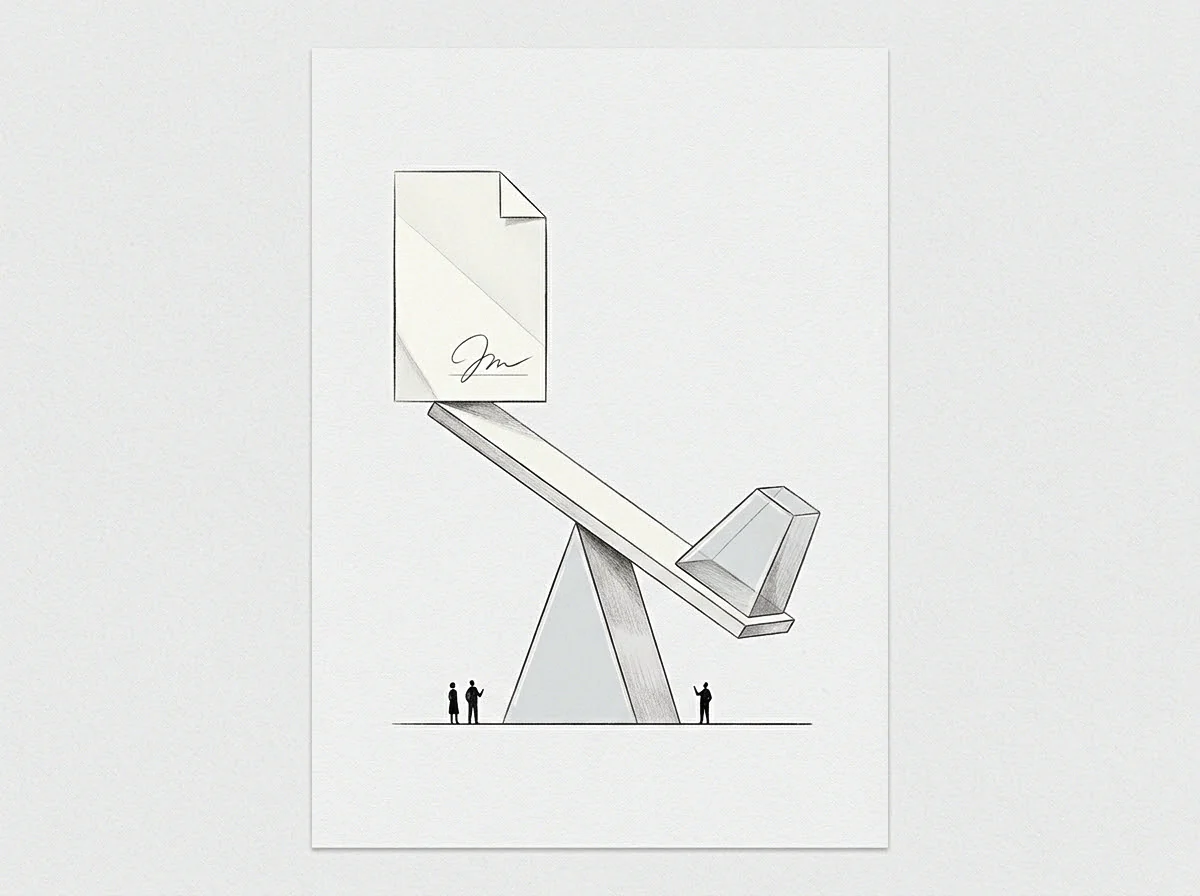
Organizational phenomena involve the gradual erosion of adherence to established standards and protocols over time. Known as compliance decay, this process occurs when the gap between formal rules and actual practice widens without active intervention. It measures the rate at which a team stops following safety, financial, tax or regulatory procedures that were previously standard.
The observation ends when a new baseline of behavior is formally adopted or an external audit forces a reset.
Entropy Rate
Internal systems naturally lose order as the initial pressure of implementation fades. This compliance decay accelerates when leadership stops monitoring the specific outcomes associated with the rules. Workers prioritize immediate efficiency over the long term protection offered by the original directive.
Minor deviations become the new standard for the next generation of staff.
Performance Risk
Failure to maintain standards leads to increased liability and potential operational failure. While compliance decay might offer temporary speed gains, it creates hidden costs in the form of regulatory fines and lost trust from institutional partners. These costs often materialize during external inspections or when a system failure reveals the lack of documentation.
The risk remains unquantified until the variance from the rule causes a measurable loss.
Remediation Cost
Recovering from a state of neglect requires more attention and capacity than maintaining the original standard. This compliance decay forces the organization to invest in intensive retraining and system audits to restore the expected level of performance. Managers must identify the specific points where the drift occurred and rebuild the habits of the workforce through repeated verification.
Consistent monitoring prevents the need for these expensive and disruptive recovery efforts. The erosion of standards is an avoidable expense in a well-managed firm.