Meaning
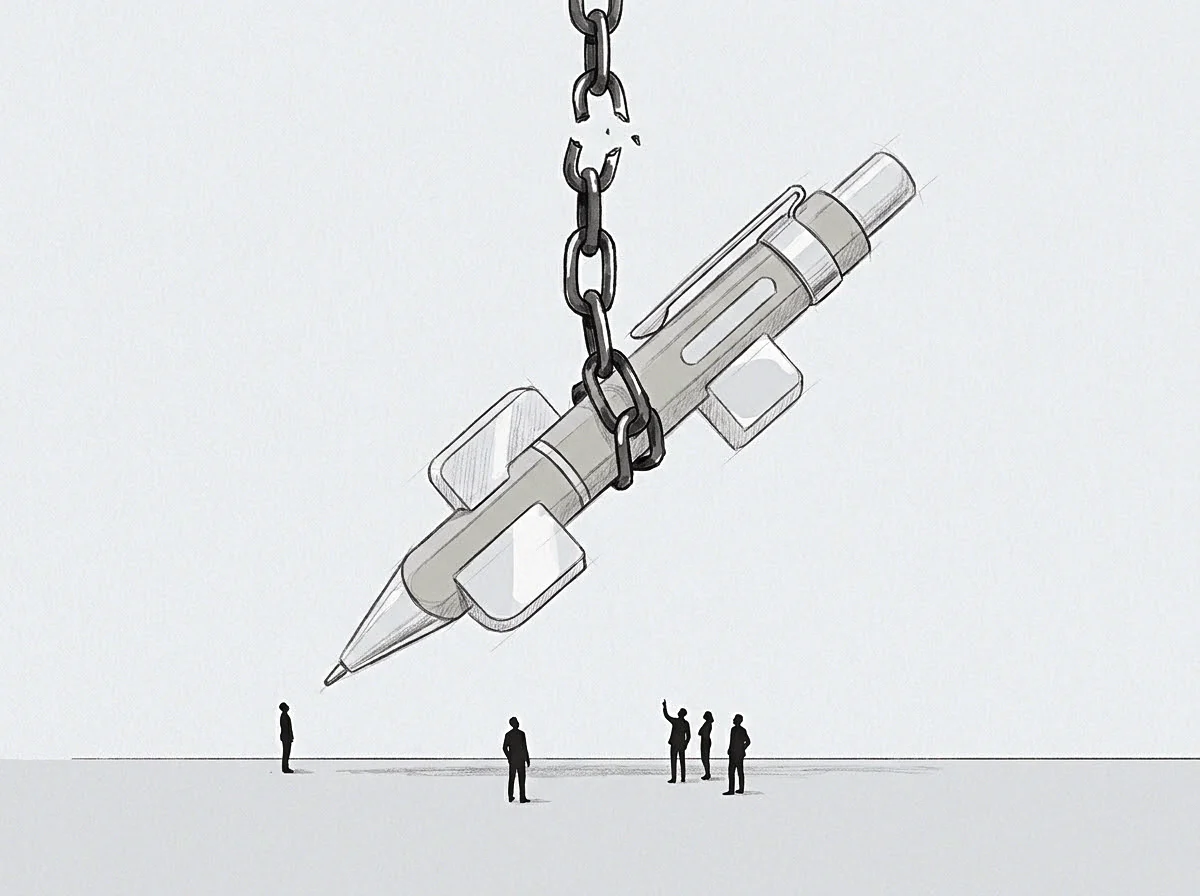
User experience obstacles occur when design choices or technical requirements impede a visitor from completing a desired action on a digital platform. These hurdles, collectively known as conversion friction, reduce the efficiency of sign-ups, purchases, or downloads. They often stem from complex forms, slow page load times, or unnecessary registration steps that demand excessive effort from the user.
By analyzing where users abandon the process, designers can identify and eliminate these barriers. This optimization increases the overall effectiveness of the user flow and helps the business achieve its registration targets without increasing marketing expenses.
Behavioral Cost
Cognitive load increases when users are forced to make decisions or enter repetitive information during a checkout process. When conversion friction is high, the action requires more attention and time than the user is willing to invest. This mismatch often leads to abandoned shopping carts and empty registration forms.
It represents a direct loss of customer interest.
Technical Factor
System performance issues like network delays or unoptimized scripts can also create barriers for the visitor. Even a minor delay in page rendering acts as a noticeable form of conversion friction that drives users away. These technical bottlenecks must be measured and corrected to ensure a smooth interaction.
It requires close collaboration between engineering and design.
Measurement Tool
Analytical systems track where users disengage to pinpoint specific issues in the user experience. By measuring drop-off rates at each step, teams can diagnose conversion friction and implement focused design changes. These adjustments can be tested through controlled experiments to verify that the changes actually improve user retention.
It provides a scientific basis for product iterations.