Meaning
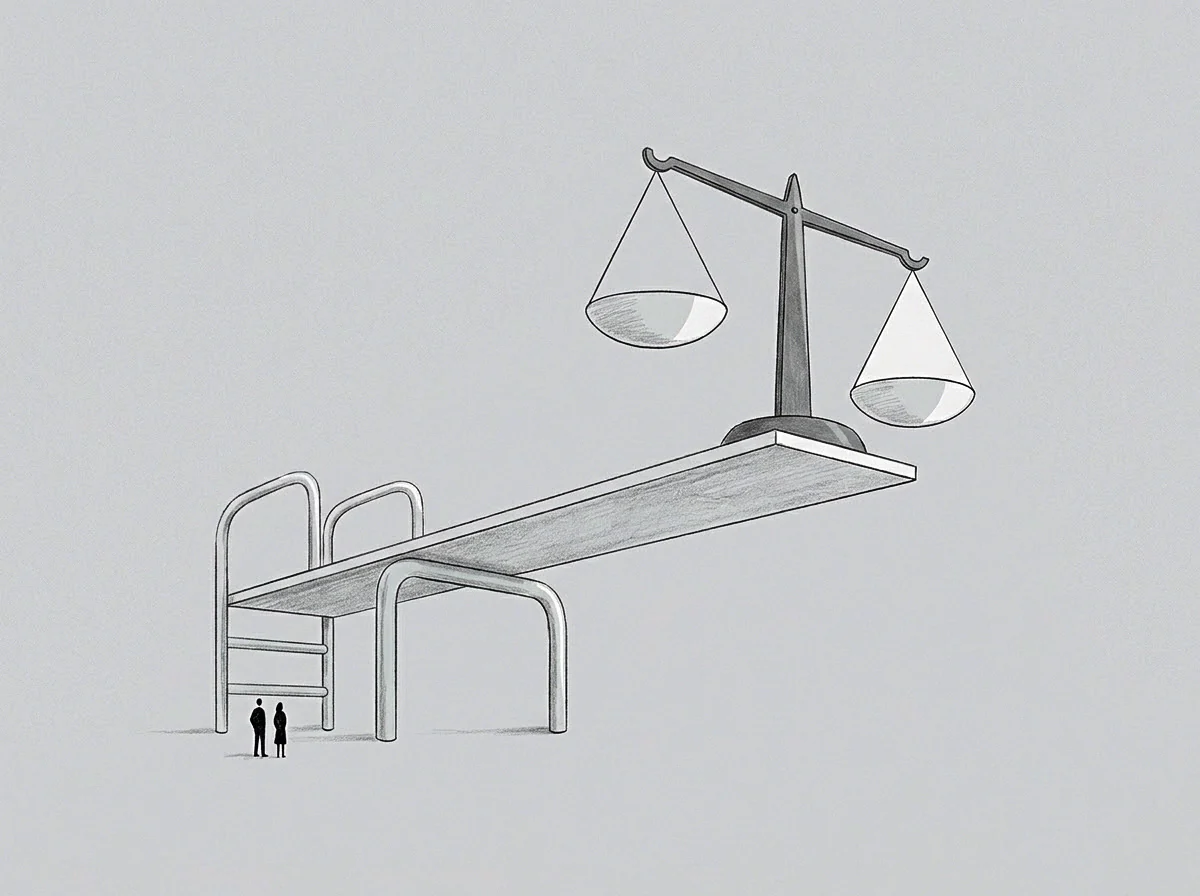
Securities held by former employees or founders who no longer provide services to the issuing entity represent a challenge for capitalization. The presence of dead equity reduces the pool of stock available for current and future contributors. Investors view a large amount of inactive ownership as a risk to the health of the venture.
Inactive Stake
Shares held by people who left the company early do not provide any ongoing incentive for growth. This inactive stake sits on the cap table without contributing to the current development or management of the business.
Dilution Pressure
Significant amounts of stock in the hands of former team members force current founders to take a larger hit during new funding rounds. When a startup needs to issue shares to new hires, the existing dead equity makes it harder to maintain a reasonable ownership percentage for the active team. This pressure can lead to situations where the people doing the work have very little stake in the outcome.
Strategic Friction
Future investors may require a cleanup of the ownership structure before they commit any capital. Dead equity is often resolved through share repurchases or by negotiating with the former holders to return some of their stock.