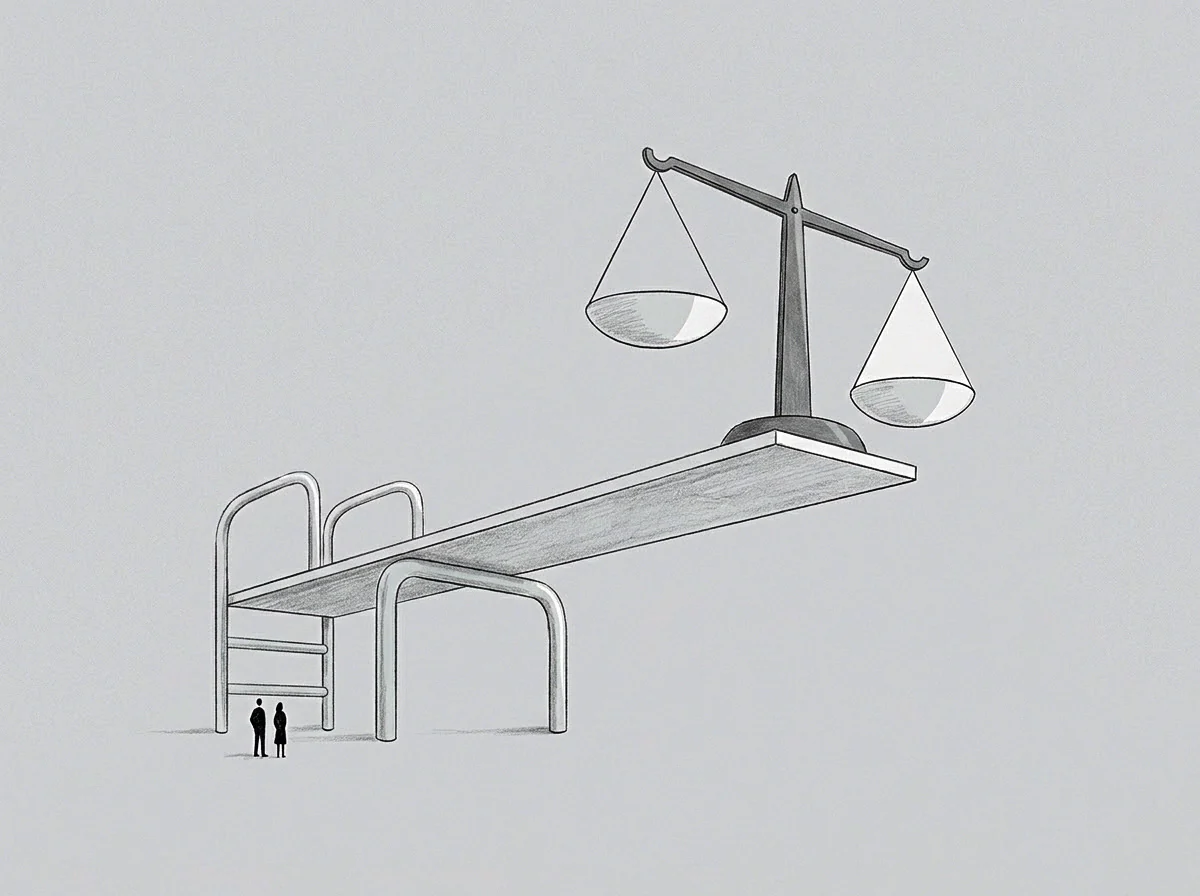
Meaning
Corporate actions taken without proper authorization or in violation of governing bylaws create legal voids in the history of a firm. These defective corporate acts include unauthorized share issuances or board appointments that lack a quorum. Such failures often occur during rapid growth when administrative rigor falls behind operational speed.
The definition covers any act that the company had the power to perform but failed to execute according to legal requirements.
Procedural Flaw
Errors in the execution of governance duties lead to the creation of void or voidable instruments. A common instance involves issuing equity without a formal board resolution. This breakdown in the chain of authority compromises the validity of subsequent actions that rely on the flawed act.
The cost to the firm appears as uncertainty in the ownership structure.
Validation Pathway
Remedying these flaws requires a formal process of ratification or statutory intervention to restore legal standing. Under specific laws, the board and shareholders must vote to approve the original act as if it had been done correctly. This retrospective validation fixes the defect without restarting the entire corporate history.
It requires precise documentation of the original error and the corrective vote.
Legal Integrity
Buyers view uncorrected flaws as liabilities that prevent the closing of a deal.