Meaning
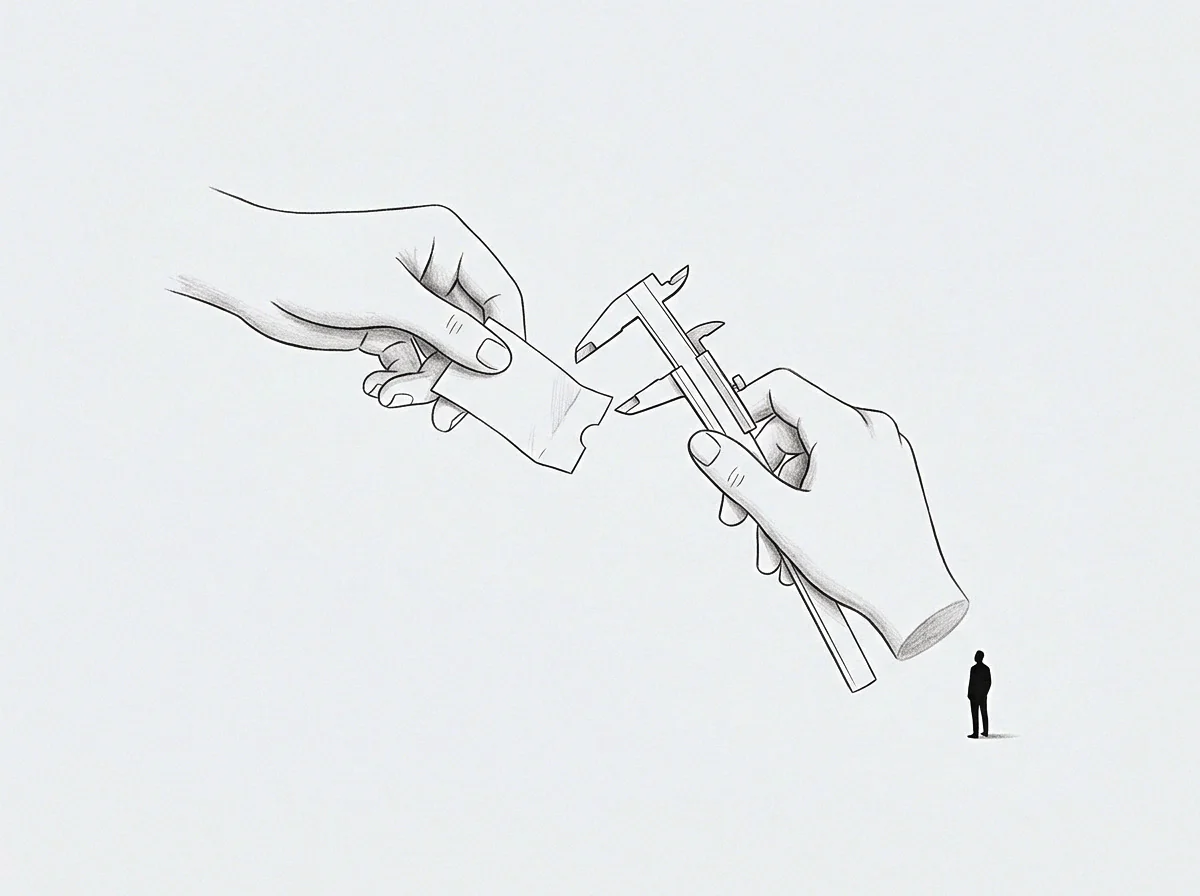
Organizational breakdown occurring when assigned authority returns unexpectedly to former leadership describes a governance collapse. Under these conditions, delegation failure occurs because incoming managers fail to absorb duties or departing founders refuse to relinquish control. The condition ends when board intervention reassigns roles.
Responsibility Drift
Transition protocols between departing founders and incoming executives depend on precise functional handoffs and explicit performance standards. Without structural accountability, delegation failure creates ambiguity over who holds decision authority for capital expenditure and staff retention. The resulting confusion leads to duplicate instruction and delayed project delivery.
Former founders often re-enter daily management under the belief that operational standard drops without their direct presence.
Capacity Exhaustion
Personal capacity drops when former leadership reassumes unmanaged operational duties while attempting to fulfill advisory or board roles. During sustained delegation failure, founders spend uncompensated hours resolving minor functional disputes that fell within the purview of hired management. The expenditure of energy and attention limits the founder’s ability to focus on strategic direction or external stakeholder relations.
Operational overlap depletes management efficiency and inflates administrative expense. The financial cost appears through redundant salary allocations paid to non-performing executives.
Governance Correction
Contractual remedies resolve structural operational gaps by defining clear authority boundaries and reporting schedules. Formal board reviews mitigate delegation failure through explicit job descriptions and objective milestones tied to operational compliance. When corrective measures succeed, operational responsibility remains with designated managers without informal founder interventions.
Governance mechanisms establish the permanent boundary between strategic advisory work and daily execution.