Meaning
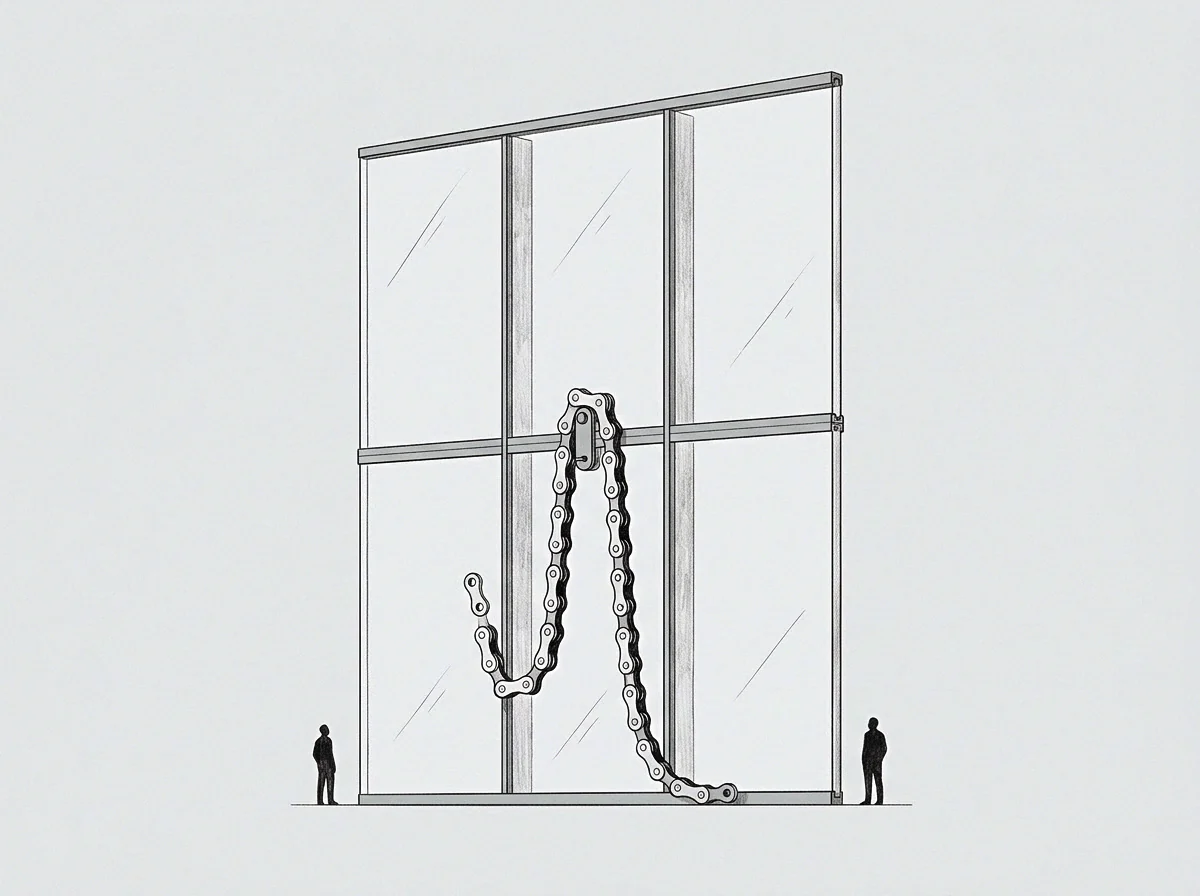
The progressive decline in the execution of legacy operational protocols occurs after a leadership transition. This phenomenon of directive decay represents the natural erosion of a founder’s past instructions as new executives establish their own priorities.
Operational Drift
The initial period after a transition often reveals how much an organization relied on informal authority. When directive decay begins, established routines and strategic priorities that were once driven by the founder start to dissolve. This happens because the implicit pressure to conform to the original vision fades away.
The management team begins to interpret policies through their own professional lenses.
Transition Speed
The rate of strategic adjustment depends on how quickly the new leadership establishes its mandate. Rapid directive decay can cause temporary disruption as employees adjust to conflicting signals about long-term goals. If this process is managed poorly, it can lead to high staff turnover and loss of historical knowledge.
A gradual phase-out of the old protocols is usually more stable.
Institutional Evolution
Corporate maturity requires that the organization outgrow its founder’s personal influence. Although directive decay might appear as a loss of control, it is a necessary step for the scale of the company. It allows the business to adapt to new market challenges that the founder might not have anticipated.
The company emerges with more formal systems that do not depend on a single personality.