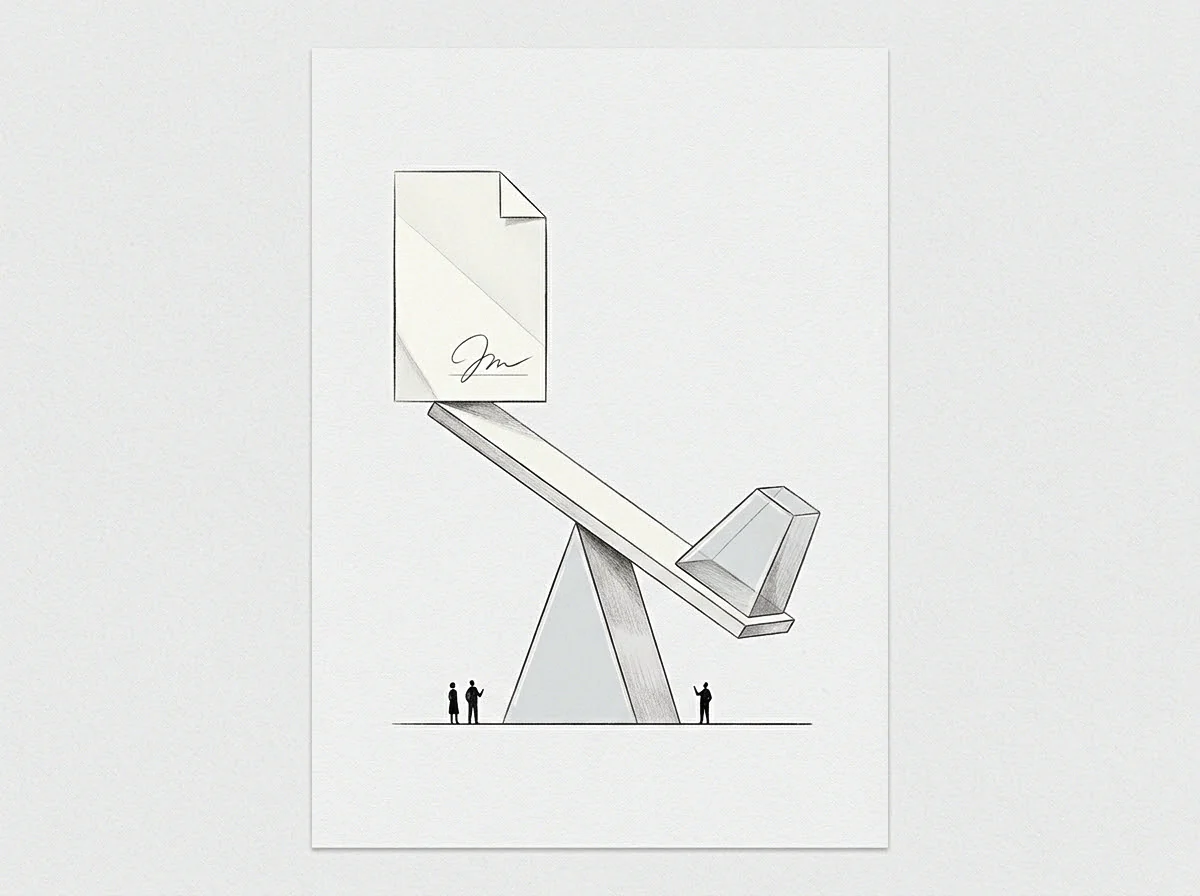
Meaning
Corporate reorganization that divides a single company into two distinct legal entities allows diverging founders to pursue separate strategic goals. An enterprise split occurs when the leadership cannot agree on a single direction for the technology and the business. This separation allows each new entity to raise capital independently and target its own customer base.
It requires a clear dividing line between the intellectual property assigned to each firm.
Asset Division
Distributing patents and physical assets represents the most challenging phase of the separation. In an enterprise split, engineers and researchers must be allocated to the entity that matches their expertise. This allocation prevents ongoing intellectual property disputes and ensures both companies can operate immediately.
It minimizes disruption to ongoing product development.
Operational Autonomy
Operating independently allows each founder to build their own corporate culture. After an enterprise split, each new board can make decisions without consulting the other party.
Investor Realignment
Shareholder interests must be protected during any major corporate transition. An enterprise split requires existing investors to receive proportional equity in both of the new entities. This distribution ensures that early backers do not lose value due to the division.
It maintains investor trust and positions both companies for future funding rounds.