Meaning
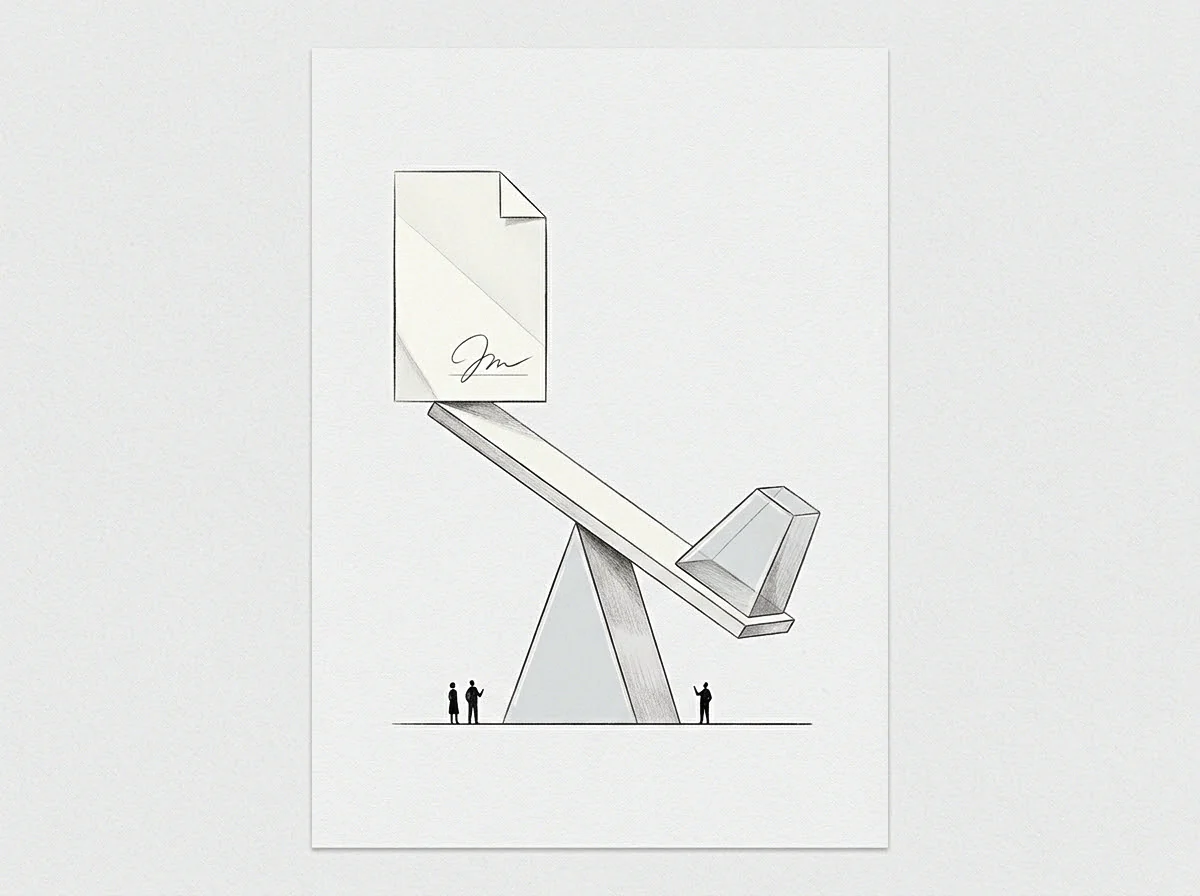
Persistent feelings of ethical obligation and emotional investment that a creator holds toward their former venture often continue long after their official resignation. This moral residual can appear as an ongoing interest in the welfare of early-stage employees or the ethical use of the original technology. While these concerns are natural, they hold no legal weight under the corporate bylaws.
The phenomenon fades as the organization establishes its own independent culture.
Psychological Attachment
Founders frequently view their company as an extension of their personal identity. This deep connection generates a moral residual that makes it difficult for them to disengage from corporate news. They may experience anxiety when the new leadership chooses to pivot the product or restructure the team.
Managing this attachment requires active effort to focus on new professional activities.
Operational Hazard
Unofficial intervention in company affairs can disrupt the established chain of command. When a founder acts on their moral residual by advising current staff behind the back of the chief executive, they create confusion and divide loyalties. This interference can slow down execution and damage employee morale.
It requires the board to set strict communication rules for the departed founder.
Professional Boundary
Establishing clear limits is necessary to protect the autonomy of the current management. Acknowledging the presence of a moral residual helps both parties design a structured transition period that ensures a clean break.