Meaning
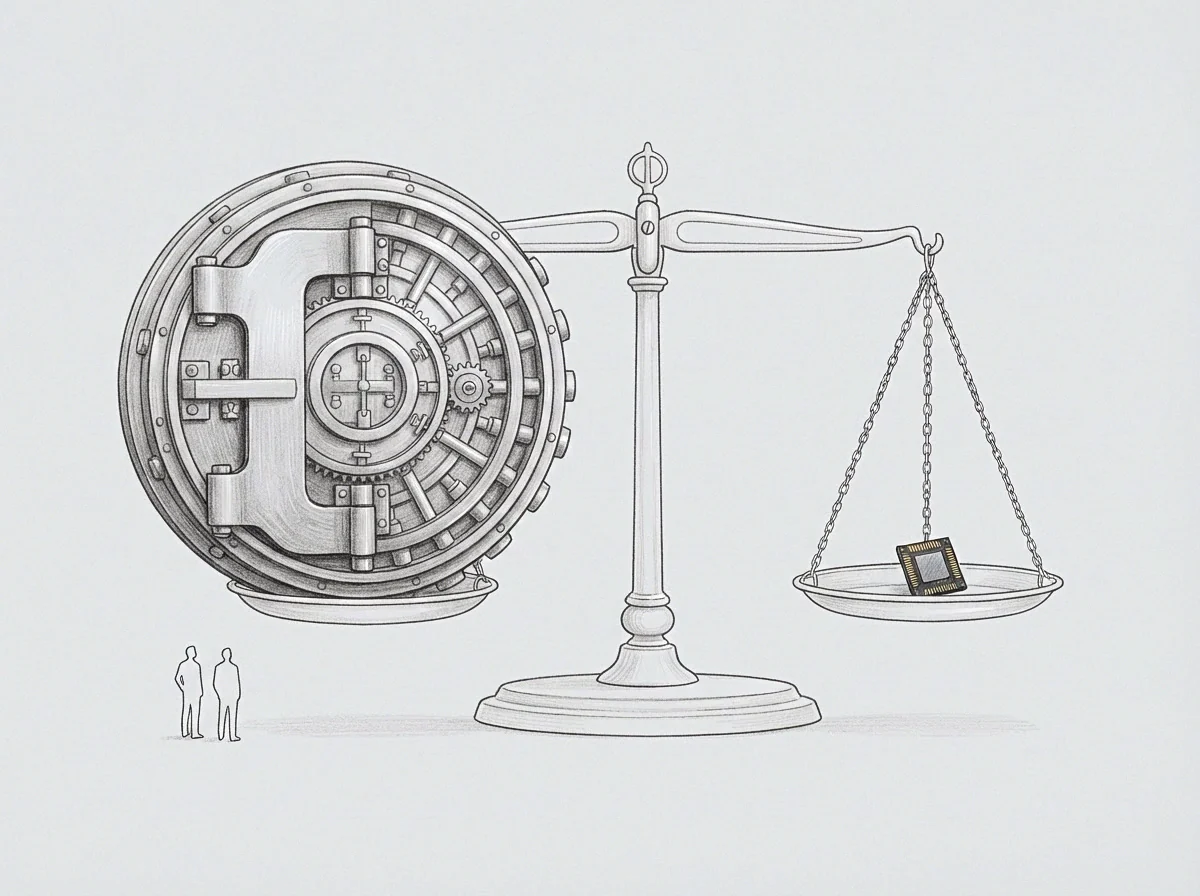
Adjustments to the proportional components of a firm’s capital base modify how ownership rights and financial obligations are distributed among stakeholders. An equity recapitalization often involves issuing new shares to pay down debt or to buy out existing investors. This process changes the risk profile of the company by altering the ratio of equity to liabilities.
It is used when the current structure prevents the company from reaching its financial objectives.
Structural Balance
Achievement of a more sustainable mix of funding sources allows the business to withstand market volatility. The equity recapitalization provides a clean slate for the company to pursue aggressive growth. By reducing the amount of cash required for debt service, the firm can reinvest more of its profits into research and development.
This shift in focus is often preferred by late stage investors who require clear paths to exit.
Investor Alignment
Matching the expectations of the current shareholders with the needs of the business is the primary goal of the transition. An equity recapitalization ensures that those who hold the most risk also hold the most control. This alignment prevents the conflicts of interest that arise when debt holders and equity holders have different priorities.
Clear terms attract more sophisticated capital.
Corporate Solvency
Preservation of the company as a going concern often depends on the ability to restructure these underlying interests. The equity recapitalization prevents a bankruptcy by giving the company more time to meet its obligations. It protects the jobs and the technology developed by the founders.
Strong financial engineering is the foundation of corporate longevity.