Meaning
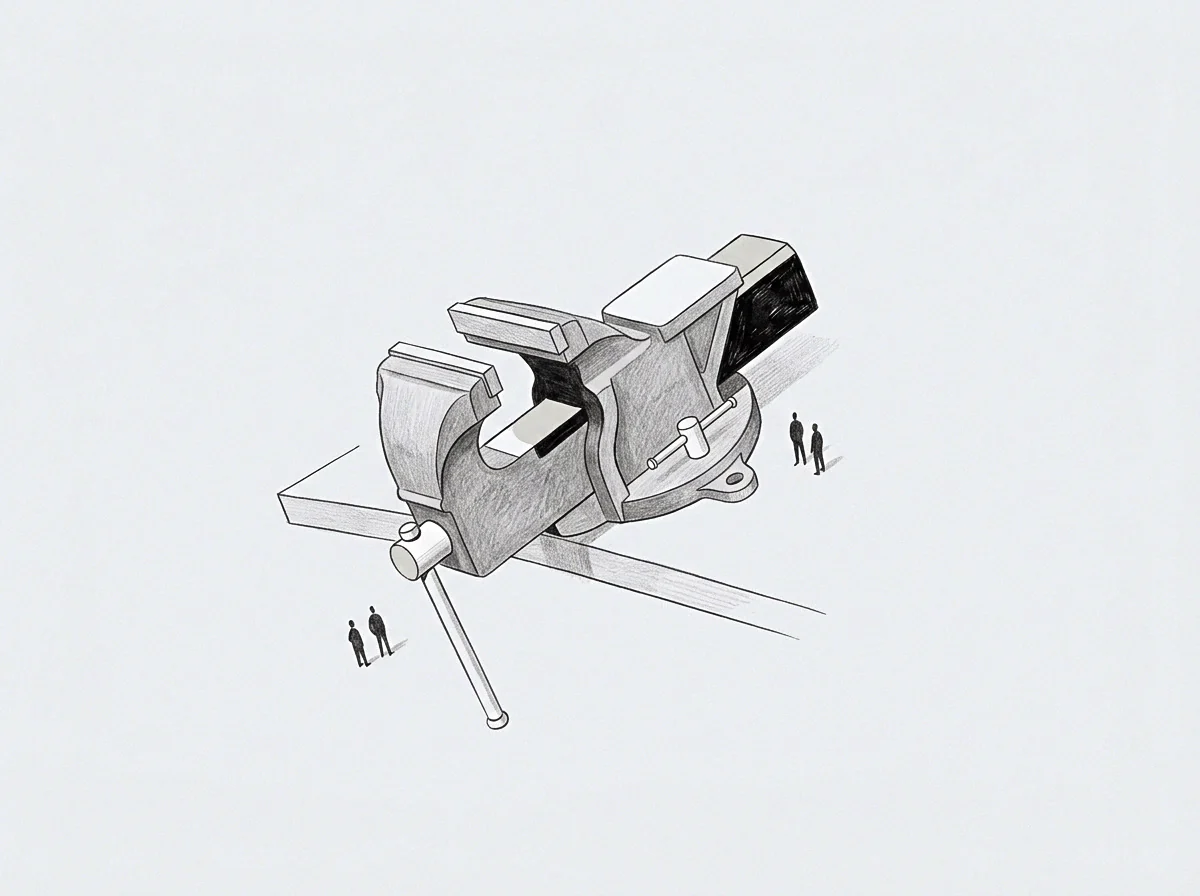
Operational breakdown occurs when the stated strategy of a firm is not translated into finished work or market results. An execution failure signifies a gap between the intent of the leadership and the actual output of the organization. This disconnection often stems from misaligned incentives or a lack of clear procedures within the team.
Process Collapse
Structural weaknesses in the chain of command lead to delays and errors. When an execution failure happens, it usually reveals that the steps required to complete a task were not clearly defined. Staff members may operate without the necessary tools or information, resulting in a product that does not meet the design specifications.
This breakdown creates a cycle of rework that further slows the pace of the firm.
Resource Depletion
Waste of capital and attention follows when projects are started but never finished. Every instance of execution failure consumes hours that could have been spent on profitable activities. The receiver of the work, such as a customer or a partner, loses trust when promises are not kept.
These costs accumulate until the company lacks the capacity to attempt new initiatives. Recovery requires a total audit of how tasks are assigned and tracked. This audit often uncovers that the original goals were too ambitious for the available headcount.
Frequent breakdowns in the delivery of internal reports or external products signal a deeper issue with the organizational culture.
Corrective Limit
Recovery efforts find their boundary at the point where the market moves past the original opportunity. Once an execution failure has delayed a product launch beyond a certain window, the competitive advantage is lost. No amount of process improvement can recover the time spent on a failed attempt.
The firm must then decide whether to abandon the goal or pivot to a new strategy that accounts for the lost time.