Meaning
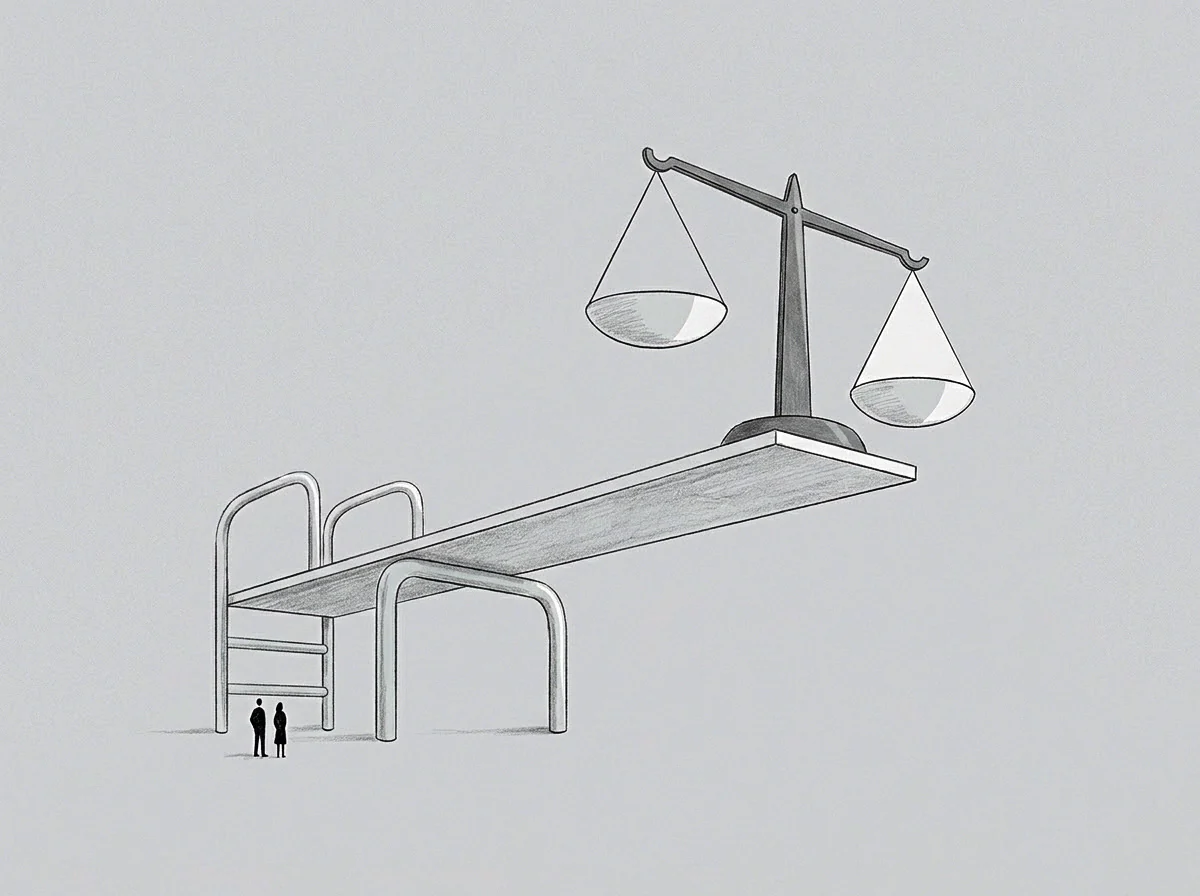
Structured systems of rules, organizational roles, accountability processes, and performance standards established to direct and control an organization ensure accountability and protect stakeholder interests. Transitioning to formal governance usually occurs when a startup takes on external funding and must establish a board of directors to oversee executive decisions. This transition shifts power from the founders to a broader group of representatives.
Institutional Oversight
A board of directors brings structure to the company’s long-term planning. By holding regular meetings and requiring approval for major expenditures, it prevents individual founders from making unilateral moves that could jeopardize the business.
Fiduciary Duty
Board members owe a duty of loyalty to all shareholders. This obligation means they must act in the best interest of the corporation, which sometimes requires them to oppose the founders’ personal wishes.
Growth Transition
Adopting formal governance marks a critical stage in the evolution of a company. As the organization grows, informal agreements and handshakes no longer suffice to manage risk and allocate resources. Clear policies regarding equity issuance, hiring, and financial audits protect the firm from internal conflicts and prepare it for public markets or acquisition.
This structured approach builds trust with institutional investors who require rigorous oversight before committing substantial capital to the venture.